by Justyna M.

“Too many people go to too many prisons for far too long for no good law enforcement reason.” – U.S. Attorney General Eric Holder
“This fall, Colorado voters have the chance to support two crucial initiatives that aim to reduce the state’s high crime rate. I strongly endorse Proposition 128, the “Truth in Sentencing” initiative, and Proposition 130, the “Back The Blue” initiative. With over 40 years in public service at the federal, state, and local levels—including as Colorado’s attorney general and mayor of Colorado Springs—I’ve seen firsthand the impact that a well-trained, well-supported police force can have on a community. One of the most effective ways to ensure public safety is to keep violent offenders behind bars. Unfortunately, Colorado has moved away from this principle. Despite appropriate sentencing by prosecutors, violent offenders serve only 46% of their sentences on average. This not only endangers communities but also re-traumatizes victims and their families when offenders are released too early.
Proposition 128 aims to change that. It mandates that those convicted of violent crimes serve at least 85% of their sentence, and those convicted of a third violent felony will serve 100%. This is a straightforward measure that will have a long-lasting, positive impact on public safety.
The second measure, Proposition 130, supports our law enforcement professionals. As mayor, one of my top priorities was to increase the police presence in neighborhoods because a visible police force is one of the best deterrents to crime. Colorado, however, is facing a law enforcement funding imbalance. A recent study by former Denver Police Chief Paul Pazen showed that while overall spending has increased, the share allocated to hiring officers has declined. As a result, Colorado has fewer officers per capita, contributing to rising crime rates. Proposition 130 will allocate $350 million in existing state funds—without raising taxes—to law enforcement for salaries, training, and essential equipment. It also includes a $1 million death benefit for families of officers killed in the line of duty, providing some financial security in times of tragedy.” Lack of credibility John Suthers, Gazette.
Some of you might recognize the name tied to Propositions 128 and 130. He’s also a former Attorney General and served two terms as the mayor of Colorado Springs. At some point, you’d think a person like that might want to slow down and enjoy life, but not John Suthers. Yes, that’s the name. He’s the one backing these propositions, and what’s concerning is how little real information is available about him if you dig deeper. It seems like he’s been pretty protective of his past, but everyone’s got skeletons in their closet, and I wouldn’t be surprised if his come out, especially with his associations with certain figures, like a former deputy sheriff people call “Dirty Billy,” who’s semi-retired. Proposition 128 originates from Colorado Springs, which is ironic considering the city’s own issues—rising crime rates, costly homicides, shootings, immigration struggles—yet suddenly, he’s pushing to reshape Colorado’s sentencing laws. John, maybe it’s time to stay in your lane. Based on the comments I’ve come across, many consider you the worst mayor Colorado Springs has had, and voters likely picked you just because they recognized your name on the ballot. And let’s not forget the controversies surrounding your time as Attorney General. You’re clearly still chasing a political career, and I’m sure it’s personal for you, but the truth always comes out. Then there’s the former Denver deputy chief, a guy who couldn’t handle the city’s issues, standing beside you now. Are you both trying to revive your careers? It’s unfortunate, but looking at this, it seems the apple doesn’t fall far from the tree.
The proposition also includes a $1 million death benefit for families of officers killed in the line of duty, providing some financial support during a tragic time. But what about our firefighters? They’re out there fighting fires, helping overdose victims, responding to car accidents, and they’re also dying in the line of duty. What about our paramedics? I have to disagree with Proposition 130. The Police Department and law enforcement have lost the respect and integrity they once had within the community, and now they’re asking for more money? There’s always GoFundMe for that, and it’s telling that a former Denver police chief who failed in his role is stepping up to push this proposition. To me, that’s ridiculous. When you become a police officer, you know the risks—ask any officer from 20 or 30 years ago. There’s always been a possibility you might not come home. But no one forces you to take that job. If you don’t want to be on the streets, you don’t have to. Maybe instead of asking for more money, we should focus on weeding out the bad cops from the good ones. That would help create a safer and healthier environment for both the police and the community. Money alone won’t fix anything. Taxpayers should not be responsible for paying for someone else’s death. I’m absolutely against Proposition 130.
Maybe these two— the former attorney general and failed mayor of Colorado Springs, along with the former Denver Police chief, who also couldn’t succeed—should focus on cleaning up their own backyard before pushing propositions like 128 and 130. You’re so intent on keeping people locked up for violent crimes, but have you taken a hard look at the people in your own ranks? The ones who are supposed to protect us? Maybe I should draft Proposition 131, which would expose the failures in law enforcement, because clearly, you both seem incompetent when it comes to politics and legislation.
Take this for example: police officers are being accused of rape at an alarming rate, with at least one officer accused every week. Investigations by the Bureau of Investigative Journalism (TBIJ) and Channel 5 reveal that in the last five years, over 300 officers were reported for rape, and 500 for sexual assault. Yet, only 10 have been convicted, and shockingly, 350 are still working on the force. “Holly,” a police officer who was raped by a colleague, said it’s impossible to believe that all 350 officers are innocent. Her attacker remained on the force for years, while she and other victims were dismissed, labeled as having “mental health issues” or accused of “attention-seeking.” Over 250 officers have been reported multiple times for sexual offenses, some with more than five complaints. Yet, police forces fail to investigate their own officers properly. TBIJ has been tracking police-perpetrated domestic abuse (PPDA) for years, highlighting how the system consistently lets down victims.
The murder of Sarah Everard by a serving police officer showed just how devastating these failures can be. Despite this, meaningful reform has been slow. Another case saw Met officer David Carrick sentenced to 30 years for rape and sexual offenses against 12 women, despite years of complaints against him. TBIJ’s research also found that more than 75% of the 375 officers and staff reported for domestic abuse in the last two years are still employed by the police. A supercomplaint led to a joint report acknowledging systemic failures in handling these cases, but real change is still lacking. Holly believes that while some progress is being made, there’s still a long way to go in addressing the misogyny and institutional sexism within law enforcement. Maybe, instead of focusing on locking up more people, those backing Propositions 128 and 130 should focus on cleaning up their own mess.
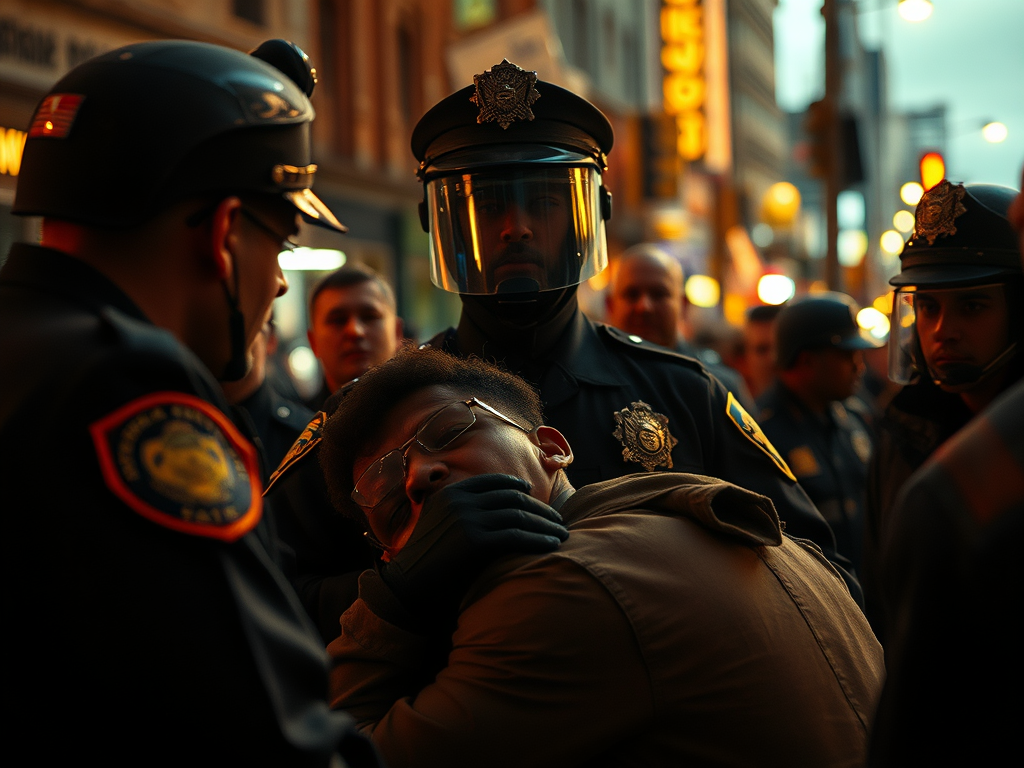
As Proposition 128 looms on the horizon, much of the public discourse has centered on its direct impact on incarceration, parole eligibility, and public safety. However, one crucial aspect has been largely overlooked—the potential strain it will place on Colorado’s already burdened court system. The unintended consequences of this proposition will likely create longer case processing times, increased costs, and a heavier workload for both prosecutors and defense attorneys, making an already complex system even more dysfunctional.
In the past, when sentencing laws became more stringent, one of the most immediate effects was a decrease in the number of individuals willing to accept plea deals. Knowing that a guilty plea would likely lead to long sentences with minimal opportunity for early release, defendants are more inclined to take their chances in a trial, seeking to reduce their potential incarceration time by any means necessary.
“Plea bargaining has become the primary way to resolve criminal cases in the United States, with nearly 98% of convictions nationwide currently coming from guilty pleas. But plea bargaining as currently practiced is often unjust, unfair and lacks transparency, according to a new report released today by the Plea Bargain Task Force, a group convened by the Criminal Justice Section of the American Bar Association.
“Trials have become rare legal artifacts in most U.S. jurisdictions, and even nonexistent in others,” the ABA Plea Bargain Task Force wrote in a report”.
But most stark in the report is research that cites innocent defendants who agree to falsely plead guilty, sometimes on the advice of their own lawyers. An Innocence Project database of exonerations includes dozens of people who falsely pleaded guilty.
“This isn’t just having an effect on those individuals,” said Dervan, who co-chaired the task force. “It’s having an effect on the entire community and the safety of the entire community.”
This is precisely what Proposition 128 is likely to trigger. By mandating that individuals convicted of certain violent crimes serve at least 85% of their sentence before being eligible for parole, the incentive to accept a plea deal diminishes significantly. People will naturally choose to fight their charges in court, hoping for a reduced conviction that would avoid the harsh new guidelines. This means more trials, more court resources, and more delays in an already backlogged system.
Trials are expensive and time-consuming, often requiring months of preparation and days or weeks in court. When defendants refuse plea deals, the burden falls squarely on the court system to handle the increased number of trials. Colorado courts are already stretched thin, and adding more cases will lead to longer wait times for hearings, additional staffing needs, and increased operational costs.
Proposition 128, currently being debated in Colorado, will have wide-reaching consequences for many people within the justice system, but none more so than those sentenced under indeterminate sentences, particularly for sexual offenses. Once again, the system is taking aim at individuals who are already continuously scrutinized and marginalized under the existing laws. The proposed changes to parole eligibility only serve to compound the challenges faced by this group. Indeterminate sentencing, which affects those convicted of sexual offenses, already places offenders in a position where they are subjected to indefinite incarceration, with the potential for release dependent on a variety of subjective factors. With Proposition 128, the barriers to parole eligibility become even more rigid. The most notable change is the requirement for offenders to serve 85% of their sentence before even becoming eligible for parole, compared to the current 75% under existing laws. This might sound like a small percentage, but the cumulative effect on those serving indeterminate sentences is significant. For individuals convicted of sexual offenses, the additional time required in prison may stretch out their sentences indefinitely, essentially denying them a chance at rehabilitation or reintegration into society. Beyond the time spent in prison, individuals convicted of sexual offenses are also required to participate in the Sex Offender Treatment and Monitoring Program (SOTMP). While labeled as “treatment,” many who have been through the program describe it as nothing more than a system designed to reinforce guilt. The program forces individuals to repeatedly admit to their offenses, even in cases where the conviction resulted from a plea deal to avoid a trial that could have ended in harsher sentencing. In essence, the program becomes an ongoing punishment—a form of institutional shaming.
Sex offense cases are notoriously difficult to defend, with an inherent stigma attached that often results in an assumption of guilt. This stigma extends to the courtroom, where defendants are frequently pressured into plea deals, not because they are guilty, but because they know the odds of being exonerated are slim. Once the deal is made, the person must then endure the indignity of the SOTMP, where they are required to “admit” their guilt over and over again, even if their plea deal was a tactical move rather than an admission of responsibility. Proposition 128 exacerbates this injustice. It reinforces the shaming cycle by lengthening the time individuals must spend in prison, extending their involvement in programs like SOTMP, and denying them opportunities for parole and reintegration. Rather than focusing on rehabilitation, the system is designed to punish, stigmatize, and isolate individuals long after they have served their time.
Isn’t it true that, to some extent, every crime is a serious offense? If someone commits a crime, they’re going to face consequences and possibly be sentenced to prison. So isn’t it absurd to argue that one crime is less significant than another? After all, a crime is still a crime.
This bottleneck can have ripple effects, slowing the entire judicial process. Victims may have to wait longer for their day in court, and cases may become so delayed that justice is compromised. Proposition 128 may result in a situation where Colorado’s court system becomes gridlocked, driving up taxpayer costs and prolonging the already arduous legal process.
Proposition 128, which seeks to change parole eligibility rules for individuals convicted of violent crimes, poses a significant threat to Colorado’s criminal justice system and its values. While it may seem like a tough-on-crime measure, it is dangerously flawed and will have severe, long-term consequences for both the prison population and the state’s budget.
What Does Proposition 128 Do? Proposition 128 aims to increase the percentage of a prison sentence that must be served before an individual convicted of certain violent crimes is eligible for parole, from 75% to 85%. Additionally, it would completely remove discretionary parole or earned time for individuals convicted of a third violent crime, meaning they would be required to serve their full sentence in prison.
Why Should We Oppose It?
Increased Prison Population and Costs
Proposition 128 will lead to a surge in the prison population, as more individuals will be forced to serve longer sentences with no chance of parole or earned time. This will place additional strain on a system that is already underfunded and overburdened, requiring the state to spend millions more each year to house and care for inmates. In 20 years, the costs are expected to rise by an additional $12 to $28 million annually—a staggering financial burden that could otherwise be directed toward programs proven to reduce recidivism and support rehabilitation.
Punishing Rehabilitation
Under current law, individuals have the opportunity to earn time off their sentence by participating in personal, educational, and professional development programs while in prison. Proposition 128 would eliminate this incentive for those convicted of a third violent offense, removing any motivation for rehabilitation or personal growth. By taking away earned time, we undermine the purpose of the prison system, which should be to rehabilitate and reintegrate individuals into society—not simply punish them indefinitely.
No Evidence of Reducing Crime
There is no proof that keeping people in prison longer will reduce crime rates. Instead, research consistently shows that rehabilitation, education, and support upon reentry are far more effective at preventing future crimes. Longer sentences do not equal greater public safety; they only perpetuate cycles of poverty, trauma, and recidivism. “Studies have found that longer sentences can lead to higher rates of recidivism. “Research from the Pew Charitable Trusts and other criminal justice organizations indicates that individuals who serve longer sentences often face greater challenges upon release, making it harder for them to reintegrate into society, find employment, and avoid reoffending.”
Harsh Consequences for Families
This measure would disproportionately impact families of incarcerated individuals, especially those from marginalized communities. Families suffer deeply when their loved ones are kept behind bars for unnecessarily long periods, unable to access parole opportunities that could reunite them sooner. These communities, already struggling with the inequities of the criminal justice system, would bear the brunt of Proposition 128’s harsh consequences.
The Time for Change Is Now Colorado’s justice system needs reform, not regression. Instead of focusing on policies that increase punishment without addressing root causes, we should invest in programs that reduce recidivism, promote rehabilitation, and offer second chances. Proposition 128 does the opposite—it disregards the progress individuals can make and undermines the core principle that people can change.
Vote No on Proposition 128 to protect the future of Colorado’s justice system and to support a more humane approach to parole and rehabilitation. This proposition is not the solution to our public safety concerns; it is a step backward.
At its core, Proposition 128 is based on the idea that longer incarceration equals greater public safety. However, this is a shortsighted approach that fails to address the root causes of criminal behavior. Colorado, like many states, has long grappled with the question of whether punitive measures or rehabilitation are more effective in reducing recidivism and making communities safer.
Warehousing individuals for extended periods does little to change their behavior or address the issues that led them to commit violent crimes in the first place. Instead of focusing on keeping individuals locked up for as long as possible, the state should prioritize rehabilitation efforts. Effective educational, vocational, and therapeutic programs within the prison system can help individuals reintegrate into society as productive members, reducing the likelihood of reoffending.
Instead of pouring more money and resources into incarcerating individuals for longer periods, we should be focusing on rehabilitating offenders and addressing the systemic issues that contribute to violent crime. Let’s learn from the past and avoid the pitfalls of Proposition 128 before it further damages Colorado’s justice system.
Colorado deserves a criminal justice system that works for everyone, not just one that feeds into a cycle of punishment without progress. Vote No on Proposition 128.
It’s time to break this cycle. Instead of imposing punitive measures that keep people behind bars for longer, we should be investing in true rehabilitation. People should not be warehoused indefinitely at the taxpayers’ expense, especially when there is little evidence to suggest that longer sentences lead to greater public safety. Proposition 128 only continues the cycle of shame and punishment, without any real benefit to the community.
At some point, enough is enough. Those serving indeterminate sentences, especially for sexual offenses, deserve the opportunity for rehabilitation and a path back into society. Expanding incarceration and restricting parole eligibility does nothing to foster public safety or reduce recidivism. Instead, it wastes resources and further punishes individuals who have already served their time. The passage of Proposition 128 will only reinforce the systemic failures that have kept too many people locked away for far too long.
Let’s say NO to Proposition 128 and focus on meaningful reform, not punitive punishment.
References
_____________________________
Denver Post
The Gazette Colorado Springs
DOJ
 Justice Unlocked.
Leave a comment