Justyna M. in Criminal Justice

It’s hard to believe that over 35 years have passed since Erik and Lyle Menendez were convicted of the brutal murders of their parents, José and Kitty Menendez. Time flies, and yet the case still stirs public debate today, as if it happened just yesterday. Recently, there’s been a surge of social media support for the brothers, fueled by claims that they were victims of abuse, and therefore justified in their actions. The case has even caught the attention of celebrities like Kim Kardashian, who advocates for their release. But is this renewed attention a legitimate call for justice, or a confusing attempt to rewrite history?
In 1989, the Menendez brothers, then 21 and 18 years old, shot their parents in their Beverly Hills home. The crime was gruesome and deliberate, with José and Kitty shot multiple times with a shotgun. The brothers claimed they had acted in self-defense, driven by years of sexual, emotional, and physical abuse by their father. They said they feared for their lives after a confrontation just before the murders. Despite this defense, they were convicted of first-degree murder in 1996 and sentenced to life in prison without the possibility of parole.
The prosecution painted a different picture: the brothers killed their parents out of greed, driven by the desire to inherit the family fortune. In 1989 brothers took control of their parents estate which was valued at 14.5 million. The chilling nature of the crime, including the fact that one of the brothers admitted to turning back and finishing off their mother, who was still alive, led the jury to reject the self-defense argument.
Today, social media has given rise to a powerful movement calling for the brothers’ release, claiming that they were victims of sexual abuse and should not spend their lives in prison. Platforms like TikTok and Instagram have played a significant role in shaping public opinion, with numerous users posting videos supporting the brothers, urging a reevaluation of their case. The court system may not fully grasp the power that social media wields in shaping narratives and influencing opinions in today’s society.
Enter Kim Kardashian, who has thrown her weight behind the movement. Known for her controversial rise to fame, Kardashian has made a recent foray into criminal justice reform. While some praise her efforts, others, including myself, question her credibility. Can someone whose fame is rooted in a notorious sex tape and a lavish lifestyle truly wield the authority to influence justice? Does her involvement trivialize the issue, or does it simply reflect the current climate of celebrity activism, where fame often outweighs expertise?
What makes this case so confusing is the sudden involvement of family members, including relatives who now claim that the brothers have served enough time behind bars. But where does justice end, and compassion begin? The Menendez brothers took the lives of their parents in cold blood, a fact that cannot be denied. However, if their claims of abuse are true, does that justify their actions or lessen their culpability? Should they have been charged with manslaughter instead, had the abuse been proven beyond doubt?
Watching the trials, both the first and the second, something still doesn’t add up. The inconsistencies in the brothers’ testimonies, the cold and calculated nature of the murders, particularly the final shot to their mother, leave me with lingering questions. Were they truly acting out of fear and self-defense, or was it a premeditated plan to rid themselves of their parents and gain financial freedom?
As someone who works with victims of sexual assault, both men and women, I understand the deep trauma that abuse can cause. Many of the victims I work with have suffered for decades in silence, particularly men, for whom talking about sexual abuse was long considered taboo. In fact, 20-30 years ago, society barely recognized male victims of sexual assault. The same stigma often applies to individuals convicted of sex offenses—society is quick to judge, often without a full understanding of the circumstances.
But the question here is whether the Menendez brothers should be viewed as victims of abuse or as murderers who premeditated the deaths of their parents. Sexual abuse is a serious matter, and if the brothers were indeed victims, it complicates the narrative. But taking two lives, even in the context of abuse, is an act that cannot be undone.
After 35 years, it’s easy to be swayed by the emotional arguments presented on social media. But we must ask ourselves: does the passage of time and the claims of victimhood erase the crime they committed? The fact remains that two people were brutally murdered. Whether the Menendez brothers acted out of fear or calculation is something that each of us must decide for ourselves. Should their sentences be reduced, or do they deserve to remain behind bars for life, as originally sentenced?
As we look at the headlines today, two high-profile California cases have resurfaced—the Menendez brothers and Scott Peterson. Both cases have captured national attention, but now, after decades, they are back in the spotlight. The Menendez brothers, convicted of murdering their parents, are suddenly seen by some as victims, while Scott Peterson, convicted of murdering his pregnant wife Laci, is being represented by the Innocence Project. Are these developments simply coincidental, or is there something deeper at play? I don’t believe in coincidences. It seems too convenient that these cases are being questioned now, especially with the 2024 election approaching and Kamala Harris, a prominent figure from California, on the verge of becoming a Democratic presidential candidate. Is justice really knocking on the prison doors, or is it all politically driven? In today’s world, everything is touched by politics—whether you’re driving your car, writing a paper, or watching a high-profile case unfold. This is the reality we live in.
The Menendez brothers’ case is over 35 years old, and Scott Peterson’s conviction is from 2004. Why are they making headlines now? Could it be that California, with its long history of controversial legal cases, is once again at the center of political maneuvering? Cases like these have the power to ignite discussions about justice, punishment, and even the death penalty—all issues that resonate deeply with voters. As Kamala Harris steps into the national spotlight, her past as California’s attorney general could be under scrutiny, and revisiting high-profile cases from her home state may serve a political purpose, whether intentional or not.
Many of you reading this are probably asking: am I for or against the release of the Menendez brothers? Let me be clear—I am absolutely against it. Under no circumstances should they be released. Why? Because they committed cold-hearted, calculated murders. The Menendez brothers took the lives of their parents, José and Kitty Menendez, in a brutal and premeditated way. They claimed abuse, but at the end of the day, they planned and carried out the murders, and their testimony leaves more questions than answers.
We already have a justice system that struggles with inconsistencies. People receive different sentences based on the discretion of judges, and laws are not always applied equally. Releasing the Menendez brothers would set a dangerous precedent. Are we supposed to review every murder case through the lens of trauma or abuse? Where do we draw the line between genuine self-defense and cold-blooded murder? Trauma may explain actions, but it doesn’t excuse them.
Similarly, Scott Peterson’s case is now under reassessment. The Innocence Project has stepped in, raising questions about his conviction. Peterson was convicted of the first-degree murder of his wife, Laci, and the second-degree murder of their unborn son. The evidence was circumstantial but compelling, leading to his death sentence (later reduced to life without parole). Now, nearly 20 years later, the legitimacy of his conviction is being challenged.
Again, I ask: why now? Is it purely about justice, or is it politically motivated? Revisiting Peterson’s case could sway opinions on the death penalty, an issue California has grappled with for years. Could this be part of a larger strategy to shift public opinion ahead of an election?
Can People Change?
One of the common arguments for the release of the Menendez brothers is that they have changed, that after 35 years behind bars, they are no longer the same people. Their prison warden even stated he wouldn’t mind having them as neighbors. But I ask you—can a tiger really change its stripes, or has it just learned to hide them? This is the crux of the issue. While I understand that people grow and evolve over time, the question remains: should we forget the heinousness of the crime they committed? They took two lives in cold blood, and for that, they should remain where they are—behind bars. The justice system must uphold its original conviction, and no amount of social media support or celebrity involvement should change that.
There’s no denying that trauma and abuse are real and serious factors in many people’s lives. I work with victims of sexual assault—both men and women—who have suffered for decades in silence. It is true that society often fails to recognize trauma, and in the past, men were especially stigmatized for coming forward as victims. But the issue we face is this: Does trauma justify murder? If we begin to excuse or downplay murder because of a person’s past trauma, then we must reevaluate every murder case through this lens. Where do we draw the line? Are we prepared to let people walk free based on their claims of abuse, without holding them accountable for the lives they took?
California Law.

In California, the distinction between manslaughter and murder primarily revolves around the defendant’s intent, state of mind, and the circumstances under which the killing occurred. Here’s how the two are different:
Murder- Definition: Murder is the unlawful killing of another person with malice aforethought. This means there is intent to kill or act with reckless disregard for human life. Types: First-Degree Murder: Involves premeditation, deliberation, or specific circumstances such as the use of explosives or lying in wait. It’s planned and intentional. Second-Degree Murder: Does not require premeditation but involves an intentional killing or an act that shows extreme indifference to human life. Penalty: Murder carries harsher penalties, with first-degree murder punishable by 25 years to life in prison (or the death penalty in extreme cases), and second-degree murder punishable by 15 years to life.
Manslaughter- Definition: Manslaughter is an unlawful killing that occurs without malice aforethought. It generally refers to killings that happen in the heat of the moment, or where there was no intent to kill. Types: Voluntary Manslaughter: Occurs when someone kills in the heat of passion or during a sudden quarrel. It involves a situation where a reasonable person would be provoked to such an extent that they act impulsively, without time to cool down. Involuntary Manslaughter: Occurs when someone unintentionally kills another person due to reckless or negligent behavior, but without any intent to kill. Vehicular Manslaughter: Specific to situations where a death occurs due to reckless or negligent driving. Penalty: Manslaughter generally carries lighter sentences than murder. Voluntary manslaughter is punishable by 3 to 11 years in prison, while involuntary manslaughter typically carries a sentence of 2 to 4 years. Vehicular manslaughter penalties vary depending on circumstances.
Key Differences-Intent: Murder involves intent or reckless disregard for life, while manslaughter lacks premeditated intent to kill –Malice Aforethought: Murder requires malice aforethought, but manslaughter does not –Penalty: Murder leads to more severe penalties, including life sentences or the death penalty, while manslaughter typically results in shorter prison terms.
In summary, murder reflects a more deliberate or reckless state of mind, whereas manslaughter usually arises from provocation or negligence without intent to kill.
Now, with discussions of potential resentencing, the case has been thrust back into the public eye, and a fundamental legal question has emerged: What’s the difference between murder and manslaughter? The answer lies in the state of mind of the accused, a crucial factor that can determine whether someone spends life in prison or walks free. In the case of the Menendez brothers, the question everyone should ask is: Was the murder of their parents provoked or premeditated? But should they be granted such leniency? That’s the question that has divided the public.
The central issue in the Menendez brothers’ defense has always been their claim of abuse. They allege that their father, José Menendez, subjected them to years of physical, emotional, and sexual abuse, and that this trauma led them to kill their parents out of fear and desperation. But abuse, as horrible as it is, does not automatically justify murder. It’s critical to ask whether the abuse provoked them in such a way that they acted impulsively—more in line with manslaughter—or if the killings were calculated, fitting the definition of murder. The fact that the brothers planned the killings, purchased guns, and shot both of their parents multiple times suggests a level of premeditation. Even one of the brothers testified that their mother was still alive after the first round of shots, and they went back to deliver the fatal blow.
There is a legal precedent in the U.S. Supreme Court that has reshaped the way the justice system views juveniles and impulsive actions. In Miller v. Alabama (2012), the Court ruled that mandatory life sentences without the possibility of parole for juveniles were unconstitutional. One of the key reasons for this ruling is the scientific finding that the human brain, especially in males, does not fully mature until the age of 25. As a result, young people are more likely to act impulsively, without fully understanding the consequences of their actions.
In the case of the Menendez brothers, Lyle was 21 and Erik was 18 at the time of the murders. According to the Miller v. Alabama reasoning, their young ages and possibly immature brains could have played a role in their decision to kill their parents. However, unlike many young offenders, the Menendez brothers were not products of poverty, addiction, or extreme instability. They were privileged.
The Menendez brothers didn’t grow up in a world of instability, drugs, or poverty. They were raised in a wealthy family, went to good schools, lived in a mansion, and had all the material comforts a person could want. They even had access to therapists, a luxury most people who suffer from childhood trauma don’t have. They had resources at their disposal, and yet they chose to kill their parents in cold blood.
So, what was missed in this case?
It’s easy to empathize with victims of abuse, and there’s no doubt that the allegations of abuse deserve attention and consideration. But at the same time, we must ask: Did their privileged upbringing, combined with their knowledge of how to seek help, give them an alternative path?
The Menendez brothers case raises an uncomfortable question about wealth and justice. If Lyle and Erik were from a poor family, would their case have gotten the same level of attention? Would high-profile attorneys and celebrities rally to their defense if they were not from a wealthy, influential family with ties to Hollywood? It seems that celebrity culture and the allure of Hollywood have had an outsized influence on the public’s perception of this case. The brothers lived in a world of privilege, but when their “castle” crumbled, the truth about their family dynamic came out, and now, decades later, there is renewed interest in giving them a second chance. But is it a second chance they deserve, or just another example of fame and money influencing the justice system?

Attorney Mark Geragos.
The infamous Menendez brothers case, now over 35 years old, continues to captivate public attention. Recent developments have once again thrust Erik and Lyle Menendez into the spotlight. Mark Geragos, a high-profile celebrity attorney, has filed a new motion in the case, claiming that previously unknown evidence has come to light. One key piece of evidence is a letter written by one of the brothers to a cousin, as well as allegations from a new potential victim who was part of a musical band, further complicating the already contentious case. The father, José Menendez, was deeply involved in the entertainment industry, and these connections now seem to play a larger role in the case’s narrative.
Could this newfound evidence change the outcome? Could the Menendez brothers be resentenced under manslaughter, a far lesser charge than first-degree murder? Let’s break down the situation to understand what’s really at play here and whether justice will be served, or if this is all driven by celebrity influence and the power of social media.
One of the key pieces of evidence submitted by Mark Geragos is a letter from one of the brothers to a cousin. The contents of this letter allegedly provide further insight into the abuse claims that have been a central part of the brothers’ defense. If true, this could lend more credibility to their longstanding claim that they were victims of severe physical and sexual abuse by their father, José Menendez. Additionally, a new alleged victim has come forward—a member of a musical band—who claims to have been abused by José Menendez. Given that José was heavily involved in the entertainment industry, it is plausible that other victims may emerge. This new evidence, if accepted, could potentially bolster the brothers’ defense and open the door for a resentencing.
One of the most significant aspects of this new motion is the possibility that the Los Angeles County District Attorney could reconsider the charges. The Menendez brothers were originally convicted of first-degree murder, but with new evidence of abuse, there is speculation that they could be resentenced under manslaughter.
Manslaughter is a far lesser charge, implying that the killings were not premeditated, but rather a reaction to provocation or fear. This would significantly reduce their sentences, potentially leading to a chance at parole or be free time served. The idea of resentencing under manslaughter raises many questions:
- Is this a fair assessment of justice?
- Are we simply influenced by the passage of time and the media portrayal of the brothers as victims?
The brothers never denied killing their parents, but the nature of the crime—whether it was a calculated murder or a result of sustained abuse—is what continues to be debated.
What makes this case even more complex is the role of celebrity influence and social media. In today’s world, public opinion is often shaped by celebrities and viral campaigns. The Menendez brothers’ case has garnered significant attention on social media platforms, with users expressing sympathy for them as victims of abuse.On top of that, the involvement of high-profile figures like Mark Geragos and previous attention from celebrities like Kim Kardashian has raised questions about whether justice is being swayed by fame rather than facts. We live in a world where public opinion can sometimes influence legal outcomes, especially when social media gives people a platform to express their views in unprecedented ways. And let’s not forget Kim Kardashian. At this point, she’s aiming to become a lawyer—she passed the baby bar and seems to think that qualifies her to be an attorney. While passing that exam is no small feat, it’s only a step in the very difficult process of becoming a lawyer. It’s as if she’s trying to follow in her father’s footsteps, but his role in the O.J. Simpson case was controversial, to say the least. One could even say the karma from that case followed her family in some way. Her father was a talented attorney, but the way the justice system played out in the O.J. trial left many questioning whether true justice was served. What’s concerning is that Kim wants to be a lawyer while seemingly building her legal reputation through social media, selfies, and her celebrity status. Imagine a law practice that thrives on Instagram posts, not courtroom expertise. Is that the foundation of justice, or is it merely the perspective of someone famous for selling a brand and herself to the public? Where is the integrity in that?
“We are all products of our experiences. They shape who we were, who we are, and who we will be. Physiologically and psychologically, time changes us, and I doubt anyone would claim to be the same person they were at 18. I know I’m not! You think you know the story of Lyle and Erik Menendez. I certainly thought I did. – Kim Kardashian from Instagram post.”
We all have the right to our opinions, just like Kim Kardashian. But here’s the real question: Is she truly a psychiatrist or psychologist, or is she simply drawn to high-profile cases where she sees a chance to win and claim another trophy? She seems to focus on cases with big names and potential for success. Why doesn’t she take on cases involving lesser-known individuals with slim chances of winning? It seems like she’s still driven by the same things that fueled her 18-20 years ago—fame, money, and greed. In that sense, she shares something in common with the Menendez brothers.
Do you think they’re gonna get ou? I hope they’re going to get out I I why you so why do you want them to get out ? because I think that they never got a fair second trial and and I feel like ever since for me watching Ryan Murphy’s monster show it really opened up and showed me so much about abuse and I feel like they just never had that fair chance and imagine if no one believed you and the charge that the sentence that they’ve had they’ve been in for almost 35 years that’s more than you know a first degree murder charge so I think that to have life without the possibility of parole without the possibility to me is so unjust and so unfair and so I do believe that I just I I’m someone that believes in second chances and I really believe in them. Kim Kardashian
While many are quick to support the idea of reduced sentences for the brothers, we must ask ourselves—is this true justice? Yes, 35 years is a long time to spend in prison, but many people serve far longer sentences, and some die behind bars for crimes far less severe than murder. Some of those individuals never even had a victim. Is it fair that the Menendez brothers, who coldly and brutally killed their parents, could walk free while others rot in prison?
The Menendez brothers have never denied killing their parents. And while abuse may have contributed to their mindset, they ultimately made the decision to take the lives of two people in cold blood. The notion of “changing stripes,” as some have argued, must be weighed against the horrific nature of their crimes.
Unintended Legal Consequences: Sexual Abuse Allegations
As this case continues to unravel, it raises even more questions, particularly about the brothers’ relationship. Lyle Menendez has been accused by some of sexually abusing his younger brother, Erik. If this allegation were proven true, it could have serious legal consequences beyond the original charges. Could Lyle be charged as a sex offender under California law, even with the passing of so much time? What is the statute of limitations on such a claim?
These are the kinds of issues that people often overlook when advocating for a lesser sentence. While abuse could be used as a defense, it could also expose further allegations and result in new charges for the brothers. Resentencing could open a Pandora’s box of new legal battles, potentially leading to an even longer and more complicated process.
The case Florida v. Marlise Smith. In 2004, she was a young girl charged with the fatal stabbing of a man who allegedly attacked her. The incident occurred when she was just 15 years old. 2004 when Marlise, then 15 years old, fatally stabbed Jesse David Cruz during what she claimed was an attempted assault. Here are some key details regarding the case. Incident– On May 8, 2004, Marlise Smith was charged after she stabbed Cruz, who allegedly attacked her at a home in Palm Beach County, Florida. Smith stated that she was defending herself from an assault.The case drew significant media attention due to Marlise’s age and the nature of the charges. She was initially charged with second-degree murder, which could have led to severe consequences given her youth. Marlise’s defense team argued that she had acted in self-defense, emphasizing her fear for her life during the altercation. They presented evidence and witnesses to support her claim. After the trial, the jury found Marlise not guilty of all charges, leading to her acquittal. The jury’s decision underscored the complexities of self-defense cases, especially those involving minors.
The defense argued that Marlise felt her life was in danger at the time of the incident. They contended that she had no choice but to defend herself against Cruz’s alleged attack. The defense presented evidence and testimony to demonstrate that Marlise was in a vulnerable position and that her fear was reasonable given the circumstances. They highlighted the physical confrontation and any prior history of aggressive behavior from Cruz. The defense may have called witnesses to testify about Marlise’s character, emphasizing her non-violent nature and lack of criminal history. This aimed to paint a picture of a young girl who was pushed to her limits in a dangerous situation. The defense sought to establish that Cruz was the aggressor in the situation. They likely presented physical evidence, such as injuries sustained by Marlise, to support her claim that she was defending herself. The defense could have argued that, as a young girl, Marlise was in a heightened emotional state during the incident, which could have influenced her reaction to the perceived threat.
The case of Marlise Smith is a clear example of self-defense. At just 15 years old, she acted out of fear during a threatening situation, which justified her actions. In that moment, she defended herself, resulting in physical bruises and significant mental trauma. In contrast, the Mendez brothers were 18 and 21 when they committed a heinous crime—murder. Despite having money and cars, they chose not to leave their comfortable lives behind and start anew. It’s difficult to abandon a nice home and financial stability. I don’t believe their actions were a result of self-defense and trauma; rather, it seems they were driven by a deep-seated hatred toward their parents, stemming from their own experiences of trauma, which led them to commit murder. That’s big difference.

Let’s not overlook the fact that the Mendez brothers purchased items worth nearly $9,000 shortly after the murder of their parents by Eric eight days prior. Additionally, just six months after the killings, they spent almost $700,000, which was part of their inherited fortune. They also invested a portion of that money in rock concerts, living a lavish lifestyle after murdering their parents. They buried them and moved on with their lives. Is this behavior a product of trauma or psychological blocking, or does it indicate a numbness that leads to sociopathy? One can be a sociopath while still being highly intelligent and composed—take Ted Bundy, for example. He was intelligent and articulate, often presenting better arguments than many lawyers in court. It seems the Mendez brothers may have scripted their own narrative in their minds, wanting to be remembered as something significant, especially coming from a place like Hollywood. However, their actions are not viewed favorably by those who understand the law. This new generation—what I refer to as Generation XYZ—seems unpredictable. They tend to rely on emotions and feelings rather than critical thinking. They may watch old trials but often lack depth in their understanding, focusing instead on surface-level reactions. There’s little room for constructive criticism or meaningful conversations. Instead, they feel the need to broadcast everything on platforms like TikTok and Instagram, treating serious matters as gossip rather than pursuing true justice.
It’s difficult to accept that social media and older family members are suddenly speaking out after 35 years, claiming they had no knowledge of the abuses. I simply don’t believe that no one knew anything, especially a cousin who could have informed the parents. Why didn’t they intervene? It raises questions about how secretive the family must have been, living behind those metaphorical castle walls. It’s particularly hard to reconcile this with the cultural background of a Hispanic family, which is typically very family-oriented. It just doesn’t add up. In Hispanic heritage families, discussing abuse is often taboo, and while there might be a silence surrounding these issues, many are aware of them. Even today, there is still a stigma attached to victims of sexual assault, preventing them from speaking out. They are often pressured to keep quiet and sweep their experiences under the rug.

“In response to today’s news conference by the Menendez brothers’ defense and family members, we want to take a moment to express our empathy for all the victims involved in these tragic incidents.
We have heard the heartfelt pleas from the Menendez family regarding a review of this case. While we cannot formally comment on any decisions at this time, please know that our office is dedicated to a thorough and fair process and is exploring every avenue available to our office to ensure justice is served. Our legal team has met with the Menendez brothers’ family to listen to their concerns and perspectives. In addition to the habeas filing that is being handled by the office’s Writs and Appeals Division, which will be considered by the court, the Menendez brothers’ cases are being reviewed by the office’s Resentencing Unit for possible resentencing. While the habeas filing raises questions about the evidence in the previous trials, the Resentencing Unit focuses on the individuals’ rehabilitation and behavior during time served.
Prosecutors are still seeking full documentation of the defense’s claims. The office is working as quickly as justice permits.
Our office has developed a more modern understanding of sexual violence since the Menendez brothers first faced prosecution. Today, our office acknowledges that sexual violence is a pervasive issue affecting countless individuals—of all gender identities—and we are committed to supporting all victims as they navigate the profound impacts of such trauma.
Our Bureau of Victim Services works tirelessly to provide trauma-informed support to those affected by violence, ensuring that they receive the resources and assistance they need to heal and reclaim their lives. We understand the complexity of these situations and the multitude of emotions that come into play for victims and their families.
We will provide updates as new information becomes available. Our office remains steadfast in its commitment to justice and in supporting victims, recognizing that every case is unique and deserving of careful consideration. Thank you for your understanding and compassion as we continue to navigate this sensitive matter.
The next court date is scheduled for November 26.” Los Angeles District Attorney Office.
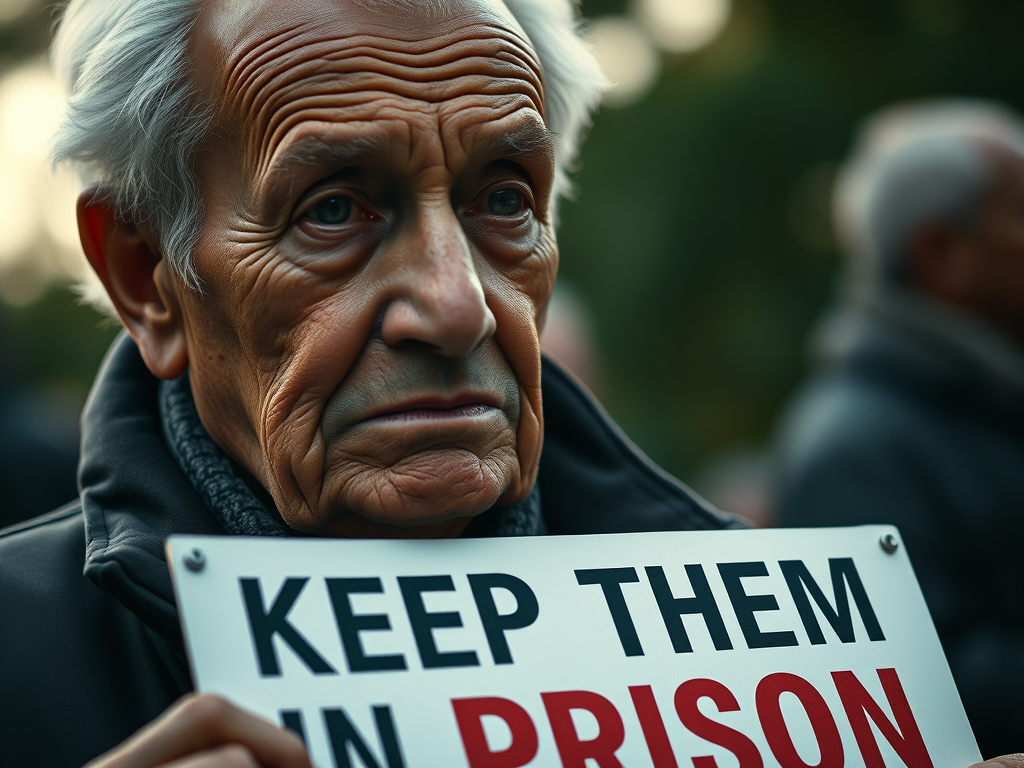
However, there is one family member who is very vocal against the release of the Mendez brothers: their uncle, Kitty Mendez brother. He is quite open about his belief that they should not be released and has labeled them as villains rather than victims. Not every family member shares the view that the brothers should be set free. Kathy Katie, a victim rights attorney representing Milton Anderson, the brother of Kitty Mendez, strongly believes that her nephews were not molested. He views the claims as fabrications motivated by pure greed. At the time of the trial, prosecutors asserted that there was no evidence of molestation, and many details regarding the alleged sexual abuse were not permitted in court, which ultimately led to the brothers’ conviction. The district attorney’s office indicated that the brothers were after of the multimillion-dollar estate left by their parents. What if Jose Mendez had informed both brothers that he was not leaving them anything in his will and that he intended to change it? Would they then have decided to kill him before he could make those changes?
Anderson, now 90 years old, wants the brothers to remain in prison and serve life sentences for killing his younger sister. He agrees with me, emphasizing the importance of ensuring that any decisions regarding their fate are not politically motivated but based on sound reasoning. He has pointed out that California law has been overlooked by the authorities, denying him a say in the fate of his sister’s killers. He understands that he will not make the final decision but hopes that whoever does will not forget about him, as he is a real victim in this case, having lost his sister.
The family appears to be divided. One member argues that if the victims had been sisters instead of brothers, they would still be in custody. This individual questions why there was no outcry at the time of the murder. She also addresses how male victims of sexual assault were treated by society and the justice system three decades ago, a point that prosecutors have acknowledged. Yet, the stigma surrounding male victims persists. This situation reflects the broader societal tendency to label people as sex offenders or pedophiles without considering the complexities of each case.
When examining the case, it is important to note the contradictions that exist. For instance, Lyle Mendez admitted to sexually assaulting his younger brother, which raises questions about double jeopardy and the implications of that admission

Final Thoughts: Should Privilege Play a Role in Justice?
The Menendez brothers have served 35 years for the brutal murders of their parents. With new motions, evidence, and media campaigns, there is speculation that they could be resentenced under manslaughter and possibly released. But the question remains: Is this justice? The Menendez brothers’ case remains one of the most controversial in U.S. legal history. With new evidence, the potential for resentencing, and the powerful influence of social media and celebrity, the future of this case is uncertain. But one thing remains clear: justice should not be swayed by fame or public opinion.
The question we need to ask ourselves is: Are we being manipulated by the power of celebrity and social media, or is this a legitimate call for justice?
Whether or not the brothers are resentenced or released, we must remember that the real issue at hand is not the length of their time in prison, but the nature of the crime they committed. They killed their parents in cold blood, and that fact has not changed. True justice lies in holding people accountable for their actions—regardless of celebrity involvement, public opinion, or how much time has passed.
While some may argue that abuse drove them to commit this crime, the premeditated nature of the murders and the privileged circumstances in which they lived cannot be ignored. Many people who come from far worse circumstances—extreme poverty, drug addiction, and severe trauma—serve far longer sentences for less serious crimes. Some even die in prison, having never had a victim.
We must be cautious not to let wealth, fame, or the power of social media blur our sense of justice. Murder is murder, and while the abuse they endured may be tragic, it does not erase the fact that they took two lives in cold blood.
I believe that if we consider releasing the Mendez brothers, we should review all murder cases involving trauma and sexual assault by family members. If those cases warrant it, then those individuals should also be released—that seems fair.
In the end, the Menendez case continues to evoke strong emotions on both sides. But one thing is clear: this is a case that will never truly fade from public memory, and the question of justice versus victimhood will continue to linger.
As the debate continues, one thing is clear: Justice should not be for sale, and the fate of the Menendez brothers should not be determined by their family’s wealth, Hollywood connections, or celebrity influence.
 Justice Unlocked.
Leave a comment