Justyna M. in Criminal Justice

“We can no longer afford to have a law enforcement system that does not serve the community.” — Michelle Alexander
Advocacy and activism within the criminal justice system are challenging and complex roles, often involving passionate supporters on both sides. Many advocates make mistakes by focusing solely on the issues they feel strongly about, viewing situations from a one-sided perspective. However, for advocacy to be effective and just, it must encompass a broader, more inclusive view. Recognizing the perspectives of all parties involved—even when it may seem difficult or counter to one’s cause—is critical to ensuring that justice remains balanced and fair.
Those who know me understand my dedication to advocating for individuals labeled as registered sex offenders. It’s a role met with significant stigma, misunderstandings, and a heavy societal judgment. The question that often arises is, “Why take on such a challenging, controversial issue?” The answer is simple: because the system isn’t always as black and white as it seems. There is an inherent need to dig deeper into these cases to fully understand the layers behind each label.
The label “sex offender” often brings with it intense stigma, driven by misperceptions, ignorance, and broad generalizations. Those charged with offenses that range from misdemeanors to felonies are often placed into the same category, facing assumptions and condemnations, such as being branded a “child molester” or “predator,” without any nuance or consideration of individual circumstances. It is vital to remember that every person has a story, and judgment should not come from the label alone.
In order to advocate effectively, I make it my duty to understand each person’s story. This involves not just knowing the accused’s background but also considering the victim’s perspective. When I prepare to recommend someone for parole or support their case, I urge them and their families to remember and acknowledge the victims. Even in situations where anger or resentment exists, it’s essential to respect the victim’s voice and recognize that they are also part of this process. Acknowledging the victim, even briefly, is a necessary step in creating a balanced and respectful advocacy strategy.
Advocacy isn’t about blind loyalty to a single side; it’s about recognizing complexities. In cases where family members or advocates claim that someone lied or that evidence is untrustworthy, it’s crucial to exercise caution. It’s not our place as advocates to label someone a liar without sufficient evidence. This is especially true when we’re supporting legislative changes or pushing for systemic reform. Unfounded accusations can quickly undermine our credibility and the overall effectiveness of our advocacy.
When I research cases, particularly those involving wrongful convictions, I take a deep dive into the details. I have come across instances where evidence suggests dishonesty on the part of an alleged victim, and in such cases, I feel compelled to address that issue openly. But we must also acknowledge that false accusations can harm victims’ lives and affect future cases. There is a balance to maintain, one where every person’s experience and perspective are respected and weighed fairly.
The criminal justice system, unfortunately, is no stranger to shortcomings. Far too often, individuals—both the accused and the victims—become casualties of a system plagued by corruption, bias, and outdated policies. I have witnessed first-hand how victims, often in domestic violence cases, struggle to be believed. Courts may deny restraining orders or fail to see the genuine fear these victims face. When judges or police officers dismiss such cases due to technicalities or a lack of “sufficient proof,” it not only endangers victims but also weakens public trust in the justice system. This failure to recognize both sides as potential victims of the system’s flaws is disheartening and a reminder of the work that still needs to be done.
Ultimately, true advocacy demands a full understanding of each side’s humanity. Yes, I advocate for those who bear the sex offender label, but I also acknowledge that each case includes a complex web of people, histories, and impacts. In every step—whether it’s recommending parole, lobbying for legislative change, or examining wrongful conviction cases—I am reminded that real justice is only achieved when we refuse to be one-sided. This approach is not the easiest, but it is essential for creating lasting, meaningful change.

My Story.
Recently, I found myself caught in a web of harassment and stalking that pushed me to the limits of my emotional endurance. For over two and a half years, I have been followed, watched, and stalked by someone who shows no regard for boundaries or consent. This person has made me a target, using social media to escalate their attempts to intimidate and control. Despite issuing a cease-and-desist order over two years ago, their behavior only worsened. Now, I face the reality that this person possesses a zip drive containing personal information about me, and has even gone so far as to send this file to people I know, pretending to be a private investigator. In truth, this person is a habitual offender with severe mental health issues, weaponizing my personal details to increase their power over me.
The toll this experience has taken on my mental health has been profound. The paranoia, constant alertness, and fear for my safety have led to severe emotional distress. I decided to go to court to request a restraining order, thinking that this step would finally offer some protection. However, what I encountered in the courtroom was a harsh, disheartening experience, marked by a lack of empathy and understanding from those tasked with delivering justice.
The courthouse was full of people like me—individuals seeking protection and relief from their tormentors. Among them were women with visible bruises, others with a haunted look, clearly suffering from recent trauma. These were vulnerable individuals, carrying their pain and fears openly, yet forced to relive their experiences in front of strangers. For many, this moment is one of the most challenging and emotionally raw of their lives, and they deserve to be treated with dignity and compassion.
But compassion was in short supply. The court clerk, the first person we interacted with, treated those coming in with an indifference that bordered on hostility. For people already traumatized, facing an indifferent or rude clerk is just another layer of harm. It’s as if the system, rather than protecting us, pushes us away and asks, “Are you sure you want to go through this?”
When my turn finally came, I tried to explain my situation, only to encounter a judge who seemed more interested in teaching me a lesson than in offering justice. Because I had called out the clerk’s behavior, it seemed the judge became more focused on my “attitude” than my legitimate need for protection. My request for a restraining order was denied. And while it felt like a setback, the denial was more painful because it underscored a systemic issue: the lack of trauma-informed practices and empathy in the very institutions meant to provide safety.
This is not an isolated experience. For many victims, the courthouse can feel like a second battleground. When someone seeks a restraining order, they are reaching out in vulnerability, only to be met with institutional apathy or worse. For individuals who have been physically or emotionally abused, being dismissed by court staff or judged harshly by a judge adds insult to injury.
Adding to this challenge is the glaring absence of victim advocates. On my court date, there was no victim advocate present, no one to offer guidance or emotional support to those of us who were there. Instead, a sheriff’s deputy was present—fully armed, a symbol of authority and intimidation rather than comfort. In a place meant to provide protection, the absence of someone to listen, to support, and to validate experiences feels like a betrayal.

Exposing a Broken System: Reflections on Victim/Suspect and the Fight Against Victim-Blaming
Recently, I had the privilege of attending a powerful event, where I witnessed a deeply impactful film that left a lasting impression. The film, Victim/Suspect, is a Netflix documentary that highlights a disturbing trend in how some cases of sexual assault are handled in the U.S. criminal justice system. It follows a journalist’s journey as she dives into cases of women who reported sexual assaults, only to find themselves transformed from victims into suspects. Instead of justice, these women faced accusations, arrests, and, in some cases, were imprisoned—punished for coming forward with their experiences.
The stories in the documentary reveal an unsettling reality: an “old boys’ club” mindset that thrives on victim-blaming and dismissive attitudes. In these cases, law enforcement turns the tables on victims, questioning their credibility, implying they lied, and often using evidence selectively to protect perpetrators. This approach fosters an environment where, rather than seeking justice for victims, police and prosecutors look for ways to discredit them, enabling a cycle where “boys will be boys” prevails. Sadly, this practice is not just a relic of the past; it’s still occurring across the country, particularly in areas where community ties among law enforcement and officials are deeply rooted, such as in South Florida, Alabama, and Louisiana.
One of the most moving aspects of this experience was meeting one of the women featured in the film, as well as the father of a victim who tragically passed away. Hearing their stories firsthand was both emotional and humbling. These individuals were more than survivors; they were resilient and courageous in the face of a system designed to dismiss them. Meeting them felt like meeting movie stars, not because they were on screen, but because of the extraordinary strength they displayed by speaking up against a system that had let them down.
Their stories felt deeply familiar. Though we come from different backgrounds and have faced our own unique battles, we share a bond—a mutual understanding of what it’s like to confront a criminal justice system that prioritizes tradition and hierarchy over fairness and accountability. Many times, our voices are met with resistance or outright dismissal, not only from law enforcement but also from lawmakers and others in positions of power who reinforce a broken system.
This shared experience reminded me of just how real and widespread this issue is. It’s a painful reminder that while we may hope for justice, the system itself is often the first barrier. In a just world, survivors of assault would be met with empathy and support, and law enforcement would work to uphold their dignity rather than seek reasons to blame them. The persistence of victim-blaming practices illustrates a deeper, systemic problem within our legal and legislative structures—one that requires not only reform but also a cultural shift within law enforcement and the courts.
Seeing and hearing from those who have endured this firsthand brought home the need for action and solidarity. Their bravery reinforced the importance of speaking out, of challenging outdated beliefs, and of pushing for a system that serves all citizens, especially the most vulnerable. As long as these practices continue, the fight for justice remains ongoing. The struggles they spoke of, and the battles many of us face each day, underscore the urgent need for a system that genuinely values truth and equity, free from bias or favoritism.

Time for Change: A Call to Reform in Law Enforcement and Beyond
“In 2023, the estimated prevalence of false reporting for sexual assault cases in the U.S. is generally cited to be between 2% and 10%. More specifically, studies have indicated that the false reporting rate can be around 5.9% to 7.1% in various communities
For instance, one research effort analyzing 2,059 sexual assault cases found a 7.1% rate of false reports.
Despite these figures, it’s crucial to recognize that sexual assault is one of the most underreported crimes, with around 63% of assaults going unreported.
Understanding the context and impact of these numbers is essential in discussions about sexual violence and the justice system. If you want more detailed information, feel free to check out sources like the National Sexual Violence Resource Center.”
At a recent panel, I had the heart-wrenching experience of listening to the father of a young woman who had tragically taken her own life. She had done everything she was told to do in the aftermath of an assault. She reported to the police, sought medical care, and laid her trust in a system she believed would protect her. But instead of compassion, she faced disbelief, humiliation, and degradation. Law enforcement dismissed her, challenged her truth, and, in the end, treated her as a suspect rather than a victim. When she could no longer carry the weight of shame and disbelief, she left behind a note, a painful testament to a system that had failed her—and to a world that refused to listen.
Her story is a painful reminder of the struggles many victims face in their pursuit of justice. For this young woman, reporting an assault only led to further victimization, as officers doubted her words and twisted her actions. The torment she endured is not an isolated incident; her story represents a widespread, systemic issue. I hope that the detective who doubted her—who went so far as to pursue charges against her—watches the documentary that sheds light on her experience. I hope he, and others like him, recognize the irreparable harm they inflicted, not just on her but on her family, her community, and everyone who has lost faith in a justice system that often falls short.
This raises critical questions: Can we trust law enforcement to act with integrity? Are they genuinely pursuing justice, or are they operating within a culture that allows bias, cruelty, and deception to go unchecked? When law enforcement officers lie to secure warrants or twist facts to support their cases, they aren’t just betraying individual victims; they’re undermining the very foundation of justice.
The trust we place in our justice system is not absolute—it must be earned. And when stories like this come to light, they reveal cracks in the system that urgently need repair. Reform is not just about changing how law enforcement operates. It requires a shift in our entire approach to justice, including the accountability of judges, lawmakers, and, yes, society itself. It demands that we, as a community, stop rushing to judgment, that we dig deeper and think critically rather than relying on assumptions and stereotypes.
Our collective mindset must evolve. We, too, are part of the problem when we pass judgment without understanding the full story. To create a justice system that is truly just, we must examine our own biases and challenge a culture that too often silences victims while empowering their abusers. It’s time to advocate for a system that supports survivors, prioritizes transparency, and demands accountability at every level—from law enforcement to lawmakers to our own communities.
Change is overdue. Reform is not only necessary; it’s an urgent responsibility we owe to those like the young woman who lost her life, to the families left behind, and to every individual who seeks justice and safety in a system meant to serve and protect. Let this be a call to action for us all to push for a justice system that reflects our highest ideals, where every person’s truth is valued, and every life is honored.

When Victims Become Suspects: Rachel De Leon’s Unyielding Quest for Justice
It’s hard to imagine a world where victims, after suffering the trauma of sexual assault, find themselves not only disbelieved but also accused, arrested, and humiliated by the very system they turned to for help. Yet, investigative journalist Rachel De Leon uncovered this painful reality in her groundbreaking documentary Victim/Suspect. Driven by her commitment to justice, De Leon highlighted how some law enforcement agencies routinely dismiss, and even criminalize, victims’ accounts, transforming them into suspects in a system that often seems more interested in closing cases than in pursuing truth.
Rachel De Leon’s investigation began with a troubling observation: social media posts and local headlines from law enforcement often depict assault victims as unreliable, quickly labeling their stories as “false reports” without thorough investigation. In cases across the United States, this damaging narrative has led to the public shaming and criminal prosecution of victims—individuals who sought help and instead found themselves on trial.
The harsh reality is that this isn’t limited to a few isolated incidents. Over four years, De Leon tracked cases where victims were charged for allegedly falsifying reports after law enforcement decided not to believe them. She meticulously pieced together data and testimonies from numerous states, compiling a disturbing portrait of systemic neglect and victim-blaming. Shockingly, the Department of Justice has no comprehensive data on the number of victims who report their assaults only to be turned into suspects. The lack of oversight and accountability is alarming, and De Leon’s research underscores a glaring gap in the justice system’s treatment of these cases.
De Leon’s work exposed a pattern in law enforcement’s approach: rather than offering support or conducting thorough investigations, police too often seek to discredit victims. The statistics reveal the rarity of false reports, with only about 2-8% of sexual assault claims proving to be fabricated. But despite this low rate, many survivors are treated with suspicion, and some face wrongful arrest. As one survivor poignantly told De Leon, “Between the way the police treated me and the assault itself, the police treatment has definitely hit me harder.”
The situation has created a deep mistrust of law enforcement among many assault survivors. According to De Leon’s research, more than half of women and nearly a third of men in the United States will experience sexual violence in their lifetime. However, only a fraction report these crimes, fearing retribution or disbelief. The system’s response often leaves survivors feeling more traumatized than before, while allowing predators to go free, potentially perpetuating a cycle of violence.
For De Leon, the challenges were immense. At every turn, she faced resistance as law enforcement agencies attempted to block her access to records and testimonies. Undeterred, she enlisted legal support, securing vital documents and video footage that revealed the troubling truth of police practices. Her tenacity underscores an essential question: why is an investigative journalist doing the work that should be the responsibility of law enforcement?
In her September 25, 2023, article, “If the Police Don’t Believe You, They May Prosecute You: How Officers Turn Victims of Sexual Assault Into Suspects,” De Leon exposed the corruption embedded within a system that often penalizes those it should protect. Her investigation brought much-needed attention to a system that all too often denies justice to the very people who need it most. What’s even more troubling is the absence of reform within law enforcement to address these patterns. De Leon’s findings indicate that law enforcement lacks consistent practices for documenting wrongful accusations of false reporting, leaving victims vulnerable to a justice system that views their pain with skepticism. And when victims are ignored or punished, trust in the entire legal system erodes, leading to fewer reports and, tragically, a greater likelihood of recidivism among offenders.
The issue at hand isn’t just about one journalist’s fight to reveal a series of injustices. It’s about a systemic failure to protect vulnerable individuals who have endured trauma. De Leon’s work challenges us to question the integrity of a justice system that often operates on presumption rather than fact, on quick closures rather than diligent investigation.
Reid Technique
The Reid Technique is a widely used method of interrogation developed by John E. Reid in the 1950s. It consists of a structured approach to questioning suspects, often involving psychological strategies that can sometimes include deceptive practices. While the technique has been effective for law enforcement in securing confessions, it has also faced criticism for its potential to lead to false confessions, particularly among vulnerable populations.
Key Components of the Reid Technique
- Pre-Interview Preparation Investigators gather background information about the suspect and the case before the interview. This helps them understand the context and plan their strategy.
- Behavioral Analysis Interview (BAI) This initial phase involves observing the suspect’s behavior and responses to establish a baseline of normal behavior. Investigators look for signs of deception based on the suspect’s verbal and nonverbal cues.
- Isolation The suspect is often isolated in a room, making them feel vulnerable and increasing anxiety. This environment is intended to promote a sense of urgency.
- Building Rapport Interrogators often begin with non-confrontational questions to build rapport with the suspect. Establishing a connection can make the suspect feel more comfortable and open to conversation.
- Theme Development Investigators present a narrative or theme that justifies the suspect’s actions, making it easier for them to confess. This often involves downplaying the severity of the crime or suggesting that the suspect’s actions were understandable under the circumstances.
- Presenting False Evidence (False Evidence Ploy) Interrogators may falsely claim to have incriminating evidence against the suspect (e.g., forensic evidence, eyewitness accounts) to create a sense of hopelessness and encourage a confession. This tactic is particularly controversial and is criticized for leading to false confessions.
- The Alternative Question Investigators present the suspect with two scenarios: one that is more acceptable and one that is harsher. This can make it easier for the suspect to confess to the “lesser” charge, as they feel they have some control over their narrative.
- Confrontation Once sufficient rapport is established, interrogators may confront the suspect with evidence or accusations, applying psychological pressure to elicit a confession.
- Handling Denials If the suspect denies involvement, the interrogator may employ techniques to undermine the suspect’s confidence in their denial, making them feel that continuing to deny the accusation is futile.
- Eliciting the Confession f the suspect begins to admit to the crime, the interrogator reinforces this behavior and guides them to provide a detailed account of the events.
Critics argue that the Reid Technique, particularly its use of deception and psychological pressure, can lead to false confessions, especially among vulnerable individuals (e.g., minors, those with mental disabilities). Coercive Tactics: The use of aggressive interrogation techniques and manipulative tactics can be seen as unethical and can violate a suspect’s rights. Legal Challenges: Some jurisdictions have moved to restrict the use of certain deceptive tactics in interrogations due to concerns about their reliability and fairness. While the Reid Technique remains a popular method among law enforcement agencies, its reliance on deception and psychological manipulation raises significant ethical and legal questions. The technique’s effectiveness is continually debated, especially in light of cases where false confessions have led to wrongful convictions. As awareness of these issues grows, there is an ongoing discussion about the need for reform in interrogation practices to protect the rights of suspects and ensure the integrity of the justice system.
If you delve into the world of law enforcement interrogation tactics, you might be shocked to discover the controversial and ethically dubious practices employed by detectives, particularly the Reid Technique. This method has been criticized for its reliance on deception and psychological manipulation, raising profound questions about the integrity of those sworn to protect us.
Many of us have had encounters with police—whether pulled over for a traffic violation or questioned at a precinct—and it’s not uncommon to feel a sense of vulnerability. I’ve often wondered how many times I’ve been misled during these interactions. Did officers feel justified in lying to me, thinking it would expedite the process? Did they wield their status as public servants to influence my responses, ultimately brushing my case aside as a waste of time?
The Reid Technique, designed to elicit confessions, has garnered criticism for its coercive tactics. Law enforcement officers are trained to utilize psychological pressure, often relying on deception to manipulate suspects into admitting guilt. While this method may yield confessions, it raises ethical concerns about the validity of those admissions.
Victims of wrongful convictions often share a common thread with those who have experienced sexual assault or domestic violence—they have been deceived by a system that is meant to uphold justice. In each instance, these individuals face the daunting reality of being “played” by those tasked with their protection.
When examining wrongful conviction cases, it’s crucial to consider not only the circumstances surrounding the accused but also the treatment of victims. Each scenario reveals how the judicial system can become a trap for the innocent, with detectives employing the Reid Technique’s deceptive practices to create narratives that suit their purposes.
Victims of sexual assault and domestic violence frequently experience this same manipulation. Instead of being treated with kindness and respect, they are often put in a position where their credibility is questioned. The same law enforcement officials who should listen and advocate for their protection may inadvertently place them in a vulnerable position—one where their experiences are minimized or misconstrued.
What ties these experiences together is a profound failure of integrity within the system. The individuals who are supposed to protect us often operate under the presumption of guilt rather than innocence. This results in a disturbing trend where victims, whether of violent crimes or wrongful accusations, find themselves trapped in a cycle of deceit and manipulation.
That’s what they have in common: they treat everyone as if they are guilty.
Conclusion
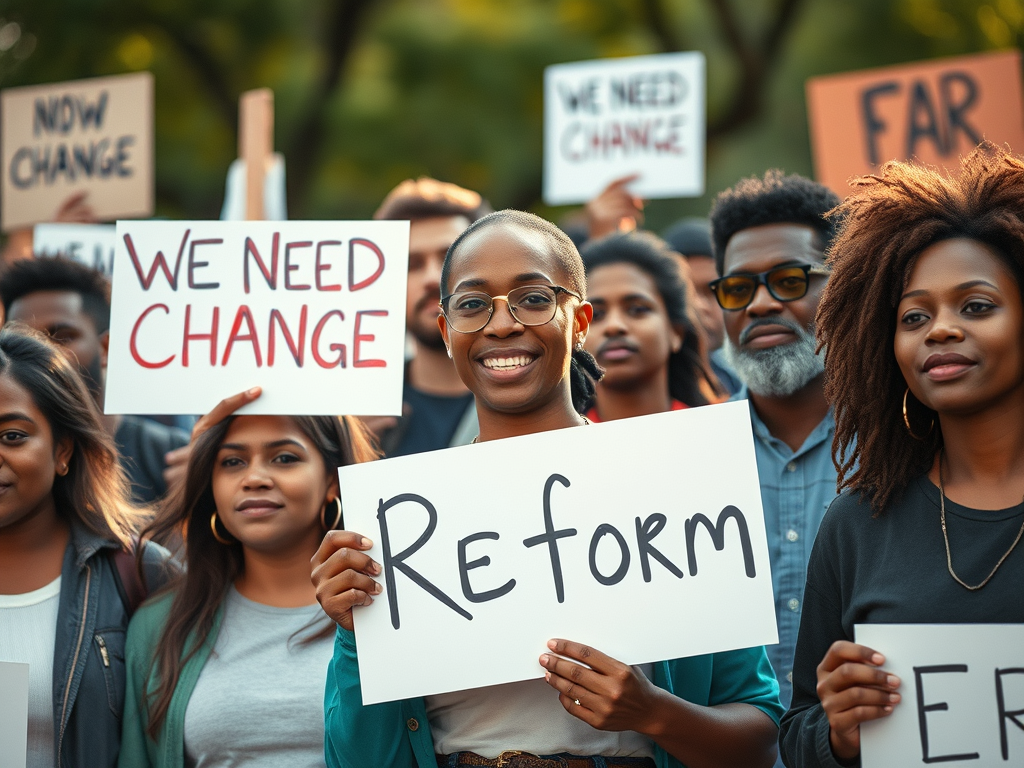
If 2024 is the year for those of us who can give a voice to the voiceless, then it’s time for real change. We can make a difference as a community, but we must be willing to hold people accountable and challenge the old boys’ club mentality. It’s essential to start holding law enforcement and judges responsible for their actions. We have the tools to do this if we engage with legislators at the state, federal, and local levels.
We need to reconsider how we allocate funding and push for mandatory trauma-informed training for these professionals. It should be a requirement for keeping their positions, ensuring they are equipped with the right tools and knowledge. Currently, such training is optional, but it should be as fundamental as continued education for doctors.
As one of the victims from that film points out, if you’re a doctor, wouldn’t you want to pursue further education to improve your practice? This mindset should also apply to police officers, sheriffs, first responders, and judges. Proper training would be an asset to their careers, yet the absence of such specialized education transforms them into liabilities. We cannot continue to be victims of a system that is uneducated and corrupt.
As a society, we must advocate for transparency, accountability, and compassion within law enforcement. When someone comes forward to report an assault, they deserve to be treated with respect and seriousness—not presumed guilty. De Leon’s documentary is more than a call for justice for individual survivors; it’s a demand for comprehensive reform.
In the end, Victim/Suspect is not just a documentary—it’s a call to action. It shines a light on the courage of survivors, the resilience of their advocates, and the work we must continue to do together to build a justice system that honors its name.
Why isn’t there a system in place where victims of stalking, harassment, or abuse can feel safe as they seek justice? Why do we lack the trauma-informed, empathetic approach needed to help these individuals? Judges, clerks, and law enforcement officers should receive training to understand the depth of trauma that abuse and harassment cause. Social media, often used as a tool of intimidation, should be recognized as a valid medium for harassment in legal terms. For those enduring the psychological damage of stalking or abuse, the smallest act of kindness or the briefest show of respect from court staff could make all the difference.
We need a judicial system that not only enforces laws but also acknowledges the stories and traumas of those seeking protection. Trauma-informed practices shouldn’t be optional; they should be the standard. People coming into courtrooms are not just case numbers or documents—they are individuals, often at one of the lowest points of their lives, looking for reassurance and safety. And until our legal system prioritizes understanding and empathy, many more will face re-traumatization where they should find refuge.
The Reid Technique exemplifies the ethical dilemmas inherent in modern law enforcement. As someone who has dedicated my career to advocating for those wrongfully convicted, I understand the profound impact of these deceptive practices. We must continue to shine a light on these issues, advocating for transparency and integrity within the system. The truth is not just a goal; it should be the foundation of justice. It’s imperative that we protect the rights of all individuals and work towards a system that genuinely seeks the truth rather than playing into a narrative of guilt.
It’s time to hold law enforcement accountable for their actions. We must advocate for interrogation techniques that prioritize truthfulness and respect for all parties involved.
The goal of the justice system should be to uncover the truth, not to manipulate or deceive individuals into confessions.
 Justice Unlocked.
Leave a comment