
This publication exposes the dark truth behind the Independence House South Federal in Denver, Colorado, revealing the hidden realities that many choose to ignore. It sheds light on the unprofessional and unacceptable conduct of the staff, the dangers posed by nepotism and mismanagement within community corrections, and a pervasive culture of corruption and sexual harassment. These issues continue to unfold under the leadership of Senator Robert Rodriguez’s family business, with no end in sight.
I am dedicating the final part of my article about Independence House South Federal to two groups of people. First, this is for those who survived. To those who endured the challenges of that “trap house” and emerged into the free world as successful, thriving individuals—you are a testament to resilience. You should be immensely proud of yourselves for overcoming such a toxic environment. Second, I dedicate this to those who hold the truth. To those who worked at Independence House South Federal and later moved to other locations, such as the Northside facility, only to remain silent—your silence speaks volumes. You know the problems run far deeper than anything I could uncover, yet you choose to pretend nothing happened. To those still working there who complain about their jobs and claim to hate the conditions—where is your courage to act? Instead of speaking up, making a change, or bringing attention to these issues, you continue to stay silent. This inaction not only perpetuates the harm but also raises a painful question: How do you sleep at night, knowing the truth about what happens in this federal community corrections facility? My hope is that one day, karma will find its way. For now, this publication is my dedication—to survivors, to those complicit in silence, and to the systemic failures that must be addressed. Let this serve as a reminder: the truth will always come to light.
I want to take a moment to express my deepest gratitude to all of you who have read my articles regarding Independence House South Federal, the only federal community corrections center in Denver, Colorado. Your time and attention mean more than words can convey, especially because so many of you have firsthand knowledge of the challenges I’ve highlighted. Some of you have lived in this house, others have endured even worse situations, and many of you understand exactly what I’m referring to when I discuss the dysfunction and mismanagement within this facility, operating under the Residential Reentry Center (RRC) in collaboration with the Bureau of Prisons (BOP).
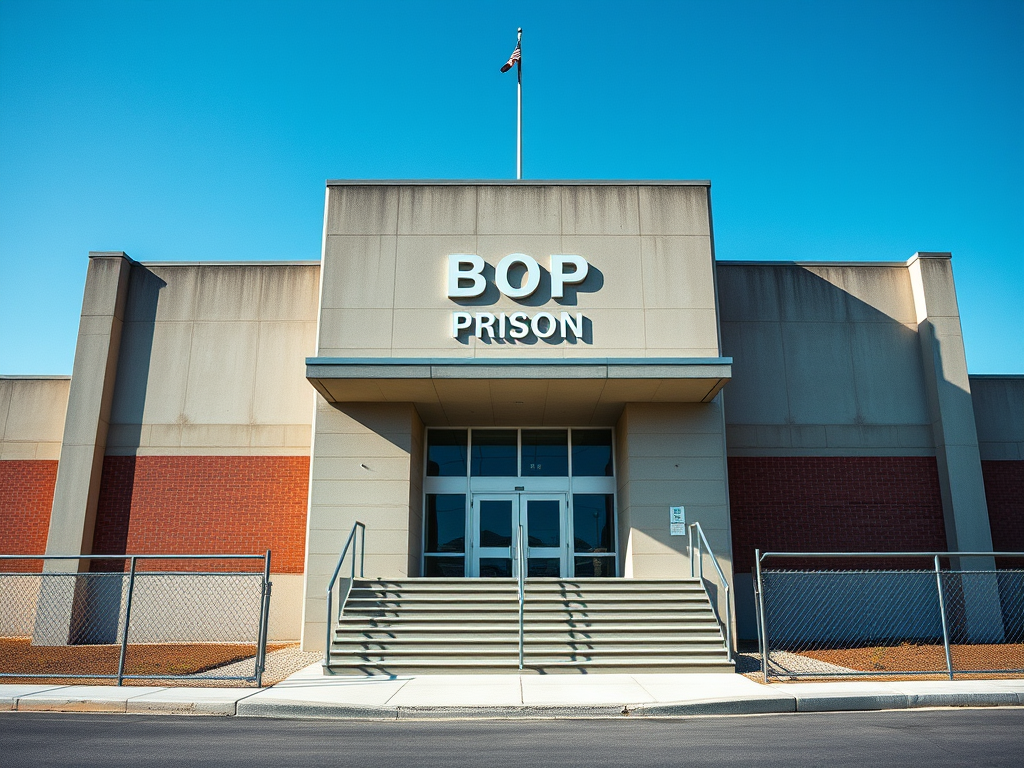
Bureau of Prisons: A Perfect World vs. Harsh Realities
Someone recently asked me, What does BOP stand for? Technically, it stands for the Bureau of Prisons. In a perfect world, it would symbolize an agency committed to rehabilitation, safety, and justice. However, in my experience, it feels like the acronym should stand for “Backwards Operations with Purpose”—because so much of what they do defies common sense, lacks basic courtesy, and continues to baffle those of us who care about meaningful reform.
I’ve often asked myself, What’s worse: state prisons or federal prisons? Based on my observations and conclusions, I firmly believe that federal prisons—and by extension, their community corrections centers—are in a dire state.
Hope for Change
As we approach the possibility of a new administration, I find hope in the words of one political figure who once said: “If they can do this to me, they can do this to everyone else.” Should we see a Republican president in office, I hope they will prioritize reform within the Federal Bureau of Prisons, beginning with the removal of the current director and initiating a thorough overhaul of RRC facilities like Independence House.
Change must include:
- Accountability for leadership, starting with replacing ineffective directors and managers.
- A clear focus on reentry success, ensuring that these facilities serve as stepping stones, not obstacles, for individuals transitioning back into society.
- Transparency and oversight, so that issues of mismanagement, drug use, and mistreatment cannot continue unchecked.
Silence Speaks Volumes
While I appreciate the overwhelming support from those who resonated with my articles, I must address a glaring issue: the silence of those who initially urged me to write about this topic. You asked me to shed light on the problems at Independence House, describing it as a “trap house,” a “drug house,” and even a “hell house.” You detailed the mistreatment you endured and pointed fingers at its director, Matthew Brandt, for fostering a toxic and unsafe environment.
And yet, when the time came to add your voices to the conversation—through comments, statements, or even a simple acknowledgment—you disappeared. Why? Is this no longer your problem? Have you moved on, leaving those still trapped in this system to fend for themselves?
In contrast, I’ve heard from strangers—people I’ve never met—who connected with me immediately and shared their solidarity. This reinforces the importance of continuing this work, but it also raises a crucial question:
If you won’t stand for yourselves and those who come after you, who will?
Moving Forward
This is not just about one facility or one director. It’s about a system that needs reform from the ground up. I will continue to advocate for accountability and change within the BOP, the RRCs, and beyond. But I can’t do it alone.
To those who have remained silent: it’s not too late. Share your stories. Speak your truth. Stand with those who are still suffering, and let’s demand better for everyone involved in this broken system.
To those who have supported this effort, strangers or not: thank you. Your courage and connection give me the strength to keep fighting. Together, we can create the momentum needed to ensure that community corrections centers like Independence House live up to their intended purpose—rehabilitation, safety, and hope.
Let’s keep the conversation going.
Recently, I was asked a difficult question: Should we keep this house open, or should we shut it down? The answer isn’t straightforward. On the one hand, this facility represents the only federal community corrections center in Colorado, with no competition. On the other hand, the conditions, practices, and leadership within this establishment raise serious concerns about whether it truly serves its purpose.
Let’s examine the broader context first: Senator Robert Rodriguez and his family have financial and political ties to this facility, which has reportedly generated $43 million in revenue since 2003. While it is framed as a hub for recidivism reform, it feels more like a profit-driven enterprise exploiting individuals’ tragedies and missteps. Shame on Senator Rodriguez and those connected to this facility who prioritize personal gain over meaningful rehabilitation.
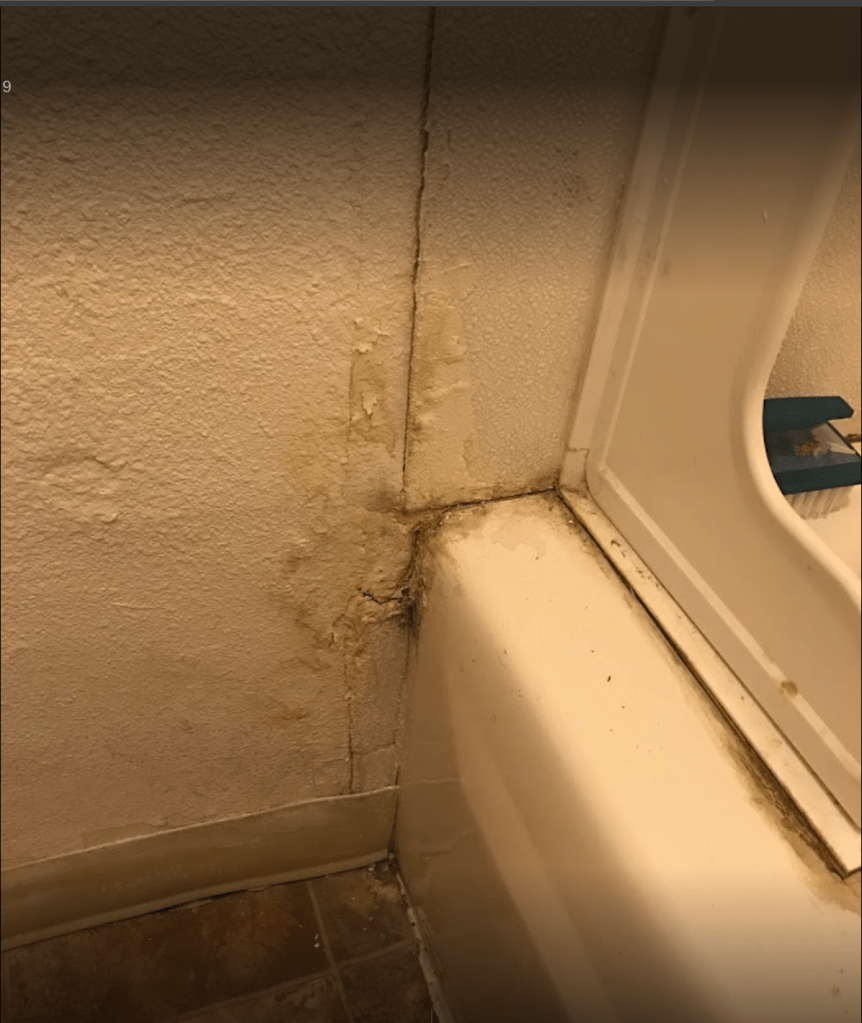
The Facility’s Condition: A Health and Safety Hazard
The building itself is in disrepair, laden with asbestos, and characterized by unsanitary conditions. Residents share overcrowded spaces — six men or women to a two-bedroom, one-bathroom apartment. Basic facilities are inadequate:
- Laundry: There are only two washers and dryers for over 100 residents, and they are frequently broken.
- Food Storage: Residents are barred from keeping additional food in refrigerators, which are padlocked. The kitchen facilities have been stripped away, and residents are restricted to the subpar meals provided by the facility.
- Meals: These consist of highly processed, carb-heavy TV dinner-style trays devoid of fresh vegetables or nutrition. Portion sizes are small, and snacks are limited to apples or unhealthy alternatives.
The living conditions are equally dismal. Bathrooms suffer from constant leaks, and sewer water frequently invades residents’ spaces. Heating systems are unreliable in the winter, while rooms become unbearably hot in the summer due to the lack of functioning air conditioning or window coverings.
The most critical aspect of reentry is providing individuals with the tools they need to rebuild their lives, starting with crafting a resume. This requires access to library computers, guidance from knowledgeable professionals, and resources to navigate the reentry process. Imagine being in prison for 10, 20, or even 30 years and stepping into a world dominated by technology, where everything—job applications, networking, and even communication—is online. Gone are the days of paper applications, replaced entirely by electronic and social media-driven systems.
Now, let me describe the reality of the reentry computer lab in the South Federal Community Correction facility. It’s a tiny room with four or maybe five computers, only two of which have functional printers. Access to these resources is inconsistent and poorly scheduled, leaving residents unsure when, or if, they’ll be able to use them.
To bridge this gap, I used to direct residents to nonprofit organizations that offer better support for reentry. These organizations provide full access to computers, professional resume-writing assistance, job search guidance, and the ability to set up accounts on job application platforms. Residents could take their time, print multiple copies of their resumes, and benefit from personalized support.
Here’s the real question: with $43 million in revenue since 2003, why can’t this facility dedicate a spacious, well-equipped lab with at least ten computers, reliable printers, and unlimited paper access? Why not hire a full-time professional to assist residents with writing resumes and filling employment gaps?
The answer seems clear. Is it because investing in proper reentry services doesn’t align with the goal of profit-driven recidivism? Is the intention to make it harder for residents to succeed, knowing they may return to prison and fuel this broken system? It’s time to prioritize meaningful change over profit and give these individuals the genuine support they deserve.
Staff Conduct: Unprofessional and Unacceptable
The behavior of staff, particularly case managers, is another glaring issue. Case manager offices are unhygienic, cluttered with food, and poorly maintained. Residents are forced to interact in spaces that smell of rotting food and poor hygiene. How can case managers be expected to guide residents when they fail to maintain basic professionalism?
Security is equally chaotic. The security office is disorganized, dirty, and overflowing with paperwork. The lack of structure results in significant delays and errors, with residents frequently facing unwarranted write-ups for infractions like late check-ins or escape charges.
Perhaps the most troubling is the facility’s toxic culture. Staff allegedly engage in fraudulent activities, such as providing urine samples for residents in exchange for money. This practice not only undermines the integrity of the program but also perpetuates a cycle of dishonesty and exploitation.
A Call to Action
This facility was established to help individuals transition back into society, but it has become a symbol of neglect, corruption, and profit-driven indifference. The $124 per resident per day paid by taxpayers is not translating into adequate resources, nutrition, or care for residents.
If we are to keep this house open, sweeping reforms are essential:
- Accountability: Leadership, including Director Julio, must address the chaotic and unsanitary conditions, ensuring basic hygiene and organization across security department.
- Transparency: An independent audit of financial and operational practices is necessary to root out corruption and mismanagement.
- Improved Living Conditions: Immediate repairs to infrastructure, expanded laundry facilities, proper meal planning, and restored kitchen access are non-negotiable.
- Professional Standards for Staff: Comprehensive training and strict enforcement of professionalism and hygiene standards must be implemented.
- Support for Residents: Case managers and staff need trauma-informed training to understand and assist residents’ struggles with addiction, mental health, and past trauma.
This house cannot remain as it is. Colorado deserves a facility that genuinely supports its residents’ journey toward rehabilitation, not one that profits from their misfortune. If change is not possible, shutting it down may be the only ethical decision.

Exposing a Troubling Reality: Relationships Between Staff and Inmates in Correctional Settings
Reality TV shows like Love During Lockup and Love After Lockup may seem like entertaining drama, but for those familiar with the correctional system, these shows reveal unsettling truths. Beneath the surface, they expose the blurred boundaries and ethical violations that can occur between staff members and inmates. While some of the participants in these shows are random individuals, others are former correctional employees—highlighting a pervasive, yet often overlooked, issue.
Who Is the Victim?
In inappropriate relationships between staff and inmates, the power dynamic is glaringly unequal. The question often arises: Who is the real victim—staff or inmate? The answer is simple and unequivocal: the inmate or resident is always the more vulnerable party. Inmates are in a state of dependency, stripped of personal freedom and subjected to institutional authority. This makes them especially susceptible to manipulation, coercion, and exploitation, whether or not the relationship appears consensual on the surface.
The power imbalance is compounded by the potential for hidden agendas. Staff members wield control over privileges, disciplinary actions, and even an inmate’s chances for parole or successful reentry. This puts inmates at a significant disadvantage, leaving them exposed to abuse, whether emotional, physical, or financial.
A Widespread Problem
Through my professional experience in community corrections, I’ve witnessed just how common these unethical relationships are. Despite policies of zero tolerance, they persist—both inside facilities and through home confinement programs. Shockingly, only about 20% of staff members consistently maintain professional boundaries. The remaining majority engage in misconduct, ranging from outright relationships with inmates to various forms of corruption, including:
- Bribery: Accepting money or favors in exchange for special treatment.
- Drug smuggling: Bringing contraband into the facility for inmates.
- Fraudulent urine tests: Using their own urine to help inmates pass drug screenings.
These actions not only violate ethical standards but also compromise the integrity of the entire correctional system.
Why Does It Happen?
The reasons for these ethical breaches are complex. For some staff members, financial desperation or personal vulnerability plays a role. For others, it’s the allure of power or the thrill of breaking the rules. Meanwhile, inmates may seek relationships as a means of survival or to gain advantages within the system.
Regardless of the motivations, these interactions undermine the goals of rehabilitation and public safety. They also erode trust within the facility, as other inmates and staff members become aware of the misconduct and question the fairness of the system.
The Need for Change
To address this issue, correctional facilities must:
- Strengthen Oversight and Accountability: Implement regular audits, increase surveillance, and enforce stricter consequences for violations.
- Provide Staff Training: Educate employees on professional boundaries, the dangers of power imbalances, and the consequences of unethical behavior.
- Support Whistleblowers: Create a safe environment for staff and inmates to report misconduct without fear of retaliation.
- Focus on Rehabilitation: Shift the culture from punitive practices to one centered on genuine rehabilitation, reducing opportunities for exploitation.
The reality depicted in shows like Love During Lockup isn’t just entertainment—it’s a mirror reflecting the vulnerabilities and systemic failures within correctional institutions. Staff-inmate relationships and other forms of misconduct have far-reaching consequences, not only for the individuals involved but also for the integrity of the justice system. It’s time for correctional facilities to take meaningful action to address this problem, ensuring that the focus remains on rehabilitation, fairness, and public safety.
Only then can we begin to restore trust in a system that should serve justice, not personal agendas.
Breaking the Silence: Corruption, Misconduct, and Neglect in Federal Halfway Houses
In the world of community corrections, federal halfway houses are meant to be places of transition and rehabilitation, offering individuals a chance to reintegrate into society. But behind the scenes, these facilities are often plagued by corruption, unprofessionalism, and negligence—issues that go far beyond the headlines. Federal halfway houses, intended as transitional spaces for individuals reentering society, should serve as environments of support and rehabilitation. However, behind closed doors, these facilities often suffer from corruption, unprofessional conduct, and neglect—problems far more widespread than commonly reported.
A Dysfunctional System A key issue in federal halfway houses is inadequate security. Unlike trained correctional officers, security staff are often unqualified, with minimal backgrounds in criminal justice or corrections. Hired primarily for their physical ability to carry weight and operate computers, they earn an average of $21-24 hourly —barely enough to make a livable wage. This lack of oversight and accountability fosters an environment ripe for corruption and misconduct.
Many staff members succumb to the temptation of making extra money through illicit activities. Whether smuggling drugs, accepting bribes, or assisting residents in evading drug tests, the avenues for exploitation are numerous. This is not an excuse, but a reflection of a systemic failure that allows these behaviors to thrive.
Vulnerable Facilities, Vulnerable Residents The design of these facilities compounds the problem. Many lack proper security features, such as gates or controlled access points, which allow unauthorized individuals easy access. Contraband—whether drugs or weapons—regularly makes its way into these facilities through unsecured entrances or unmonitored drop-offs.
A specific example highlights the issue: two houses within the same system—one for state residents and the other for federal—have blurred lines of authority. Employees frequently transfer between the two, bringing with them unchecked behaviors and misconduct.
A Predator Among the Staff One of the most disturbing incidents involved Colby, a staff member at a federal halfway house. At first, he seemed unremarkable, but his actions soon raised alarm. Female residents reported predatory behavior, including:
- Unwanted Advances: Colby made inappropriate comments, called residents late at night, and probed into their personal lives, asking about relationships and children.
- Exploiting Personal Information: Colby used his access to residents’ contact information and schedules to manipulate and harass them.
- Predatory Behavior: Many residents described Colby’s actions as grooming, earning their trust to gain closer access.
As a result, women began installing makeshift alarms in their rooms, fearing for their safety. These vulnerable women, who had come to the facility seeking a safe environment to rebuild their lives, were forced to take matters into their own hands as the system failed them.
Cover-Up Attempts When these allegations surfaced, the response from management was deeply troubling. Instead of initiating a proper investigation under the Prison Rape Elimination Act (PREA), leadership—Director Matthew Brandt and Assistant Director Anastasia Lynn—attempted to conceal the misconduct.
Despite substantial evidence, including testimonies from residents, management dismissed the complaints, promising to handle it internally. Staff were instructed not to document the incidents in official systems, suggesting a deliberate effort to cover up the situation. Even after Colby’s departure, further allegations emerged, including claims that he had assisted residents in falsifying drug tests for personal gain. Yet, no real investigation took place, leaving the victims with unresolved trauma and lingering questions.
The Price of Inaction The consequences of these failures are severe. Women who sought rehabilitation and safety in these halfway houses are left to cope with lasting trauma, including PTSD and a deep mistrust of authority. The toxic culture of corruption and neglect undermines the facilities’ very purpose, transforming them from places of rehabilitation into sites of exploitation.
A Call for Accountability The time has come to hold halfway house administrations accountable. This includes:
- Thorough Background Checks: Ensuring that all staff members have appropriate qualifications, including experience in criminal justice or corrections.
- Enhanced Security Measures: Installing controlled access points, surveillance systems, and conducting regular inspections to prevent contraband and unauthorized access.
- Independent Investigations: Allegations of misconduct must be investigated by independent bodies to prevent cover-ups.
- Trauma-Informed Care: Providing residents with resources and support to address the emotional and psychological damage caused by staff misconduct.
The corruption and negligence within federal halfway houses are a microcosm of the broader issues plaguing the correctional system. Until there is accountability and systemic reform, these facilities will continue to fail the very individuals they are meant to help.
The stories of these residents—especially the women subjected to harassment and exploitation—deserve to be heard. It’s time to break the silence and demand justice for those who have suffered in a system designed to rehabilitate, not harm.
The Dangers of Power and Vulnerability: A Case of Abuse in Community Corrections
In the world of community corrections, the relationship between staff and residents is built on trust and professionalism. Case managers and specialists are in positions of power, tasked with guiding vulnerable individuals through their reintegration into society. However, when that power is misused, it can have devastating consequences, not just for the staff member involved, but for the residents they are meant to protect.
One of the most troubling aspects of this dynamic is the potential for abuse when those in power exploit their position for personal gain, especially when it comes to relationships with vulnerable residents. Love, in this context, becomes more of a manipulation—a game played with lives and futures. Vulnerable individuals are often left with little choice but to play along, as they understand the consequences of not complying: the loss of their chances at freedom.

The Case of Sacheeen : An Example of Exploitation
Take the case of Sacheeen , a case manager who worked with high-risk offenders at a community corrections facility. On the surface, she seemed like a dedicated professional—someone who had been in the role for five years, working with some of the most dangerous offenders. But behind the scenes, her behavior and the environment she fostered in her office painted a different picture.
Her office was chaotic, disorganized, and unprofessional—papers missing, confidential files mishandled, and her ability to perform basic tasks in question. Her failure to properly follow protocols, such as those outlined by the Prison Rape Elimination Act (PREA), was alarming. And yet, despite these red flags, she continued her job, seemingly unchecked. Her personal life mirrored the disarray of her professional one. She would often appear in highly inappropriate attire—tight clothing, excessive makeup, and high heels—unprofessional at best, but more telling when you consider her behavior in the workplace.
But it wasn’t just her disorganization and unprofessionalism that raised concerns. It was her relationship with a resident— Surenos, a Hispanic gang member housed in the facility. Sacheeen and resident developed a romantic relationship, a fact that only came to light after a domestic violence report involving Sacheeen was filed with local law enforcement. There were no immediate investigations, no PREA assessments, and no attempts by the facility to address the situation in an appropriate and professional manner.
Instead, the situation was swept under the rug. No one from the facility took responsibility for ensuring that this breach of professional conduct was properly investigated, nor was there any attempt to hold Sacheeen accountable. Meanwhile, she continued to interact with residents, leaving behind a chaotic caseload for another case manager to take over.
The Complicity of Power
The story doesn’t end there. Sacheeen son, also employed at the facility as a security officer, was the one who ultimately reported his mother’s inappropriate relationship to the Director of the community corrections center. In an act of loyalty to his job, he took the responsibility of turning his own mother in. This act of honesty confirmed what many had already suspected: Sacheeen had been exploiting her position of power for personal gain.
Despite this, no meaningful investigation took place. The incident was never properly documented in the facility’s records, and no disciplinary actions were taken. It is unclear if PREA guidelines were ever followed, or if the facility in Phoenix, Arizona, where Sacheeen worked, was ever notified of the misconduct. The lack of accountability is a stark reminder of the dangers of unchecked authority in community corrections.
The Broader Impact
What does this say about the system? How can we expect individuals in the community corrections system to rehabilitate and reintegrate into society if the very people charged with guiding them are the ones exploiting them? The case of Sacheeen is just one example of the many instances where staff members take advantage of their vulnerable position. It sends a dangerous message to residents: that they are expendable, their futures easily manipulated by those who hold power over them.
The abuse of power in this context is not just an isolated incident but a symptom of a broader issue within the system. When there is no proper oversight, no accountability, and no checks and balances, vulnerable individuals—many of whom have already faced years of exploitation—are left at the mercy of those who are supposed to help them.
The case of Sacheeen is a powerful example of what happens when those in positions of authority abuse their power. It is a stark reminder that, in any system, accountability must be a priority. The residents in these facilities, already vulnerable, deserve nothing less. It is time for change—time to ensure that the people who are supposed to help rebuild lives are not the ones tearing them down. The failure to act in cases like this is not just a breach of trust—it is a violation of the very principles that our correctional system is meant to uphold.

What should you do when a staff member, such as a security supervisor, becomes pregnant by a resident? How should this situation be handled? Should it be swept under the rug, or should there be a proper investigation, with the incident addressed fully? In an ideal world, a thorough investigation under the Prison Rape Elimination Act (PREA) would be conducted. But if a staff member is sexually assaulted by a resident, that resident faces additional charges. On the other hand, if the relationship was consensual, the question arises: who is the victim, and who is the predator?
In this case, another security supervisor, Oliviaa, who held a supervisory position, found herself at the center of controversy. This situation came to light unexpectedly, with Oliviaa disappearing after being called into the office by a director. It seems she may have avoided facing the consequences, particularly given her pregnancy. My question is: when staff members, whether working day shifts or night shifts, engage in sexual relationships with residents, how should this issue be handled? This is not a rare occurrence but an ongoing, systemic problem that continues despite efforts to control it.
This situation reminds me of FCI Dublin, which became notorious for its staff-inmate sexual misconduct, a place where such behavior was rampant. Just as COVID-19 could not be eradicated with a simple solution, this kind of misconduct persists no matter what measures are put in place. It’s a cycle that needs to be addressed with serious reform and accountability.

The Dangers of Nepotism and Mismanagement in Community Corrections: A Case Study at Independence House South Federal
n the world of community corrections, a system built on integrity, professionalism, and accountability is essential to maintaining order and protecting both staff and residents. However, at Independence House South Federal, a disturbing pattern of nepotism, poor oversight, and misconduct is emerging. Desperate for staff, the facility has resorted to hiring family members, leading to potential conflicts of interest and unchecked power dynamics that put both staff and residents at risk.
Nepotism in the Workplace: A Recipe for Disaster
One glaring example of this troubling practice is Jamess, a Home Confinement Case Manager. This role, which is crucial to the successful reintegration of federal offenders into society, is one that requires a high level of responsibility and understanding of legal protocols. However, Jamess’s performance has raised serious concerns. Not only does he fail to properly manage the legal documentation related to home confinement, but he also exhibits a clear lack of respect for the residents under his care. Jamess’s tendency to cut corners, avoid work, and engage in inappropriate power trips, particularly when searching residents’ rooms or throwing away their belongings, paints a picture of a man unfit for his role.
Even more concerning is his behavior in the workplace. Jamees has been known to indulge in excessive breaks, often eating during work hours, which only adds to his reputation as an inefficient and unprofessional supervisor. His office, a corner of the facility, has also become a hotspot for inappropriate sexual activity, as residents, both male and female, have been observed engaging in sexual behavior in the very space he supervises. Despite being aware of this situation, Jamees has failed to intervene, allowing these incidents to continue unchecked, thereby violating the Prison Rape Elimination Act (PREA).
Garcia’s Nephew and the Compromise of Professionalism
Adding another layer of concern, Jamees nephew, Jacob, was hired as a security staff at the facility. Jacob, clearly unqualified for the position, has shown a complete lack of basic job skills, such as answering phones, using computers, and interacting with residents. His ineptitude might seem harmless at first glance, but it becomes more alarming when his actions are scrutinized.
Jacob, who has a history of drug use, managed to pass a federal background check, raising questions about the thoroughness of the hiring process, especially considering the urgent need for staff. Once hired, Jacob’s behavior revealed a troubling pattern: not only was he unprofessional, but he was also engaged in smuggling drugs and contraband into the facility. His actions placed the safety of residents and staff at risk, as he used his position to facilitate drug use among the residents and allow them to pass drug tests.
Jacob’s actions, which should have warranted immediate investigation and legal action, were apparently swept under the rug, possibly due to his connection to Jamees. It is troubling that no federal charges have been filed against Jacob for his involvement in smuggling contraband into a federal halfway house. If this had occurred in a state prison, the consequences would likely have been severe. However, it seems that the family ties within Independence House South Federal have allowed Jacob to evade accountability.
The Larger Problem: A Lack of Accountability
What these cases highlight is a larger issue of mismanagement and a lack of accountability within the community corrections system. When family members are hired into positions of power, it creates an environment where rules can be bent, misconduct can be ignored, and residents’ rights can be violated without consequence. In an institution where trust and professionalism are paramount, this pattern of nepotism and mismanagement is a recipe for disaster.
The facility’s leadership, including the directors and supervisors, have failed to properly address these issues, allowing them to persist. Jamees’s disregard for professional standards, his failure to intervene in inappropriate behavior, and his unprofessional conduct with residents only serve to reinforce this toxic environment. When leadership turns a blind eye to such behavior, it sends a dangerous message to both staff and residents: that nepotism and misconduct will be tolerated.
Moving Forward: Reform is Essential
To ensure the safety and well-being of all individuals in the community corrections system, it is essential that strict protocols and professional standards are enforced. Facilities must prioritize transparency, proper training, and adherence to federal laws such as PREA. Staff members, regardless of their family connections, must be held accountable for their actions, and misconduct should never be allowed to slide under the radar.
Independence House South Federal, like many other facilities, is a place of rehabilitation, and it should be treated as such. However, until the culture of nepotism and poor management is addressed, it will remain a dangerous environment for both staff and residents. It is time for a change—one that ensures accountability, professionalism, and, most importantly, the safety and dignity of all involved.
To be fair, we cannot definitively say whether Jamess and Jacob worked together intentionally, as we don’t have concrete evidence of that. However, given their family relationship, Jamess should face disciplinary action, including potential termination from his position at community corrections. His direct involvement with his nephew raises concerns about possible financial gain or other conflicts of interest, which have yet to be properly addressed. Despite this, no action has been taken, but it is high time for change. It is crucial that we hold those responsible accountable, especially when they exploit vulnerable individuals struggling with addiction, pushing them back into their hardships instead of supporting their path to recovery and sobriety.
The conclusion of this investigation is clear: this house should not remain open. It would be better for individuals to finish their sentences in prison under known conditions than to be sent to a facility that functions like a trap house, a drug house, or a warehouse and whore house. Why would we put people in such harmful situations that compromise their efforts to stay sober and expose them to the risk of sexual assault or harassment? The fact that this house is run by Senator Robert Rodriguez, a majority Democratic leader, speaks volumes. His actions imply that he is endorsing this dangerous behavior, sending a message to the community that this is acceptable. His family profits off the suffering and time served by individuals in prison, claiming to keep the community safe while perpetuating this cycle of exploitation.
As we head into the new year, I will be at the Capitol, testifying on every bill connected to Rodriguez, regardless of whether it directly involves me. I will use my time to ensure he faces the consequences of his actions, forcing him to acknowledge the harm he’s caused and make real change. It’s time to shut this down.
To those who know the truth, like Alllison, who has left the South Federal facility, you cannot escape accountability. You may have moved away from the chaos, but you carry the knowledge that could shut this down. Don’t think relocating to another house, Independence North will keep you from facing the same consequences. The leadership remains the same, and your silence makes you just as guilty. You could easily find another job, but those in these facilities have no other place to go. Think carefully about your role in all this—your selfishness is just as damaging as the system itself. Allison you are just as complicit.
“Justice cannot be for one side alone, but must be for both.” – Eleanor Roosevelt
Disclaimer:
The content of this publication is based on personal observations, professional experiences, and publicly available information. All opinions expressed are solely those of the author and do not reflect the views of any affiliated institutions or organizations. This publication is intended for informational and educational purposes only and does not constitute legal advice. Any statements regarding individuals, agencies, or events are made in good faith and are supported by factual evidence or personal witness accounts. The author has taken reasonable steps to ensure accuracy, but makes no guarantees regarding completeness or future developments. Any resemblance to persons or situations beyond what is expressly stated is purely coincidental. If any party believes that any content is inaccurate or misrepresented, they are encouraged to contact the author for clarification or discussion.


 Justice Unlocked.
Leave a comment