“In a place where freedom is taken away, love is something no one can imprison.”
“Love After Lockup is a reality TV series that explores the lives of individuals who fall in love with prisoners. The show, which airs on WE tv, documents their journeys as the inmates are released and attempt to transition back into society while navigating their romantic relationships. It delves into the complexities of love, trust, and the challenges of reintegration into everyday life. The series often includes dramatic twists, family conflicts, and cultural or societal judgments about relationships with incarcerated individuals. It’s known for its mix of heartwarming moments and intense drama, keeping audiences engaged with the highs and lows of each couple’s story.”
Reality television has a way of dramatizing everyday life, but sometimes, it hits home in unexpected ways. Shows like Love After Lockup and its companion series, Love During Lockup, delve into the lives of people navigating relationships with those either currently incarcerated or recently released and living under the strict supervision of parole or probation. Initially, I thought it was all scripted—another exaggerated reality TV show. But the more I watched, the more I realized the authenticity of these stories. They’re raw, unfiltered glimpses into the challenges people face when their loved ones are under the watchful eye of the justice system.
This isn’t just entertainment; it’s reality for countless individuals. For those who’ve never experienced it, being in a relationship with someone entangled in the justice system is like signing up for a life sentence of your own—even if you never pick up a pen.
The Invisible Sentence: Loving Someone Under Supervision
When you love someone who’s incarcerated or on parole or probation, their conditions become yours. Whether the rules are set by state or federal systems, they come with strict terms:
- Travel restrictions: No spontaneous trips, no crossing state or country lines.
- Associations: No being around certain people, including family or friends with criminal records.
- Substance bans: No alcohol in the home. No marijuana, even where it’s legal.
In essence, your life becomes an extension of their sentence. You share their limitations, their challenges, and their restrictions. It’s a unique kind of partnership, one that demands patience, sacrifice, and an understanding of the harsh realities that come with the territory.
The Emotional Weight of “Doing Time” Together
Every visit to a probation office, every random drug test, every curfew—these are constant reminders that your relationship exists under scrutiny. Even after release, the system’s grasp lingers, leaving both partners navigating a precarious balance.
For some, the weight of this reality fosters a sense of unity—a determination to overcome obstacles together. For others, it becomes a burden too heavy to carry. You find yourself questioning: Is this the life I want? Am I willing to sign up for an indeterminate sentence of my own?
The Bigger Question: Should You Parole Yourself?
Loving someone under supervision isn’t for everyone. It’s not a judgment; it’s a recognition of the intense commitment required. For some, the relationship is worth every sacrifice. For others, the constant constraints become suffocating.
Ultimately, it boils down to a hard truth: while your loved one may one day finish their sentence, the emotional toll of the journey can leave scars. If the relationship starts feeling like a second prison, it might be time to ask yourself: Is it time to grant myself parole?
The Reality Behind the Reality Show
Love After Lockup may be entertainment, but it also shines a spotlight on the challenges many face in silence. It’s not just about romantic relationships—it’s about understanding the collateral consequences of the justice system on families and loved ones. For those outside the system, the show might seem like drama for ratings. But for those who’ve lived it, it’s a mirror reflecting their own struggles.
This isn’t just a story of love; it’s a story of resilience, compromise, and sometimes, letting go. It’s about asking hard questions and making even harder choices.
Because love, like freedom, comes at a cost. And it’s up to each person to decide whether the price is worth paying.
“Reflections From the Visitation Room: A Lawyer’s Perspective on Love, Appearances, and Life After Prison”
As a former attorney, my experiences often took me to places most people try to avoid—prison visitation rooms. There, I’d meet clients, usually dressed in a plain black suit, blending into the somber setting, while the stark contrast of their world unfolded around me.
The visitation room was a theater of longing, a parade of appearances meticulously curated by loved ones desperate to make an impression. Women arrived in fitted dresses, perfect makeup, and styled hair, creating an air of glamour that stood in sharp contrast to the grim reality of incarceration. Even when dress codes forbade such attire, there always seemed to be someone who slipped through the cracks—like the woman I’ll never forget, dressed in a striking green silk dress that should’ve been banned. Almost 20 years later, her image lingers in my memory: dark curly hair, full makeup, and a magnetism that turned heads, including her heavily tattooed partner’s.
The Illusion of the Visitation Room
For four hours a month, these moments were a reprieve for the incarcerated—a glimpse of normalcy in a life otherwise stripped of it. But as one of my clients bluntly put it, “It’s all fake. It’s imagination.”
These carefully crafted appearances weren’t reflective of the day-to-day life waiting beyond the prison walls. The visitation room was a bubble, a stage where love was performed, even if it couldn’t always be sustained. Women wore silk and makeup as if to say, This is what you’ve got to remember when you’re locked back in your cell.
And yet, I found myself questioning: What did these women see in these men? Was it love, hope, or something else entirely? And what did these men see in return—a partner, or just the embodiment of a fantasy they knew would fade once freedom stripped away the boundaries?
The Reality of Reentry
I never imagined I’d end up in a relationship with someone who had done time. After years of witnessing the aftermath of incarceration, I understood the harsh realities. Reentry into society isn’t just about physical freedom; it’s about carrying the psychological scars of confinement.
For many, the experiences inside prison leave them with PTSD or, worse, PICS syndrome—a unique blend of trauma from the conditions of incarceration. It’s the stuff they won’t talk about, the things they’ve seen and endured that can’t be put into words.
On top of that, there’s the labyrinth of parole and probation. I spent countless hours negotiating parole terms for clients—some of which were absurdly unmanageable. One case stands out: a former gang member placed in community corrections surrounded by other gang members. His parole conditions prohibited contact with gang affiliates, yet his environment ensured constant violations. It was a system setting him up to fail, and the only way forward was endless negotiations, trying to carve out some semblance of fairness in an inherently flawed system.
The Burden of Love and Supervision
Being in a relationship with someone on parole or probation isn’t for the faint-hearted. The terms of their freedom often extend to their loved ones, dictating where they can go, who they can see, and even what they can keep in their home. Supervision is a constant shadow, and it’s not just the parolee who feels its weight.
I’ve seen the struggles of those who choose to stand by their partners. Their love is tested daily by a system designed to constrain. It’s a form of resilience, but also a sacrifice.
A Perspective Shaped by Experience
The green dress, the glamour of visitation days, the stoic faces of my clients as they faced parole hearings—these memories have stayed with me. They’ve shaped my understanding of incarceration, reentry, and the human capacity to endure.
For those who love someone in the system, the road is challenging, filled with moments of hope, heartbreak, and hard choices. But beneath the makeup, the fitted dresses, and the four-hour illusions, lies the reality of a love tested by an unforgiving system. Whether that love survives depends not on what’s worn in the visitation room but on the strength and resilience shared by both partners.
Because in the end, freedom—like love—is never truly free. It comes with conditions, compromises, and sacrifices that demand everything you have to give.
“Love After Lockup: The Unseen Struggles and Realities of Relationships Tied to the Justice System”
Relationships are never one-size-fits-all. Add the complexities of incarceration, parole, or probation, and they become an entirely different landscape. For those on the outside, entering into a relationship with someone who is under supervision is more than a commitment to the person; it’s a commitment to their parole officer, their probation officer, and the conditions that govern their freedom.
The Unique Challenges of Love Under Supervision
Every relationship has its struggles, but relationships involving someone under supervision come with a unique set of challenges. The terms of parole or probation can feel like a third party in the relationship—restricting where you can go, who you can associate with, and even how much freedom you truly share.
If you’re not ready to fully embrace the reality of supervision, it can lead to heartbreak for both you and your partner. It’s not for everyone. Relationships like these require resilience, patience, and a willingness to navigate a system that can be unyielding.
I’ve seen too many cases where someone entered a relationship with good intentions, only to realize they weren’t prepared for the additional layers of responsibility. It’s not just about love; it’s about understanding and working within the confines of a system that doesn’t leave much room for mistakes.
The Longing for Connection
During my time in community corrections, I met countless men who had just been released from prison. Many of them asked me the same question: “Do you think I’ll ever find someone who loves me?”
Their longing was palpable. After years of isolation and limited human interaction, the need for connection felt almost overwhelming. They didn’t just want companionship—they craved meaningful relationships, someone to talk to and share their lives with.
I often told them the same thing: “Don’t rush. The right person will come when the time is right. But you can’t force it.”
The desperation I saw in their eyes was heartbreaking. Many of them jumped into relationships too quickly, often with people who were a poor fit. These hasty connections sometimes led to disastrous outcomes, including violations of parole conditions or even a return to prison.
The Danger of Vulnerability
One of the hardest lessons I tried to teach these men was to guard their hearts. Many were vulnerable and didn’t recognize how that could be exploited. I warned them about the risks of rushing into relationships, not just for their emotional well-being but for their freedom. Unfortunately, many of the men I worked with ended up back in prison because of domestic issues. Whether it was infidelity, misunderstandings, or outright lies, the parolee or probationer was almost always deemed the aggressor. The system doesn’t hesitate to act, and the consequences are swift and severe.
Success Stories and Hope
But not all stories ended in heartbreak. Some of the men I worked with took their time, learned from their mistakes, and eventually found the right person.
One client recently told me, “You were right. It wasn’t about finding the first person who came along. It was about waiting for the one who truly understood me.”
It gave me hope to see that love after lockup isn’t just a fantasy or a fleeting concept. It’s a reality for those who are willing to wait, work on themselves, and build relationships on a foundation of trust and understanding.
Reality TV vs. Real Life
Shows like Love After Lockup sensationalize the struggles of these relationships, turning them into entertainment for people who’ve never experienced the realities of prison or supervision. But for those of us who’ve worked in the system—or lived through it—it’s not just a show. It’s a glimpse into the lives of real people navigating real challenges.
The struggles portrayed aren’t exaggerated—they’re real. And while it may seem funny or dramatic to viewers, for those involved, it’s life. It could be any of us in those shoes, trying to make a relationship work under the weight of supervision and societal judgment.
“Loving Through the Bars: The Reality of Relationships with Formerly Incarcerated Partners”
When you enter into a relationship with someone who has spent years—sometimes decades—behind bars, you’re not just stepping into a love story. You’re stepping into a life story shaped by time, trauma, and transformation. It’s a story that carries the weight of a DOC number, parole requirements, and societal judgment.
This isn’t a fairy tale. It’s not the script of a fantasy where love conquers all in a smooth, idealized way. It’s raw, real, and often messy. It’s about resilience and patience, but it’s also about confronting harsh realities—both yours and theirs.
The Weight of the DOC Number
For someone who has spent a significant part of their life in prison, their DOC number is more than a form of identification. It’s a constant reminder of where they’ve been and, in some ways, what they continue to carry.
You wake up every day with that number, even if it’s not yours. It becomes part of your life, just like theirs. For them, it’s a thread that ties them to a system they can never fully escape. And for you, it’s a daily choice to accept that thread as part of your shared story.
The Reality of Reintegration
People who have done long sentences often struggle with reintegration. Every day can present a new challenge, something as seemingly simple as using a printer or saving a document as a PDF.
But here’s where the cracks often show: patience. Many who have spent years in the system have developed a short fuse, quick to jump to conclusions or react defensively. Being told to take out the trash or wash the dishes can trigger memories of being ordered around by prison guards. For them, even everyday requests can feel like a threat to their autonomy.
As their partner, you’re not just dealing with the person they are today—you’re dealing with the echoes of who they had to become to survive in prison. It’s not personal, but it feels personal. And it takes an extraordinary amount of understanding to navigate these moments.
Chasing Dreams, Losing Focus
Many people leaving prison feel an overwhelming need to catch up on the time they lost. They want to make money, chase dreams, and prove to themselves—and the world—that they’re more than their past.
Sometimes, this means they lose sight of the relationship. It’s not intentional, but it happens. They’re driven by the pressure to succeed, to justify the years they spent locked away. And in that pursuit, their partner can feel left behind, stuck in a relationship that feels increasingly one-sided.
The Judgment of Others
Let’s face it: the world isn’t kind to people with criminal records—or to those who love them. Imagine introducing your partner at a dinner party, casually mentioning that they served 20 years in prison. The room falls silent. Eyes widen. Someone awkwardly asks, “So… what did you do?”
This is the reality you face. People will judge you, question your choices, and assume the worst. Some of your closest friends may pull away, unable to reconcile your relationship with their preconceived notions of what’s “acceptable.”
But here’s the truth: you don’t owe anyone an explanation. You don’t have to defend your partner or your relationship. If people can’t support you, they don’t deserve a place in your life. And in moments like these, you’ll learn who your true friends are—the ones who stand by you, no matter what.
The Harsh Truth About Love
Being in a relationship with someone who has done significant time in prison isn’t easy. It’s not for the faint of heart. It’s filled with challenges, misunderstandings, and moments of frustration.
But it’s also an opportunity to build something meaningful, something that defies the odds and proves that love can thrive even in the harshest conditions.
If you’re considering such a relationship, know this: it’s not just a second chance for them—it’s a second chance for you, too. A chance to see the world through a different lens, to challenge your own biases, and to grow in ways you never imagined.
It’s not about fixing them or saving them. It’s about walking beside them, shoulder to shoulder, as they navigate a world that isn’t always kind or forgiving.
And yes, it’s tough. But for those who choose to stay, it can also be incredibly rewarding. Because love, in all its forms, is never easy. And sometimes, the hardest loves are the ones that teach us the most.
Love Beyond the Bars: A Story of Patience, Resilience, and Hard Truths
Let me tell you a story—not of a young woman, but of someone who has lived long enough to see both the harshness and beauty of life. A former prosecutor turned defender of second chances, she now dedicates her work to reentry services, helping those who’ve served time reintegrate into a world that’s unkind, judgmental, and relentlessly tough.
This woman met a man who had spent nearly two decades in prison, serving an indeterminate sentence—a life where parole is granted, but freedom always hangs by a thread. It’s a sentence that mirrors life without parole, except you’re allowed to step back into the world, a world that’s often more overwhelming than welcoming.
He went into prison as a young man, barely having lived an adult life, and emerged into a chaotic, unpredictable reality. In prison, he had learned to survive. To survive, you have to be somebody—establish yourself as a force to be reckoned with. It’s a survival mechanism, a kind of self-determined shot-calling, shaping your own destiny in an environment designed to break you.
She didn’t meet him in prison but in the free world, where he was already trying to adjust. It wasn’t easy. In fact, it was far harder than she expected. Every day brought new challenges—some good, some bad.
The reality of being in a relationship with someone who has done significant time is layered with challenges. The most glaring? Patience—or rather, the lack of it. After years of confinement, many formerly incarcerated individuals struggle with explosive tempers, mood swings, and impulsiveness. There’s a push-and-pull dynamic: they want the security of a relationship but resist any perceived control. Even a simple request—“Can you take out the trash?”—can trigger defensiveness, a lingering echo of being told what to do by prison guards.
Arguments are a world of their own. They aren’t ordinary disagreements; they’re battles. For someone who spent years in a hyper-defensive environment, every conflict feels like a fight for survival. These arguments can escalate into full-blown verbal wars, built on logic, legalese, and sheer determination to “win.”
So, who gives in? The person who never served time, or the one still carrying the prison mindset. There’s no easy answer.
This man was no Prince Charming. He wasn’t the romantic hero from a storybook, but a man shaped by years of struggle and survival. The relationship was unpredictable—one day he wanted to marry, the next he didn’t. Small arguments could turn into massive blowups. And yet, she stayed. Despite the emotional obstacle course, he put her through, she remained by his side. She encouraged him to seek help for his mental health, though he resisted at first. Eventually, he made the effort, if only for a reality check.
That woman faced yet another challenge: his family. While their protectiveness over him was understandable and even commendable, at times it became overwhelming. It felt as though she was in a relationship not only with him but with his entire family—especially his mother, who was fiercely protective. On one hand, you could sympathize. We all understand a mother’s love, or so I thought. But when protectiveness and control take over, it becomes something else. In this man’s committed relationship, the woman felt like she was caught in a love triangle, while the man struggled to set clear boundaries. Another argument—how many can relate to this? After someone spends nearly two decades in prison, their family naturally wants to make up for lost time; to bridge the gap of years they were unable to share. But can time really be “made up”? Can you reclaim what’s already gone? We don’t have a time machine to go back 20 or 30 years and fix the past. It’s a harsh reality: we can only live in the present.
You might wonder how she managed. The truth is, she had to navigate carefully, picking her battles. Sometimes, she had to step away, count to ten, or let things roll off her shoulders with sarcasm or patience. And sometimes, the situation became too much, leaving her with no choice but to pack her things and leave. This experience isn’t unique to her—I’ve spoken with many women who found themselves in similar situations. When a family inserts itself into a relationship out of mistrust or the belief that they must protect their loved one, it often creates a wedge. These women feel as though they’re not trusted to be a positive, supportive presence in the man’s life, and sadly, many love stories unravel because of this dynamic.
But whose fault is it? The overprotective family? Or the vulnerable man, who is navigating parole or probation and feels torn between loyalty to his family and commitment to his partner? Choosing isn’t easy. If he sides with the woman, he risks alienating his family; if he chooses his family, he may lose the woman he loves. Life is a constant stream of choices, and sometimes, those choices require a degree of selfishness. And you know what? That’s okay.
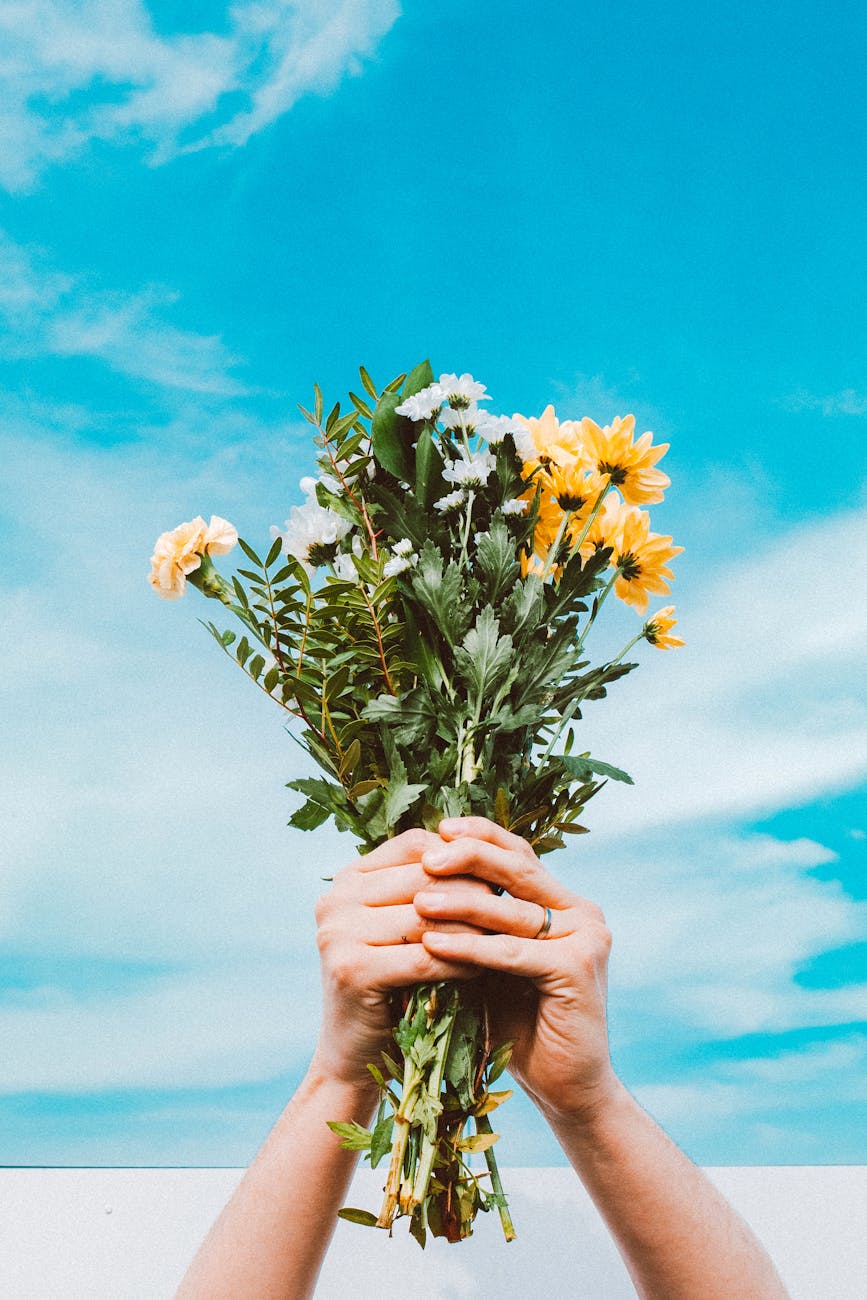
Being with someone who has been incarcerated isn’t a typical romance. Don’t expect flowers every Friday or grand gestures of affection. These things don’t come naturally to someone who spent years in an environment where survival trumped sentimentality. You have to remind them, ground them, and bring them back to reality. Insecurity is another shadow that lingers. A friendly hug with a male friend or colleague might not spark a reaction immediately, but the resentment can surface days later. Trust is fragile and requires constant reinforcement.
You might wonder what happened after a couple of years in this relationship between the woman and the man. In the end, she chose to leave—and that’s okay. It’s perfectly fine to say, “This isn’t for me,” and that choice deserves respect. She didn’t walk away because it was too hard or because of the challenges of probation or parole supervision. She left because the weight she was carrying became unbearable. It wasn’t just the man’s struggles; it was also the burden of his family and their involvement.
What’s the point of being in a relationship if you feel alone? As the saying goes, the worst loneliness is being lonely in a relationship. Sometimes, it’s better to stand alone than to endure that kind of emptiness.
Let’s hope this man finds someone who can give him what he truly needs—someone who can understand him and support him in the ways he’s looking for. As for the woman, she now carries memories and experiences that few others will ever understand. Not everyone is invited into the world of someone who has done time in prison. That world shaped her, and it inspired her to dedicate herself even more to helping others who are incarcerated or preparing for reentry into society.
Her journey reminds us not to regret life’s challenges—they shape who we are. For her, those experiences fueled her passion to guide and support others through the struggles of incarceration and reentry, giving them hope and direction.
The Harsh Truths of Love After Lockup
These relationships are rarely built on fairy tale ideals. They demand grit, patience, and an unshakable sense of self. Many of these men, especially those who spent decades behind bars, are chasing lost time. They want to achieve something, be someone, and prove that their time in prison didn’t define them.
But there’s a cost, and often, their partner pays it. The emotional labor is heavy, the sacrifices constant, and the rewards uncertain.
Despite the challenges, some relationships do endure. They thrive not because they’re perfect, but because both partners are willing to do the work—to navigate the storms, embrace the messiness, and find moments of peace amidst the chaos.
It’s not easy, and it’s not for everyone. But for those who choose this path, it’s a journey of growth, understanding, and resilience. It’s love, stripped of illusions, raw and real. And sometimes, that’s enough.
A Call for Compassion
What’s the conclusion to this story? Perhaps there isn’t one. Maybe there’s no tidy ending, no dramatic resolution—just life experiences. These are the kinds of experiences that only a few people will ever truly understand. Entering the world of those who’ve spent time in prison is not something everyone is prepared for, nor is it a space many are even allowed into. But for those who step into it, it becomes a unique, transformative journey.
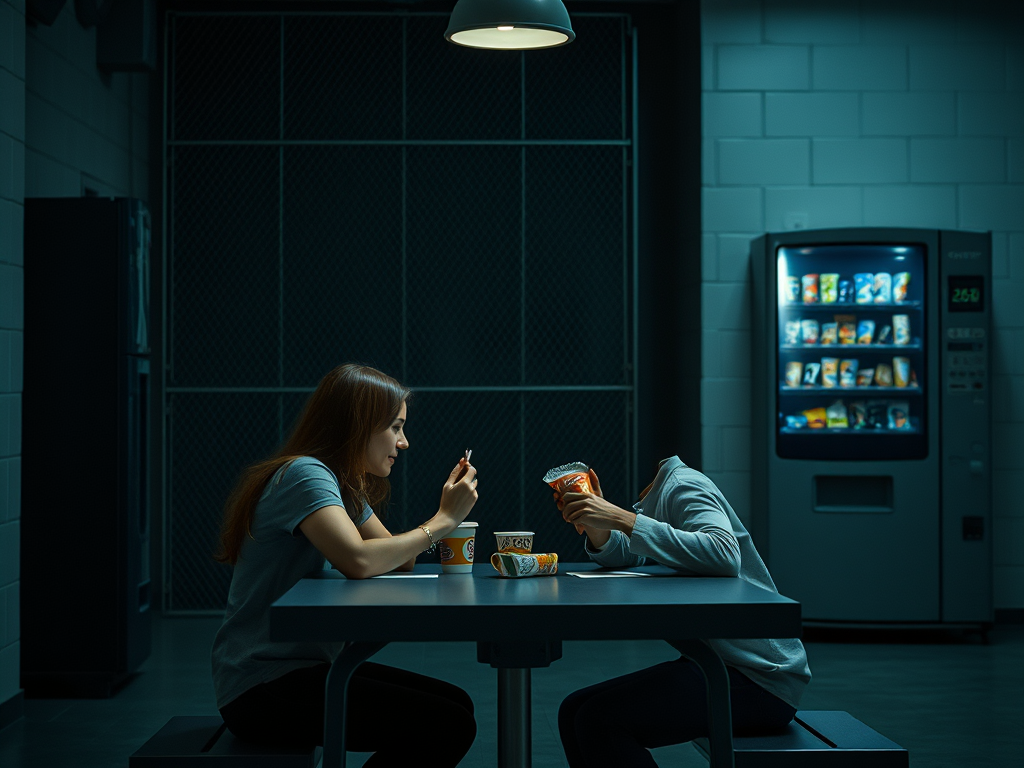
Visiting someone in prison is a window into a reality that feels both extraordinary and painfully ordinary. Sitting in visitation rooms, watching people hold hands, share a vending machine snack, or steal a moment of closeness, offers a fleeting glimpse of normalcy. For four, six, or maybe even eight hours, these small acts of intimacy—hugging, kissing, just being near one another—become monumental. They provide a sense of hope, a taste of something “normal” that prisoners rarely experience. Sure, the vending machine dinners and soda may not seem romantic to an outsider, but in that room, they can be everything. The sterile visitation rooms, stark in their design and heavy with the weight of supervision, paradoxically foster moments of joy, laughter, and connection. For those hours, the walls disappear, and life feels less isolated. It feels, for just a while, like living again.
But does it last? Is this kind of love made to endure? That’s a question no one can answer. The reality is that many of these relationships don’t survive the transition from prison to the outside world. Some men leave prison only to discover that the love they clung to was built on a fantasy. The woman who was their anchor becomes unavailable, detached, or distant. What felt so real in the prison’s-controlled environment often dissolves when faced with the complexities of the real world.
Yet isn’t that just a reflection of relationships in general? Think about online dating. Isn’t it similar? You connect through screens, build stories in your mind, and imagine a future before you’ve even shared the same physical space. There’s an element of fantasy in all of it—a shared hope for something better, something meaningful, something real.
Visitation rooms amplify this dynamic. The smiles, the laughter, the women letting their hair down, and the moments of hand-holding—they offer a brief escape, a touch of humanity in a dehumanizing environment. For many, those few hours every couple of weeks are a lifeline. They are reminders of what could be, even if only for a moment.
But stepping back into the “real world,” one can’t help but wonder: have we all been chasing the wrong things? Have we forgotten the simple beauty of human connection—of holding hands, sharing a laugh, and being present with someone? Maybe there’s a lesson to be learned from the people in those visitation rooms.
While their love stories may not always have a happy ending, their experiences speak to something universal: the human need for hope, connection, and belonging. Whether in a prison visitation room or in the chaos of daily life, perhaps the most meaningful moments are the simplest ones—the ones we too often overlook.
Relationships tied to the justice system are not for the faint of heart. They require patience, understanding, and a level of commitment that goes beyond the ordinary. But they’re also a testament to the resilience of the human spirit and the power of love to overcome even the most challenging circumstances.
For those entering these relationships, my advice is simple: take your time, protect your heart, and be honest about what you’re ready for. Because while love after lockup is real, it’s not easy—and it’s not for everyone.
 Justice Unlocked.
Leave a comment