
This article might ruffle some feathers—and honestly, I’m okay with that. The truth is, sometimes you have to call out the big elephant in the room, no matter how notorious or uncomfortable it might make people. For too long, the world of criminal justice reform, including prisons, county jails, and advocacy work, has been plagued by dysfunction, division, and misaligned priorities. It’s become an epidemic in itself, and it’s high time someone addressed it unapologetically.
Let me preface this by saying I’ve been in this field for over 30 years, with more than a decade of work specifically in Colorado. During this time, I’ve witnessed the evolution—or lack thereof—of advocacy, reform efforts, and the dynamics of the criminal justice system. When I first arrived in Colorado, it was a predominantly Republican state, with a homogenous population and fewer arrivals from other parts of the country. Over time, the state has undergone significant demographic and cultural shifts, influenced by migration, generational changes, and evolving attitudes toward justice.
But let’s get one thing straight: Colorado’s transition hasn’t been smooth, nor has it been meaningful in the context of systemic reform. In fact, the current state of advocacy here often feels like a chaotic circus of misdirected efforts. And while it’s easy to blame external factors, the truth is that much of the dysfunction stems from within the advocacy community itself.
The Divided Front of Advocacy
When I started working in reentry and advocacy, we didn’t have the distraction of social media. There was no Facebook, Instagram, or TikTok dictating the narrative. Advocacy was about real connections, meeting in person, and having substantive discussions. Today, the field is fragmented, with everyone chasing their own agendas, clout, or public recognition. Collaboration is rare, and when it does happen, it’s often ineffective or superficial.
Take Colorado, for example. Despite having organizations like ACLU, CURE, and the so-called Colorado Justice Reform and Coalition, it’s hard to pinpoint what these groups are achieving beyond buzzwords and hashtags. Advocacy in this state is more divided than ever, with no unified vision or strategy. Whether it’s lobbying for the wrong policies, mismanaging funds, or presenting emotional outbursts at the Capitol, these efforts often fail to yield tangible results.
One glaring issue is the lack of discipline and professionalism. I’ve sat in hearings where testimonies from advocates felt more like emotional meltdowns than persuasive arguments. It’s no wonder legislators don’t take us seriously—who would?
A Controversial Stance
My work has always been rooted in the belief that every individual, regardless of their offense, deserves dignity and a chance at reentry. This includes those convicted of sex offenses—a group that remains one of the most stigmatized in the system. I’ve faced backlash for this stance, with people asking how I could possibly support individuals labeled as “monsters.” My answer is simple: they are no different from those convicted of murder, drug offenses, or any other crime. They are human beings, and they are all sitting in the same prisons.
But here’s the problem: advocacy often avoids these uncomfortable conversations. Instead of addressing the stigma head-on, many advocates shy away, further perpetuating division and misunderstanding.
Time for Accountability
It’s time to stop playing games and start holding ourselves accountable. Advocacy is not about emotional theatrics, nor is it about chasing personal fame or funding. It’s about tangible change—passing meaningful legislation, dismantling harmful stereotypes, and creating programs that work.
I’ve chosen to chart my own path, independent of the fractured coalitions and ineffective organizations. Yes, it makes me controversial. Yes, some people are afraid of my directness. But fear breeds respect, and respect leads to progress.
To those in advocacy: stop the infighting, stop the performative activism, and start focusing on what truly matters. Reform will not happen until we put aside egos, unify our efforts, and approach the system with the discipline and professionalism it demands.
Change is possible, but only if we’re willing to confront the elephant in the room. Let’s stop being part of the problem and start being part of the solution.

Entitlement vs. Effective Advocacy: Why Some Voices Go Unheard
If you recognize my name, you might already know that I’ve been banned from several Facebook support groups for families with loved ones behind bars. Why? Because I call things out as they are, especially when bad advice and misinformation are being spread. Some don’t appreciate that I question their approach or challenge their understanding of the law, but I refuse to stay silent when actions could harm not only the incarcerated individuals but also the broader system.
Let’s get one thing clear: advocating for someone in prison isn’t just about passion—it requires knowledge, strategy, and accountability. Unfortunately, many fail to grasp this, and their behavior often does more harm than good.
Misguided Advocacy: A Recipe for Problems
“My husband called and said the tablets are not working Wi-Fi is off they are back to using the wall phones
… Not surprising for that poorly run facility
I am at a loss right now… this place is making me freak out. I can’t get ahold of anyone to talk to regarding the access pack that they said was delivered but now they don’t know where it is and the lady that answers the phone to transfer you is no help she said I can just keep calling back every 5 minutes if that makes me happy. Who can I possibly talk to this is driving me crazy
Does anyone know if unit 4 pod B is locked down or anything?
If you find out, lmk. My husband is in there and I have not heard from him since 7am. He isn’t answering his tablet.”
I’ve seen it countless times—well-meaning family members posting in support groups, asking for advice or venting frustrations, but taking an approach that creates more problems than solutions. For example, advising someone to call a warden directly to complain about a loved one’s treatment or situation may seem like action, but it’s a reckless move. Such calls often escalate tensions, disrupt operations, and can backfire on the incarcerated individual.
Why is this problematic? Because there’s a bigger picture most don’t understand. Having worked for the Federal Bureau of Prisons and in community corrections, I’ve seen firsthand how entitlement can sour communication. Policies and procedures exist for specific reasons—whether for safety, security, or legal constraints—and staff are often limited in what they can discuss or disclose.
Advocacy doesn’t mean bulldozing your way through obstacles with relentless demands. Sometimes, it means accepting “no” as an answer, especially when that “no” is based on legal and procedural realities.
The Decline of Productive Dialogue
Every year, the Colorado Department of Corrections (CDOC) hosts citizen and advocate meetings, creating opportunities for family members, advocates, and organizations to engage directly with staff, wardens, and even the DOC director. These meetings should be a platform for productive dialogue, yet attendance has noticeably dwindled.
Why? Perhaps it’s because frustration often replaces reason. During these meetings, I’ve observed family members approach DOC representatives with accusations, anger, and emotional outbursts rather than constructive questions. This combative tone only alienates the very people who could help.
Emotional pleas are not inherently wrong—advocacy is deeply personal, after all. But emotions without strategy are ineffective. Repeatedly bringing the same complaints or refusing to acknowledge procedural limitations only ensures you’re labeled as difficult to work with.
The “Blacklist” Phenomenon
Both the Bureau of Prisons (BOP) and DOC have an informal way of identifying individuals whose interactions are deemed counterproductive. Let’s call it the “blacklist.” These are the people who call incessantly, send unrelenting emails, or refuse to accept answers—even when those answers are legally or logistically sound.
If you’re constantly demanding exceptions or ignoring the reasons behind a decision, you’re likely to find yourself on this list. It’s not retaliation; it’s a matter of efficiency. Staff prioritize cases and concerns from those willing to collaborate and work within the system.
A Better Approach to Advocacy
If you truly want to make a difference for your loved one, it’s time to rethink your strategy:
- Learn the System: Understand the policies, procedures, and limitations of the DOC, BOP, or community corrections. Knowledge is your most powerful tool.
- Pick Your Battles: Not every situation warrants escalation. Assess whether an issue truly requires intervention or if it’s a matter of adjusting expectations.
- Be Respectful and Strategic: Approach staff and officials with respect, professionalism, and well-prepared questions. Respect earns respect.
- Work Collaboratively: Advocacy is not about proving a point or being “right.” It’s about finding solutions. That requires listening and compromise.
- Recognize When to Accept ‘No’: Some answers won’t change, no matter how persistent you are. Recognizing when to move on is as important as knowing when to push forward.
Generational Gaps in Advocacy
Advocacy for incarcerated loved ones looks vastly different across generations. Let’s break it down:
First, we have the older advocates, often in their 70s or 80s. These individuals tend to be persistent but sometimes lack an understanding of how their actions impact the broader system. Then there’s the middle group—millennials—who generally approach advocacy with more awareness and a willingness to work within the system. Lastly, we have Gen Z, a group whose advocacy style is often marked by entitlement, impulsiveness, and a reliance on social media platforms like Instagram, Facebook, and TikTok for information.

Questionable Behavior and Its Consequences
Gen Z advocates, in particular, sometimes overlook the importance of professionalism and decorum. For example, when visiting their loved ones in correctional facilities, some choose attire that violates visitation dress codes. Whether they are there for personal visits or legal matters, it’s not uncommon to see individuals wearing outfits that correctional officers deem inappropriate—outfits that, frankly, would not be out of place in a nightclub.
When officers enforce these rules, the response is often an emotional outburst or argument. But here’s the critical question: who bears the consequences of such behavior? It’s not the visitor. The incarcerated loved one may face repercussions or even lose privileges.
By not adhering to visitation guidelines and failing to behave respectfully, advocates undermine their own goals. Instead of facilitating support, they escalate problems, and their grievances often fall on deaf ears. Complaining to DOC staff, filing endless emails, or venting on social media won’t change a thing. DOC staff have far more significant issues to address than a minor visitation dispute.
When Advocacy Crosses the Line
This isn’t just a Gen Z problem. Even older advocates sometimes take their efforts to an extreme, causing more harm than good. I recall a case involving an older woman from Fremont, Colorado, whose husband was repeatedly denied parole. Her approach was counterproductive—she filed lawsuits against the Attorney General and the state of Colorado, decisions that only solidified her husband’s parole denials. Her relentless advocacy didn’t stop there. She made daily calls to the facility, overwhelming phone lines to the point where staff couldn’t focus on urgent matters, such as appeals or attorney communications. Imagine the frustration of an attorney trying to contact a client with a pressing deadline, only to find the phone lines blocked by an advocate’s incessant calls.
This isn’t advocacy—it’s disruption. Once her husband was released, the facility finally experienced relief, with phone lines freed for more critical matters.
Advocacy That Works
Effective advocacy requires balance, respect, and understanding of the system. Whether you’re a seasoned advocate or a newcomer, consider the following:
- Understand the Rules: Know and follow visitation policies, dress codes, and communication guidelines. These rules exist for a reason, even if they don’t always make sense to you.
- Be Strategic: Persistent calls, emails, or lawsuits may seem like action, but they often alienate the very people you need to work with.
- Focus on Outcomes: Advocacy isn’t about proving you’re right—it’s about achieving results for your loved one. Choose your battles wisely.
- Respect the Process: The correctional system isn’t perfect, but constant complaining or defiance only makes things harder for everyone involved.
The Reality of Advocacy: Navigating Truth, Perception, and Prison Narratives
As someone deeply embedded in the world of state and federal corrections, I receive countless emails, letters, phone calls, and messages from family members and loved ones of incarcerated individuals. Their requests often vary but, more than 90% of the time, they involve concerns about the facilities—whether it’s complaints about conditions, claims of unfair treatment, or pleas for assistance with legal matters.
From my experience working directly with prisons, both state and federal, as well as community corrections, I’ve learned to approach these situations with a discerning eye. My role requires me to play devil’s advocate, balancing empathy for families with the reality of how the prison system operates.
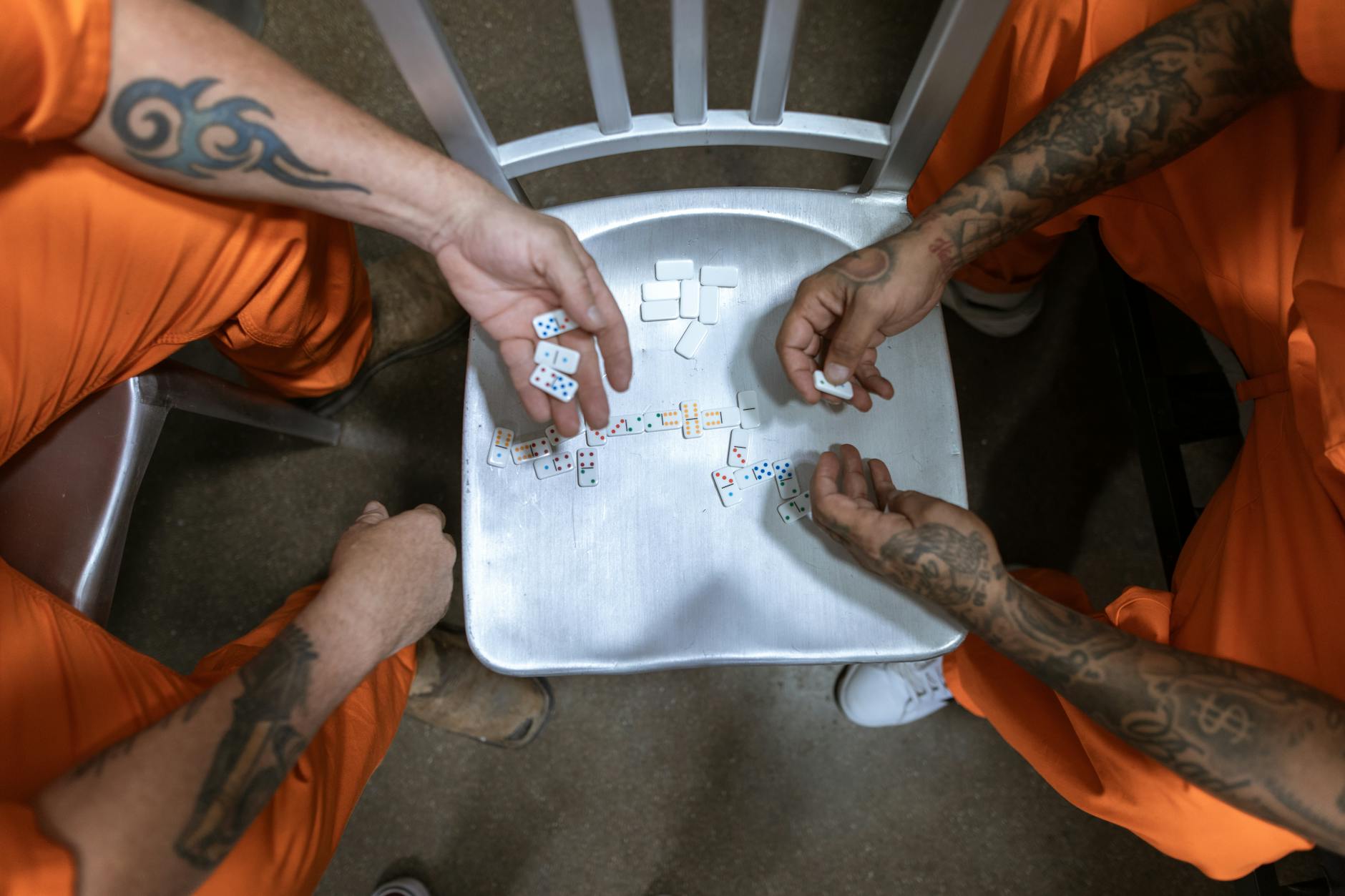
The Prisoner’s Perspective
Let me be honest: incarcerated individuals can be master manipulators. It’s a survival skill in a system designed to strip away personal power. Many of them are skilled at telling their families exactly what they need to hear to achieve their goals, whether it’s gaining sympathy, securing money, or creating a distraction from their own behavior.
When you’re speaking with a loved one on a monitored line, you must ask yourself: Are they telling me the full truth? The answer, most of the time, is no. Calls are recorded, and inmates know it. They carefully curate what they say, often exaggerating or misrepresenting situations to elicit an emotional response. Families may then believe they’re hearing an unfiltered account of life inside prison walls, leading them to perceive prisons as worse than they are.
Understanding the Context
This is not to say that prisons are free from fault. The system is rife with flaws—overcrowding, neglect, and systemic abuse are real issues. However, I often remind families to consider how their loved ones ended up in prison in the first place. For those who committed heinous crimes or displayed consistent disregard for the law, prison becomes a consequence, not a conspiracy.
To be clear, I am not referring to individuals who are wrongfully convicted, serving illegal sentences, or maintaining exemplary behavior despite a system that has failed them. These individuals exist, and they often endure their sentences quietly, focusing on rehabilitation or maintaining dignity under difficult circumstances. I rarely encounter issues with this population—they’re doing their time and keeping their heads down.
The Manipulation Game
The troublemakers are a different story. When these cases come to my attention, I address them head-on. I will not sugarcoat the truth for families who have been spun false narratives. It’s essential for them to understand that prison life isn’t fair—nor is it meant to be. Often, drama and misinformation are tools used by inmates to shift attention or manipulate situations to their advantage.
One example that stands out is the case of Beth and Ryan Stone. Beth reached out, adamant that her husband, Ryan, deserved clemency, believing his sentence to be unfair. However, Ryan’s behavior tells a different story. Despite facing sentencing for heinous crimes, Ryan was more concerned with fame, boasting about the number of social media likes he could generate and envisioning a million-dollar payout. This obsession with notoriety overshadowed any genuine desire for rehabilitation or accountability. Beth, on the other hand, seemed unaware—or unwilling to accept—the severity of Ryan’s charges. Her belief in his clemency eligibility ignored the reality of the situation: heinous crimes rarely lead to clemency. Clemency is not a right; it is a privilege, one rarely granted, particularly for individuals whose actions have caused significant harm.
Facing the Truth
Families must come to terms with the reality of incarceration. It’s not easy to hear, but often the stories being shared by their loved ones are partial truths or outright fabrications. My role is not to dismiss their concerns but to provide clarity:
- This is the reality.
- This is how the system works.
- This is the truth about your loved one’s behavior and situation.
For families struggling to navigate these waters, I encourage them to step back and ask themselves critical questions:
- Is the narrative you’re hearing consistent with the facts?
- Does the behavior of your loved one align with their claims?
- What is their motive in sharing this information with you?
Navigating Advocacy with Integrity and Purpose
Advocacy in the criminal justice system is a deeply challenging and important task. As someone who works tirelessly for those incarcerated in both state and federal facilities, I’ve learned that the way I conduct myself, especially when interacting with the Department of Corrections (DOC) or the Bureau of Prisons (BOP), directly impacts the people I represent. My actions, the tone of my communications, and my overall approach, all influence how those behind the walls are treated and how the issues they face are addressed.
One thing I’ve come to realize is that advocacy is not about emotional outbursts or making irrational demands. While it’s easy to get swept up in frustration, especially when dealing with an often unjust system, it’s crucial to maintain professionalism and respect for everyone involved—whether they are correctional officers, legislative officials, or those we’re advocating for. If we expect to be heard, we must first ensure we are speaking in a manner that encourages collaboration, rather than conflict.
For those who are advocating for their loved ones or for systemic change, it’s vital to understand that the correctional system—though flawed—is not going to change overnight. This system has been in place for years and operates on certain protocols. It’s unrealistic to think that a single outburst or social media post will alter the course of things. If you don’t agree with the way things are done, it’s crucial to find constructive ways to challenge it, not by demanding changes in ways that alienate those in positions of authority, but by being a consistent, well-reasoned voice for reform.
Advocacy is about far more than just venting frustrations. It’s about making tangible change. If we truly want to help those who are behind bars, we must be strategic and measured in our approach. This includes not only contacting the right people but also being part of serious and meaningful advocacy groups that work to bring about change on a larger scale. This means engaging with legislators, understanding the nuances of the issues, and participating in solutions that can impact everyone, not just our loved ones.
For some, advocacy is as simple as complaining behind a keyboard, but that’s not where real change happens. Posting emotional rants or attacking individuals in positions of power does nothing to advance the cause. Instead, we must ask ourselves: Are our actions truly making a difference? Are we focusing on real solutions, or just amplifying frustration?
The younger generation, especially, needs to understand that the reality of advocacy is not found in social media drama, makeup filters, or viral posts. I often notice that when testifying on bills or attending hearings, the only young people who show up are public defenders. Where are the families and loved ones of those incarcerated? Where are the advocates who should be speaking up for real change? Many of them are hiding behind filters, posting chaotic messages online instead of standing up and being heard in a meaningful way.
As we move forward, it’s essential that we do so with purpose and respect, not only for those behind the walls but also for the system we seek to change. Let’s put aside emotional outbursts and focus on tangible, long-term strategies that can make a real difference. We owe it to those we represent to advocate with integrity and to be part of a movement that focuses on genuine reform—not chaos. If we truly want change, we must be willing to approach the system with professionalism, patience, and a commitment to long-term progress.
The Importance of Moderating Advocacy and Recognizing the Complexities of the Prison System
As advocates for our loved ones behind bars, we often find ourselves navigating the complexities of the prison system and its many challenges. The frustration of dealing with slow systems, miscommunication, or technology failures can sometimes lead to emotional outbursts, but it’s important to remember that how we approach advocacy matters. Moderators and administrators of advocacy groups play a critical role in managing the conversations and ensuring they remain constructive and productive. It’s not just about amplifying voices but about guiding them toward meaningful change.
It’s okay to stop a conversation, to prevent the spread of inflammatory language, and to remind others of the reality of the system we’re dealing with. A recent incident, where the DOC system was down, highlights this point. The system was offline, and instead of jumping to conclusions or assigning blame, it’s important to remember that technology, like any other infrastructure, is fallible. Just as we wouldn’t call our governor every time the electricity goes out, we shouldn’t assume that the failure of a system or process is the fault of one individual or group. The reality is that we live in a world increasingly dependent on technology, and systems like DOC are no different.
It’s crucial to understand that running a prison facility is an enormous undertaking. There are people working behind the scenes to ensure the safety of both the incarcerated individuals and the staff. Their top priority is maintaining security and ensuring everyone is safe—both those on the inside and those visiting. We are not the ones running the prison, and we are not the ones creating the system, but as visitors, we are granted a privilege, not a right, to see our loved ones behind bars. This privilege is granted with the expectation that we respect the structure and the people involved.
If the system experiences issues, whether due to technology failures or logistical challenges, it’s important to approach the situation with patience. Write a letter, pick up the phone, or reach out to the appropriate authorities, but avoid flooding social media or group forums with multiple repetitive messages. Constantly reposting the same complaints not only diminishes the effectiveness of the communication but also creates unnecessary frustration among the community. It’s important to educate ourselves on how the system operates, understand the legal foundations, and communicate in ways that contribute to the solution, not the problem.
Too often, when things go wrong, we default to a blame game. We want to point fingers at correctional officers or other staff members, but this approach rarely leads to meaningful change. Instead of focusing on blaming, it’s better to focus on how we can advocate in a way that creates constructive dialogue. The staff inside the prison are not obligated to respond to every complaint or email, and when they don’t, it’s not necessarily a sign of negligence—it’s a reflection of the internal policies and procedures that govern their operations. It’s not personal, and sometimes, it’s not even something that requires an immediate explanation.
Running a prison facility, no matter the size, is an enormous task. Warden’s, case managers, and other staff are often under extreme pressure. They deal with complex situations daily, and many times, their actions are based on policies and procedures that we, as outsiders, may not fully understand. It’s easy to criticize, but have we ever stopped to think about the difficulties they face? A small gesture, like sending a thank-you email or expressing appreciation during the holidays, can go a long way in building goodwill. It shows that we understand the immense challenges of their roles and that we’re not simply demanding answers but working together toward a solution.
In advocating for our loved ones, we must be mindful of how we engage with the system. We have a responsibility to approach this work with respect, understanding, and a focus on real solutions. Advocacy is not about emotional outbursts; it’s about working together with all parties involved to bring about positive change. When we take the time to educate ourselves, communicate effectively, and show appreciation for the hard work being done, we contribute to a more constructive dialogue that benefits everyone—those incarcerated, those working within the system, and ourselves as advocates.

The Power of Collaboration in Advocacy: Moving Beyond Self-Interest
Advocacy can often feel like an uphill battle, especially when we’re advocating for loved ones behind bars or fighting against a broken system. However, it’s crucial to remember that the true power of advocacy doesn’t come from standing alone and fighting against the world. Instead, it comes from working together and building relationships that can create meaningful change over time.
Think about it: if you’re walking against someone, the results are likely to be minimal. You’ll hit a wall of resistance, and no progress will be made. But when you choose to walk with someone—whether it’s a fellow advocate, a correctional officer, or someone in a policymaking role—the potential for progress increases. The results might not be immediate, and change might not come as quickly as you’d like, but working together lays the foundation for stronger relationships, greater understanding, and ultimately, better outcomes for all involved.
When you’re advocating for your loved one, it’s easy to become focused on your own personal situation and struggles. However, true advocacy requires a broader perspective. It’s not just about fighting for one person—it’s about understanding the system as a whole and working to improve it for everyone. If you limit yourself to advocating for a single individual and neglect the broader picture, you’ll find yourself stuck in a cycle, unable to move forward. Advocacy is a long-term process, and without cooperation, it’s easy to get lost in the frustration of personal grievances.
As you navigate the world of advocacy, whether in the criminal justice system, corrections, or any other space, remember that it’s a give-and-take process. You cannot simply take and take without offering something in return. Every time you send an email, a message, or take a stand, ask yourself: What is the purpose of this? What is the desired outcome, and will this action lead to progress? Take a deep breath before reacting, whether it’s through an emotional email or a social media post. Think through the consequences of your actions. Is this the best way to handle the situation? Will it lead to a positive outcome?
Choosing your approach wisely is important. Just as the saying goes, “Pick and choose your poison,” there are many paths to take in any situation. Not every conflict needs to be met with confrontation, and not every frustration requires an emotional outburst. Sometimes, the best course of action is to take a step back, assess the situation, and find a solution that works for everyone involved. Positivity and respect are powerful tools in this process—especially when it comes to how you engage with others. Rather than embodying a “Karen” or a “Negative Nancy,” strive to be an example of calm, respectful, and thoughtful action.
It’s easy to get caught in the whirlwind of negativity that often surrounds online advocacy groups. Complaints, criticism, and venting have become common in these spaces, and it can be draining and discouraging for those who are genuinely trying to create change. If you feel exhausted and overwhelmed by the constant negativity, it might be time to ask yourself what you’re contributing to the conversation. Are you part of the solution, or are you adding to the problem?
To truly make an impact, especially for younger generations like Gen Z, it’s important to get involved in ways that are both meaningful and respectful. Many of the larger advocacy movements or legislative efforts take time and patience. When major bills come up in January or February, will you be ready to testify? Would you be able to stand in front of a group of strangers, composed and respectful, and make your case in a professional and impactful way? This is what true advocacy looks like—not just posting on social media or engaging in digital arguments. It requires preparation, discipline, and the ability to listen and speak with respect, even when emotions are running high.
The opportunity to make real change doesn’t always come in the form of loud protests or viral social media campaigns. Sometimes, it’s about showing up, doing the hard work, and taking the time to build trust and cooperation with those who can help you make a difference. Your actions, your tone, and your attitude will determine the kind of results you get. Will you choose to be part of the noise, or will you be part of the solution? The choice is yours.
To all the seasoned advocates who have been fighting this fight for years: it’s time to pass the torch. But do you know who will carry your power forward? Have you thought about whether the new generation is ready to take it on? If you still have the strength to lead, it’s important to ask: are they prepared? And if you decide to pass the baton, don’t hand over your anger, bitterness, or passive-aggressive behavior. That’s not the way to advocate in today’s society.
Yes, we have the freedom of speech, but it’s important to remember that freedom of speech is a privilege, not an absolute right. While it’s guaranteed by the Constitution, it can be limited or challenged in the blink of an eye. It’s like the illusion of democracy in America—one that many question in 2024, especially as we witness the complexities of the election, the criminal justice system, and the challenges within state and federal prisons.
We see how many issues plague the prison system, how understaffed and overwhelmed the workers are, and how much needs to be done to improve the system. As families with loved ones behind bars, we can be part of the solution—but this work cannot be done through negativity or emotional outbursts. Approaching it with anger and frustration will only keep us stuck in the same patterns. If we truly want to make a difference, we must advocate with patience, respect, and a clear, focused strategy. Otherwise, we risk becoming part of the problem, rather than the solution.

Advocacy That Matters
Advocacy is not about being the loudest voice in the room. It’s about being the most informed, strategic, and solution-focused. If your current approach isn’t yielding results, maybe it’s time to reflect on what you’re doing wrong.
Real change doesn’t come from emotional outbursts or a sense of entitlement—it comes from effective action. If you truly care about making a difference for your loved one, step back, learn the system, and approach it with clarity and purpose. Only then can you turn your passion into progress.
Final Thoughts
Advocacy in the corrections space is a complex, emotionally charged field. My experience has taught me to approach every situation with compassion, but also with a firm commitment to uncovering the truth. For families, the journey of supporting an incarcerated loved one is fraught with challenges, and understanding the dynamics of prison life is a crucial first step.
Advocacy can be a powerful tool for change, but it requires more than passion. It demands knowledge, strategy, and, most importantly, respect for the system and those who work within it. Whether you’re an older advocate stuck in outdated approaches or a Gen Z supporter relying on social media for guidance, it’s time to rethink how you can best support your loved one.
Because at the end of the day, the consequences of your actions—good or bad—are borne not by you, but by the very person you’re trying to help.
 Justice Unlocked.
Leave a comment