
“In times of Thanksgiving, we remember those we love, and for those behind bars, love knows no boundaries.” – Unknown
The event commonly associated with the first Thanksgiving took place in 1621 in Plymouth, Massachusetts. The Pilgrims, who had sailed from England aboard the Mayflower in 1620, endured a harsh winter. With the assistance of the Wampanoag people, including Squanto, they learned to cultivate corn, fish, and hunt local wildlife. In the autumn of 1621, the Pilgrims held a three-day feast to celebrate their first successful harvest. The Wampanoag, led by Chief Massasoit, joined the celebration. Historical records suggest the menu included venison, wildfowl, and corn, but not modern staples like turkey and pumpkin pie.
At its core, Thanksgiving is about giving thanks. It serves as a time to: Reflect on the blessings in one’s life, including family, health, and prosperity. Acknowledge the efforts of others, whether they are family members, friends, or broader communities. Foster a spirit of appreciation for what one has, even amid challenges.
The Turkey Pardon and the Question of Compassion: A Reflection on Thanksgiving Traditions
Thanksgiving is a time when many Americans gather to celebrate gratitude, family, and tradition. Among these traditions, iconic events like the Macy’s Thanksgiving Day Parade and the NFL games dominate the day, bringing people together. Yet, another Thanksgiving ritual unfolds the day before the feast: the President of the United States ceremonially pardons two turkeys at the White House.
The turkey pardon is a lighthearted event featuring jokes, speeches, and photo opportunities. It’s a charming moment in an otherwise politically charged environment, allowing Americans to embrace the holiday spirit. Typically, two turkeys are pardoned—the primary and a backup—in case the star turkey can’t “perform.” Both are spared from a fate as part of the Thanksgiving feast and sent to a farm or sanctuary to live out their days.
Since 1989, when George H.W. Bush formalized the tradition, approximately 70 turkeys have been pardoned. While whimsical, this practice prompts a deeper question: If we can pardon turkeys with such ceremony, why can’t we extend the same compassion to people in the criminal justice system?
A Tradition of Mercy—For Turkeys, Not People
The turkey pardon is a symbolic act of mercy, a feel-good story in the spirit of Thanksgiving. But it stands in stark contrast to how mercy is often withheld from people languishing in prisons. Many inmates face extreme or unjust sentences, including those on death row or serving disproportionately long terms due to systemic inequalities.
What if the President of the United States extended the idea of the turkey pardon to people? Imagine a tradition where, alongside sparing the lives of two turkeys, the president granted clemency to two incarcerated individuals. Over 35 years, this could mean 70 people receiving a second chance at life—a number equal to the turkeys pardoned.
The Cost of Inaction
As someone who has spent over 30 years working in and around the criminal justice system, I’ve witnessed the immense human cost of over-incarceration. Lives are wasted behind bars, families are shattered, and the cycle of poverty and trauma often continues unchecked. Clemency offers an opportunity to break this cycle, yet it remains woefully underutilized.
While saving animals is a noble cause, the stark reality is that we show more public compassion for two turkeys each year than for the thousands of people who sit behind bars, often for nonviolent offenses or crimes they didn’t commit. What is the common sense in that?
Thanksgiving: A Time for Reflection and Change
Thanksgiving is meant to embody gratitude and generosity. But perhaps it is also a time to reflect on forgiveness—not just in our personal lives, but as a society. The turkey pardon is a symbolic gesture, but it highlights a glaring inconsistency: our willingness to show mercy to animals while ignoring the plight of people who desperately need a second chance.
Imagine the message it would send if the president included a clemency announcement as part of this Thanksgiving tradition. It wouldn’t solve the systemic issues in our justice system, but it would be a start—a gesture that aligns with the true spirit of the holiday.
Perhaps, one day, the tradition of the turkey pardon will evolve into something more profound: an acknowledgment that mercy isn’t just for symbolic acts but for real people whose lives hang in the balance. Until then, the turkeys remain a curious metaphor for a society still grappling with what it truly means to give thanks—and to give second chances.
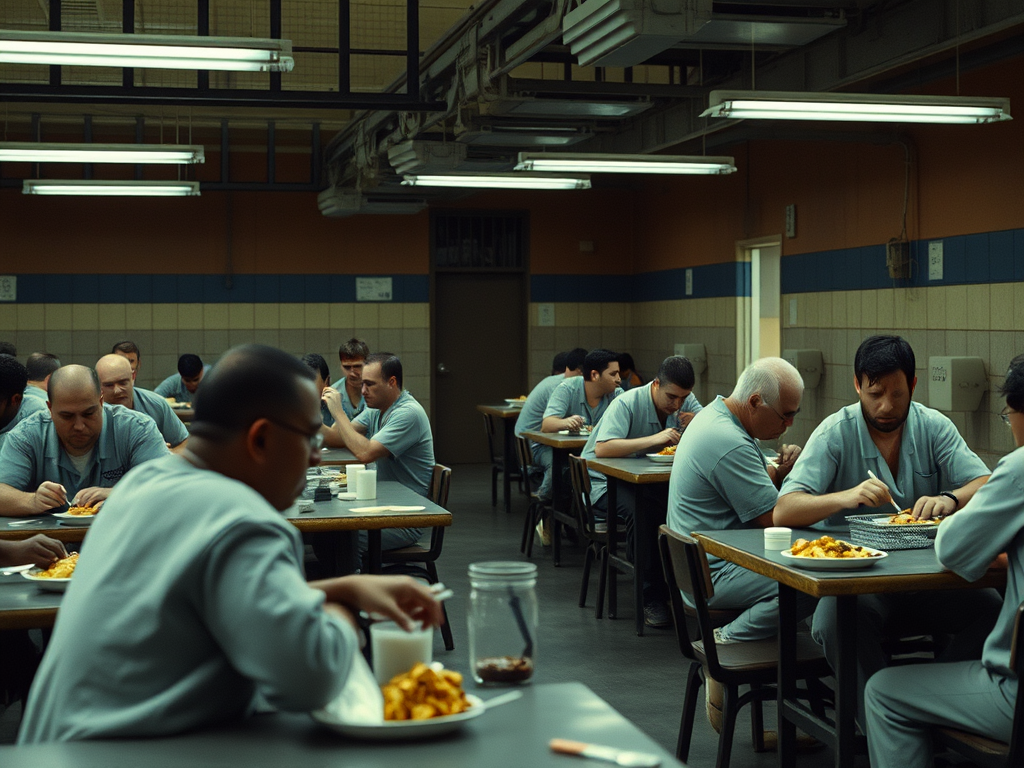
Thanksgiving Behind the Walls: A Quiet Reflection
“Thanksgiving in prison? It’s just another day,” they told me when I asked what the holiday was like behind the walls. There’s no festive buzz, no anticipation, no grand meal to bring people together. Instead, Thanksgiving in prison is a quiet, understated day, defined more by the routines of survival than by celebration.
The Morning Starts Like Any Other
The day begins with the usual rhythm: an early wake-up, followed by breakfast in the cafeteria. For some, it’s an opportunity to go to the yard and work out, taking advantage of the open rec time. For others, it’s a chance to attend a church service.
Yet, for most, Thanksgiving is a day of reflection. Without the distractions of family gatherings or holiday traditions, they navigate their way through a strange combination of routine and longing.

The Phone Lines
One of the most significant parts of the day is the phones. Everyone wants a turn, and the lines can stretch endlessly. “It’s the busiest day of the year,” one man told me.
For those fortunate enough to get through, a simple “Happy Thanksgiving” from a loved one can make the day feel a little brighter. But for others, the lines don’t move fast enough, or the call doesn’t go through. Some hear the distant ring of a phone no one will answer. It’s a quiet heartbreak—a reminder of what’s missing.
Today is not a day to miss those calls. Today is a day to wait for those phone calls.
“Prepaid phone call,” the familiar voice crackles through the receiver. The anticipation fills the room as I sit by the phone, knowing that each ring is a lifeline, a moment of connection with the outside world.
For those of us behind these walls, today is different. It’s Thanksgiving, but not the kind where the house is filled with laughter and the smell of turkey in the air. It’s the kind of Thanksgiving where we wait for that call—those few minutes of a voice we cherish, even if it’s just a few short words.
I remember the first time I heard my mother’s voice on the other end. “Hi, baby, it’s Mom.” My heart raced, like it always does when I hear those words. The call didn’t last long, just long enough to remind me that I’m still remembered. That there’s still someone out there who cares.
But today, I won’t rush to make the call. I won’t let it slip by. I know it’s coming, that one moment where I can hear a familiar voice, maybe share a laugh, maybe cry. Today isn’t just about the holiday—it’s about holding onto those moments, those few precious minutes of being connected, however fleeting.
For those of us behind these walls, Thanksgiving isn’t just about turkey or football. It’s about the phone call that reminds us we still have a place in the world outside these bars. And as I wait, I know I’m not the only one. We’re all listening for that same ringing sound, hoping that today, the voices we long for will reach us, if only for a moment.
The Meal
Lunch is the closest thing to a Thanksgiving event. The cafeteria serves a meal that’s meant to resemble a traditional Thanksgiving dinner: a slice of turkey (often dry enough to draw jokes about eating a shoe), a small scoop of mashed potatoes with gravy, mixed vegetables, and a slice of pie.
“Ice cream, though—that’s the big deal,” one man said, laughing. “Guys go crazy for the ice cream.”
But not everyone eats the cafeteria meal. Some prefer to make their own food, crafting something special from commissary items like ramen, canned tuna, or chips. It’s a way to maintain some control, to create a sense of normalcy or even celebration amidst the institutional environment.
Survival, Not Celebration
Thanksgiving isn’t a big deal for most behind the walls. “It’s not that we don’t care,” one man explained. “It’s just that thinking about it hurts too much.” Dwelling on the holiday—on family, home, and everything they’re missing—can make the day harder to endure.
Instead, many choose to focus on their routines. The familiar rhythm of a workout, a card game, or simply sitting quietly helps distract from the ache of separation.
A Different Thanksgiving
As I listened to their stories, I couldn’t help but wonder: could Thanksgiving behind bars be something more? Could it be a day of connection and humanity, rather than just another reminder of loss?
What if phone lines were opened wider or video calls made more accessible? What if the meal was just a little more thoughtful, with a touch of warmth and care? What if there were moments of reflection, gratitude, or community—opportunities to foster hope rather than simply survive the day?

Thanksgiving in the DOC
When we think of Thanksgiving, we often picture family gatherings, tables laden with food, and a warm sense of gratitude filling the air. But for the staff working in the Department of Corrections (DOC), Thanksgiving looks quite different. For them, it’s not a holiday—it’s another day at work, another shift behind the walls, another reminder that their time with loved ones has been traded for duty.
Corrections officers, medical staff, kitchen workers, and other DOC employees don’t have the luxury of staying home on Thanksgiving. Prisons don’t close for holidays. These men and women report to work, leaving their families behind, to ensure the safety and functionality of the facility.
It’s a sacrifice that often goes unrecognized. While others sit down to Thanksgiving dinner, these staff members walk the halls, supervise the yard, or serve meals to the incarcerated. For them, the sound of laughter at home is replaced by the hum of institutional life.
A Different Kind of Gratitude
In the prison setting, Thanksgiving may seem like any other day, but it carries a subtle shift in tone. Even the inmates notice. “Happy Thanksgiving, CO,” they might say, offering a rare moment of acknowledgment.
For many staff, these greetings are unexpected but appreciated. It’s not every day that someone behind the walls takes a moment to recognize the humanity of those in uniform.
“It’s different that day,” one officer shared. “You don’t expect it, but when an inmate says ‘Happy Thanksgiving,’ it reminds you that we’re all human. We’re all away from our families.”
The Invisible Effort
Staff work hard to keep the day running smoothly. Kitchen workers prepare and serve the Thanksgiving meal, often with the challenge of making the most out of limited resources. Officers manage the logistics of busy phone lines and crowded communal spaces, knowing that emotions can run high on a day when many inmates are reminded of what they’re missing.
Behind the scenes, mental health and medical staff remain on standby, ready to support those struggling with the emotional weight of the holiday.
For the staff, Thanksgiving isn’t just another day—it’s a balancing act of professionalism, compassion, and resilience.
Shared Humanity
In some ways, Thanksgiving in the DOC is a day that underscores shared humanity. Staff and inmates alike are away from their families, navigating the complex emotions that the holiday brings. While their roles and circumstances are vastly different, the sense of separation and longing is universal.
“I think it’s in their hearts,” one staff member said. “Even if it’s not spoken, you can feel it. We’re all just trying to get through the day.”
A Quiet Thanks
For those working in corrections, Thanksgiving is a day of quiet sacrifice and unspoken gratitude. It’s a reminder that while they may not be home with their loved ones, their work matters. They’re keeping a system running, providing stability in an environment that often lacks it, and—whether they realize it or not—offering a sense of normalcy to those on the inside.
As we sit down to our Thanksgiving meals this year, let’s not forget the staff in the DOC. They may not be with their families, but their dedication and humanity shine through, even behind the walls. This Thanksgiving, let’s extend our gratitude to them—for their service, their sacrifice, and their unwavering commitment to showing up, even on the hardest days.
Thanksgiving with the Forgotten: A Tradition of Redemption and Humanity
Thanksgiving in my house is anything but traditional. While most people gather around the table with family, sharing stories and food in a comfortable, predictable setting, my Thanksgiving is a bit unconventional. Every year, my table is graced by those who have experienced life on the other side of freedom—people recently released from prison, those on parole, or others who have nowhere else to go. And let me tell you, these are the best Thanksgivings anyone could ever imagine.
A Table Full of Stories
When you sit at my table, you’ll hear laughter so loud it could shake the walls, mixed with moments of raw emotion that bring tears to your eyes. The food is delicious, with none of the complaints about dry turkey or shoe-leather meals that you might hear from those who spent years eating institutional food. There’s cranberry sauce, real pumpkin pie, and dishes made with love—something everyone at the table feels deeply.
But what makes it truly special is the us—the people, the stories, the humanity that binds us together. It’s a tradition now: every year, someone new joins us. Perhaps it’s someone recently released, unsure of where they fit in this new world. Maybe it’s someone whose parole conditions prevent them from reuniting with their family. No matter their story, there’s always a seat for them here.
The Power of Belonging
For those who’ve spent years behind bars, the simple act of being welcomed can feel like a lifeline. They remember Thanksgivings spent staring at institutional trays, dreaming of the meals and moments they’d one day share with loved ones. Now, they’re here, sitting at my table, surrounded by warmth and acceptance.
They talk about the years spent behind the walls—how they celebrated holidays in the only way they could, with makeshift meals and laughter to keep their spirits alive. They talk about their families, their struggles, and their hopes for the future. And they listen, too—because these men and women, often dismissed by society, have more wisdom and kindness than most realize.
A Plate of Compassion
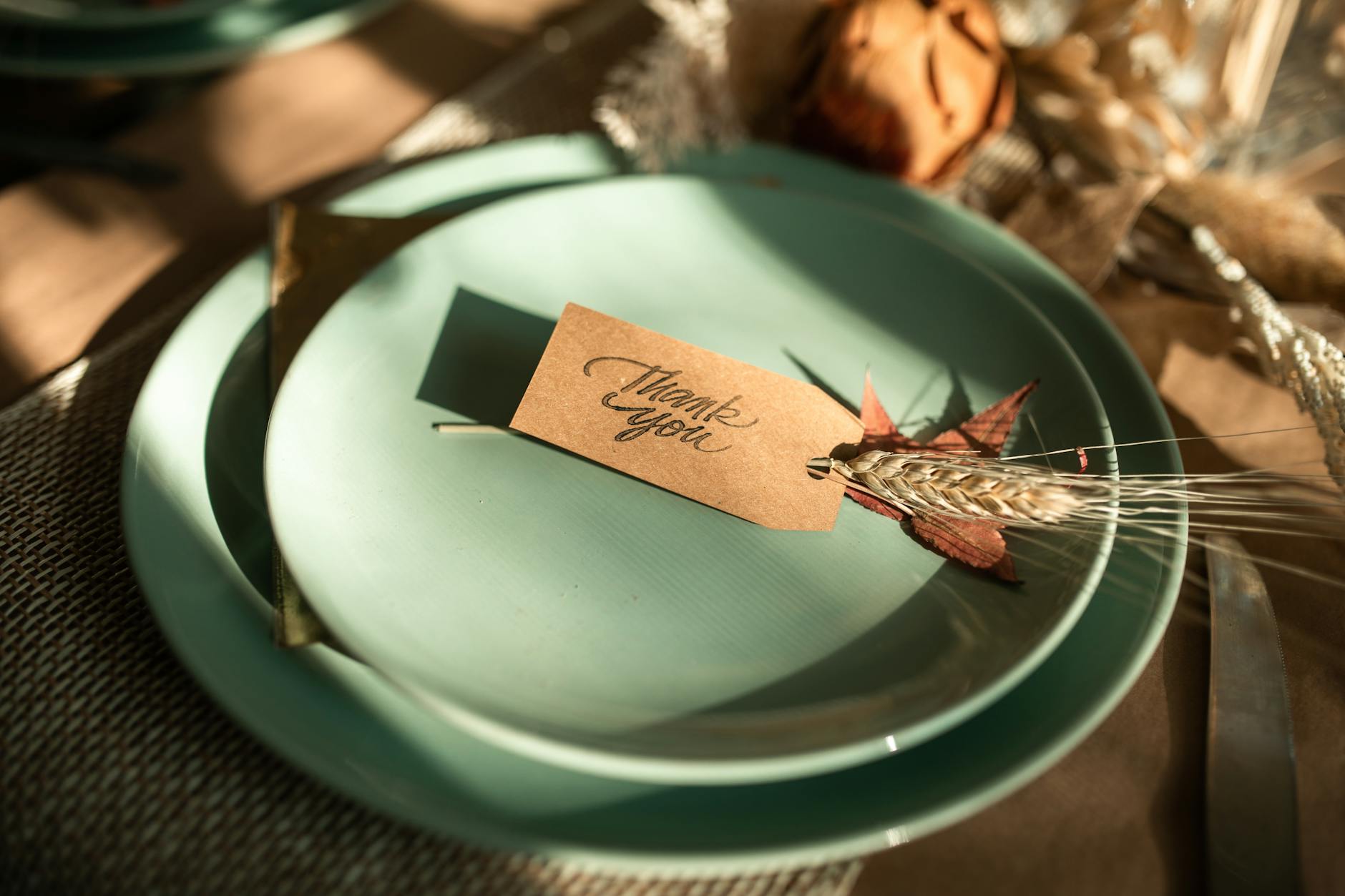
What I want to share isn’t just about my Thanksgiving table. It’s about the power of a simple act: a plate of food, a few kind words, a moment of connection.
Walk around your neighborhood this Thanksgiving. You might find someone who is alone, someone whose story you don’t know. Maybe they’ve been released from prison and are struggling to adjust. Maybe they’ve been out for years but have no family or friends to share the day with. Perhaps they’re on parole or probation, unable to visit loved ones due to restrictions.
Whatever their story, a small gesture can mean everything. Prepare a plate of food and drop it off. Say, “Happy Thanksgiving.” That one act of kindness can remind someone that they’re seen, heard, and valued.
Unexpected Friendships
You might be surprised at what you get in return. These men and women—often forgotten by society—have a lot to give. Their stories are filled with lessons about resilience, gratitude, and redemption. They’ll show you kindness and politeness that will touch your heart. And they’ll be thankful—not just for the food, but for the simple fact that someone cared enough to reach out.
This Thanksgiving, let’s think beyond our usual traditions. Let’s extend our tables, open our hearts, and remember those who might need us most. Whether it’s a former inmate, a lonely neighbor, or someone else who has been overlooked, let’s remind them—and ourselves—that Thanksgiving is about more than food. It’s about giving.
And who knows? That random act of kindness might just turn into a beautiful friendship, one that changes both of your lives.
Happy Thanksgiving. Let’s make it meaningful for everyone.
A Table of Freedom
I dream of the day my table grows so big it can hold everyone—every man and woman who has been released from behind the bars, finally free to embrace life again. I picture us all sitting together, sharing stories and laughter, passing plates of food, and feeling the weight of the past lifted, if only for that moment.
Each day, I count down to this vision, holding onto hope and fighting harder for those still trapped in a system that so often forgets their humanity. With every effort, every letter, every voice raised for justice, my purpose grows stronger and more meaningful.
One day, I believe we’ll all sit together—not just at my table, but at the table of freedom and acceptance that we’ve built together. Until then, I’ll keep fighting, because that day will be worth it all.

Thanksgiving
For those of us on the outside, Thanksgiving is a time to cherish what we have and to be with the people we love. For those on the inside, it’s a day of longing—a quiet, reflective time where the biggest gift is often a phone call, a slice of pie, or a moment of connection.
As we sit around our tables this Thanksgiving, maybe we can spare a thought for those who don’t have the same luxuries. Maybe we can consider what gratitude really means—and how we might extend it beyond our own homes to those who need it most. After all, Thanksgiving isn’t just about the food on our plates or the traditions we hold; it’s about the connections we nurture, no matter how far apart we are.
 Justice Unlocked.
Leave a comment