
“People make mistakes in life. You shouldn’t have to live with that for the rest of your life. I believe in redemption.” – Terry McAuliffe.
The Path to Personal Redemption: A Journey of Transformation
Personal redemption is a profound and transformative process that allows individuals to make amends for their past actions, rebuild their character, and strive toward becoming the best version of themselves. It is not a linear path, but one marked by courage, introspection, and perseverance. Redemption is deeply personal and resonates differently for each individual, yet its core principles remain universal: acknowledging mistakes, making amends, self-reflection, seeking forgiveness, and living with integrity.
The first step in the journey of redemption is the recognition of one’s wrongdoings. Acknowledging mistakes requires humility and a willingness to confront uncomfortable truths. It is about taking full responsibility for actions without excuses or deflection. This step lays the foundation for genuine change, as it shifts the focus from denial or avoidance to accountability. For many, this phase is emotionally challenging, as it involves facing the harm caused to others and oneself. However, it is also liberating, as it marks the beginning of the healing process. By owning their actions, individuals take the first step toward rebuilding trust and credibility.
Making Amends
Once mistakes are acknowledged, the next step is to make amends. This involves actively seeking to repair the harm caused, where possible. Making amends is not just about saying “I’m sorry” but demonstrating remorse through meaningful actions. It might involve apologizing to those affected, offering restitution, or working to undo the damage done.
In some cases, it may not be possible to directly address the harm, especially if the impacted parties are no longer accessible. In such instances, individuals can find ways to honor their commitment to change by contributing positively to society, such as through volunteer work, advocacy, or supporting others in similar situations.
Self-Reflection
True redemption requires deep self-reflection. This step involves examining the root causes of one’s behavior and identifying patterns that led to past mistakes. By understanding these underlying issues, individuals can work to change their mindset and behavior, ensuring that they do not repeat the same errors.
Self-reflection often involves seeking guidance through therapy, spiritual practices, or mentorship. These tools provide the framework to navigate the complexities of personal growth and foster a better understanding of oneself.
Seeking Forgiveness
Forgiveness is a cornerstone of personal redemption. However, it is important to recognize that forgiveness—whether from others or oneself—is not guaranteed or immediate. Seeking forgiveness requires patience, sincerity, and a readiness to accept that it may not always be granted. Equally important is self-forgiveness. Many individuals struggle with lingering guilt and shame, even after making amends. Learning to forgive oneself is essential for moving forward and embracing the possibility of a brighter future.
Living with Integrity
The final step in the redemption journey is to live with integrity. This means aligning one’s actions with the lessons learned from past mistakes and consistently demonstrating a commitment to growth and positive change. Living with integrity requires ongoing effort and accountability, as well as a dedication to the values of kindness, responsibility, and purpose.
By embodying these principles, individuals can rebuild trust and credibility over time. Their actions serve as a testament to their transformation, inspiring others and reinforcing their own commitment to personal growth.
The Transformative Power of Redemption
Personal redemption is more than an act of atonement; it is a journey of transformation. It allows individuals to reclaim their dignity, repair relationships, and contribute positively to their communities. Redemption is not about erasing the past but about learning from it and using those lessons to create a better future. Each person’s path to redemption is unique. For some, it may involve spiritual or religious practices, while for others, it might include therapy, community service, or personal commitments. Regardless of the approach, the essence of redemption lies in the courage to face one’s flaws and the determination to rise above them.
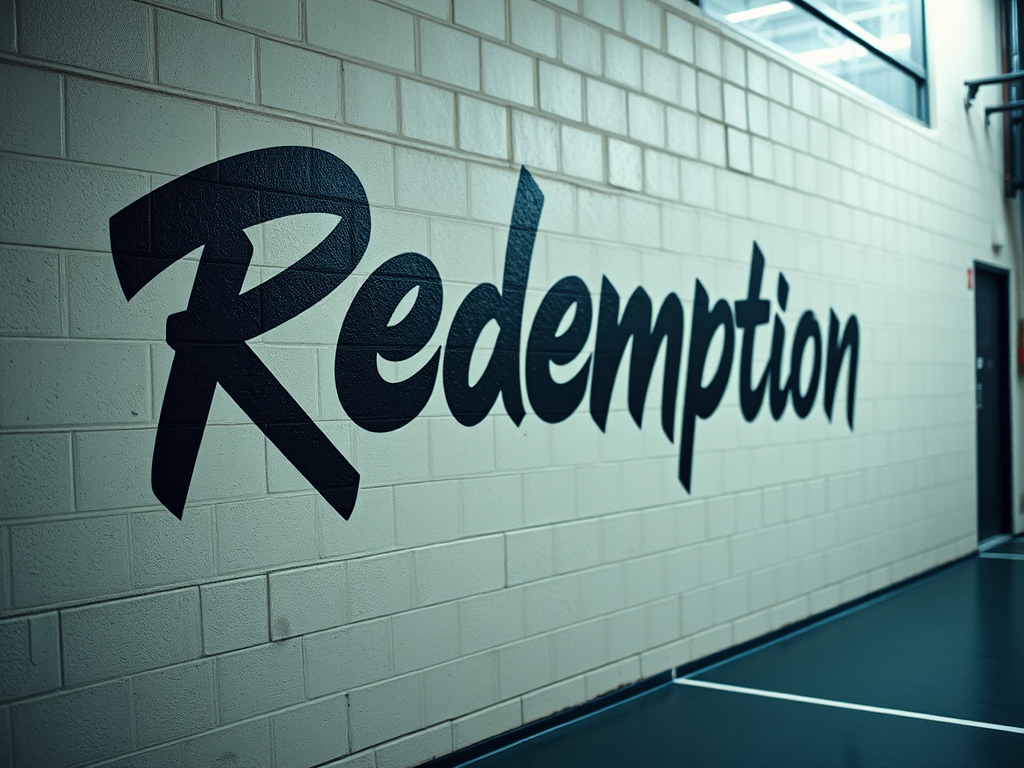
Redemption is a testament to the resilience of the human spirit. It reminds us that mistakes do not define us and that growth and transformation are always possible. By embracing the journey of redemption, individuals can find renewed purpose and the opportunity to align their lives with the values that truly matter.
The Road to Redemption: A Journey Through Reflection and Connection
Redemption is a word that carries deep personal meaning. It’s a concept that transcends boundaries, encompassing religious beliefs, personal growth, and societal expectations. For me, redemption is not just a lofty idea; it’s a lived experience, a journey filled with self-discovery, reflection, and connection.
Today, as I drove 80 miles outside of Denver, I found myself pondering this journey once more. The road was long and open, a ribbon of asphalt stretching into the horizon. The crisp blue sky and snowy landscape offered a sense of peace and clarity, reminding me of life’s ongoing cycles—like the massive wind turbines I passed, tirelessly spinning to generate energy. Those turbines felt like a metaphor for life itself, constantly in motion, searching for purpose and renewal.
My destination was the Colorado Department of Corrections (CDOC) facility in Limon, a quiet town along I-70. Limon, for most, is just a dot on the map—a stop for truckers, a pass-through for travelers. But for me, it holds a deeper significance. It’s a place where stories of redemption unfold every day, within the walls of a prison that few think about, yet many lives depend on.
When I arrived, the contrast struck me: the vast, serene landscape surrounding the facility and the heavy silence that seemed to echo from the buildings. The parking lot was filled with cars, each representing a loved one visiting someone inside. Yet, despite the starkness of the setting, there was an undeniable peace—peace in the stillness, in the calm faces of visitors, and even in the quiet resilience of those who call this place home.
Inside the visitor’s room, that peace persisted. No chaos, no loud distractions—just an unspoken understanding. Here, redemption isn’t just an abstract idea; it’s woven into every interaction, every shared moment between family and the incarcerated. It’s a reminder that, even in the most unexpected places, there is room for growth, forgiveness, and transformation.
Redemption, for me, is not about erasing the past but about facing it with courage and humility. It’s about acknowledging mistakes, seeking forgiveness, and striving to rebuild—not just for oneself but for those we’ve impacted along the way. Whether it’s the men in Limon doing their time or the families supporting them, the road to redemption is a shared journey, one filled with pain and hope in equal measure.
CrossFit Redemption: Finding Connection Beyond the Workout
The purpose of my visit to Limon Correctional Facility was to participate as a volunteer in a CrossFit workout known as the “12 Days of Christmas.” If you’re familiar with CrossFit, you know this iconic workout. It’s a challenging and often confusing sequence, where you repeatedly cycle through movements until you complete all 12. Alongside the grueling physical test is a rhythm that ties it all together, one recognized by any CrossFitter. However, the workout itself wasn’t the focus of my day—it was the people.
CrossFit is built on community, and this experience highlighted that in a way I’ll never forget. It’s not about having state-of-the-art equipment, pristine rowing machines, or the best plates. It’s about the shared energy, camaraderie, and collective will to push through something tough together. This workout, taking place before the holidays, was about creating a moment of unity and joy for those who otherwise face isolation behind the walls.

The Power of Connection
Those of us on the outside will spend the holidays surrounded by family and friends. But for the men and women in prison, this season is often a painful reminder of what they’re missing. The “12 Days of Christmas” workout was a chance to provide a moment of reprieve, a shared challenge that broke down barriers. For me, it was an honor to be invited into their space—a space that felt more like a home for those who live there than a facility for incarceration.
Walking through the yard at Limon is an experience in itself. You see a serene garden and, on this cold day, a frozen pond. Bunnies dart around like free spirits, a juxtaposition to the constraints of the place. It’s quiet, peaceful even. The perfectly maintained grounds seem almost surreal, making you question where you are.
Once inside, the visitor’s room carries a different kind of stillness. The outdated carpet, likely from the ’80s, shows its age, but there’s something grounding in the simplicity of the room. A single officer greets you, asking for your name and the purpose of your visit. Today, my purpose was to join these men for a “CrossFit Redemption” workout—a unique form of visitation, different from my usual legal advocacy visits.
Becoming Part of the Community
In CrossFit, you’re not just an individual working out; you’re part of a team. Today, I wasn’t just a volunteer —I was part of their journey, if only for a brief moment. These men welcomed me with open arms, sharing their space, their energy, and their determination. Volunteering isn’t about simply showing up; it’s about showing you care. It’s about offering your spirit and support to become a part of their community, even for an hour or two.
The workout itself was grueling, with movements that challenged every muscle. Some struggled, others thrived, but everyone pushed through together. That’s the beauty of this shared experience—it wasn’t about who finished first or who struggled most. It was about the connection, the shared struggle, and the collective triumph.

Why It Matters
For those on the inside, programs like this go far beyond physical fitness. They’re a lifeline to the outside world, a reminder that they’re not forgotten. Volunteers play a critical role in fostering this connection, offering more than just time—they offer hope.
Being there today reminded me that redemption isn’t just a personal journey; it’s a shared one. It’s about recognizing the humanity in each other and offering a hand when it’s needed most. As I left the facility, I felt humbled and grateful—not just for the opportunity to contribute but for the lessons I took away.
Redemption, after all, is about transformation. It’s about facing challenges together, breaking through barriers, and finding peace—even in the most unlikely of places.
CrossFit in Prison: Discipline, Commitment, and Redemption
Many people might be surprised to learn that CrossFit has found its way into the lives of men and women behind bars. While the public often imagines prison life as monotonous or without purpose, for some incarcerated individuals, fitness programs like CrossFit provide structure, focus, and a path toward self-improvement.
CrossFit is much more than a workout; it’s a lifestyle. It’s rooted in discipline, commitment, and community—values that resonate deeply with those working to rebuild their lives. The high-intensity, functional fitness workouts encourage individuals to face challenges head-on, persevere through difficulties, and achieve growth through resilience.
CrossFit and Its Transformative Impact
There are countless stories of people who have turned their lives around through CrossFit, including those struggling with addiction or trying to overcome the stigma of incarceration. The parallels between CrossFit and life in prison are striking:
- Discipline: Just as CrossFit demands consistent effort, prison life requires adherence to rules and routines.
- Commitment: Success in CrossFit comes from showing up and putting in the work every day, even when the movements feel overwhelming. Similarly, those behind bars must commit to self-discipline and focus on their long-term goals, such as rehabilitation and reentry.
- Overcoming Obstacles: CrossFit challenges you to push through discomfort and find solutions to seemingly insurmountable physical tasks. Incarceration, too, is about navigating obstacles, whether they’re emotional, social, or systemic, and finding ways to grow stronger.
The Role of Community
One of CrossFit’s most defining features is its sense of community. Everyone, regardless of their fitness level, supports one another, cheering on the last person to finish as much as the first. For incarcerated individuals, this camaraderie can be life-changing.
In prison, isolation and stigma often dominate daily life. Programs like CrossFit break down these barriers, fostering a supportive environment where people can connect, encourage one another, and find a sense of belonging. The shared struggle of completing a workout unites participants, reminding them that they’re not alone in their journey.

The Gym That Feels Like a Home
As you step into this vast gym, reminiscent of a high school sports facility with its towering ceilings and glossy floors, it’s not the size of the building that strikes you—it’s the warmth. The people inside transform this otherwise cold, impersonal structure into a vibrant, welcoming space. Their smiles, their heartfelt handshakes, and the energy they bring make this gym a place of connection, not confinement.
Here, the faces you meet are unforgettable. Some are adorned with tattoos, each telling a story. Names might escape memory, but the sincerity in their eyes stays with you. Laughter echoes across the room, filling the space with a joy that belies the environment outside. It doesn’t feel like a prison. It feels like a family gathering—a diverse group of strangers united by a shared purpose, transforming the ordinary gym into an extraordinary space of humanity.
Every detail is intentional. The setup includes barbells, kettlebells, jump boxes, and perfectly arranged stations. Even the correctional officers can’t help but smile, caught in the infectious spirit of the event. There’s a feeling in the air, an unspoken bond, as participants prepare to face challenges together.
This event is more than a workout; it’s a celebration of community, resilience, and hope. Every handshake, every smile, every moment of camaraderie feels like an honor—a rare privilege extended to those who are willing to connect beyond walls and labels. It’s a world not everyone gets to see, a space where people come together, not just to compete but to uplift one another.
To be invited into this world is to be reminded of the power of shared experiences and mutual respect. It’s not just about the event itself but the humanity it fosters—a moment where everyone in the room, no matter their background or circumstance, is part of something greater.
Not everyone will have the chance to enter this world, but for those who do, it’s unforgettable. It’s a privilege, a reminder that even in the most unexpected places, connection and community can thrive.
CrossFit Redemption: A Journey of Commitment and Kindness
CrossFit Redemption isn’t just a program—it’s a lifeline, born from resilience and perseverance. It began at Limon Correctional Facility, a place that has seen its fair share of challenges, from the COVID-19 pandemic and lockdowns to leadership changes within the Department of Corrections (DOC). Yet, through it all, the athletes and coaches have never faltered. They show up, day after day, fully committed to their workouts and to each other, proving that redemption is as much about internal transformation as physical endurance.
When you witness these athletes, their dedication is palpable. Their workouts aren’t just about building strength; they’re about building character. They help each other, correcting form, encouraging one another, and creating a space that feels more like a community than a gym. Despite limited access to equipment, their ingenuity shines. Stations are thoughtfully arranged, movements are synchronized, and each exercise is laid out with precision—testament to the care and respect they have for the program and for one another.
This environment isn’t just about fitness; it’s about breaking down barriers and finding humanity in unexpected places. The men and women involved don’t make excuses—they rise to the challenge, working tirelessly not only to transform their bodies but also to reclaim their sense of self-worth and dignity.
For those on the outside who skip workouts due to minor inconveniences or lack of motivation, consider this: these individuals overcome significant obstacles daily, yet they show up, pushing themselves with an unwavering sense of purpose. Their workouts are more than physical; they are a path to redemption, a testament to resilience and hope.
The “12 Days of Christmas” workout, often grueling for anyone who attempts it, takes on a deeper meaning here. It’s a reminder of families with empty chairs at holiday gatherings and of lives being rebuilt behind walls. Dedicate your next workout to these men and women—to their courage, their discipline, and their determination.
And for those who failed to show up, missing the chance to volunteer and witness this remarkable community, you missed more than a workout. You missed the opportunity to see kindness in its purest form—a type of compassion that stands in stark contrast to the materialism and judgment often found in the outside world.
In prison, time seems to pause. The moments spent working out alongside these individuals are timeless and invaluable. Their lives, filled with struggle yet brimming with hope, remind us of what truly matters: respect, integrity, and the power of human connection.
CrossFit Redemption is more than a program—it’s a movement. It’s about proving that even in the most challenging circumstances, people can rise, redefine themselves, and build a community rooted in strength, kindness, and redemption.

Finding Humanity in Motion: A CrossFit Journey Inside the Walls
Redemption Road CrossFit is a testament to resilience, growth, and the transformative power of movement—both physical and emotional. For me, this visit to Limon Correctional Facility was deeply personal. It wasn’t just about witnessing a workout or supporting a program; it was about meeting my friend Michelle’s husband, Matt, for the very first time. Seeing Matt thrive despite being wrongfully convicted was nothing short of inspiring. It reinforced a profound truth: no matter the circumstance, we have the power to turn adversity into strength.
Matt, like so many others in this program, is making the best of a difficult situation. His perseverance reminded me that even when life feels uncomfortable or unjust, facing challenges head-on and refining our approach can lead to mastery. This philosophy mirrors CrossFit itself. The movements are tough and sometimes awkward, but repetition and determination lead to perfection—and ultimately, transformation.
The stories within these walls are as compelling as the workouts themselves. One of the coaches, whose life sentence was recently overturned, will soon have the chance to reunite with his family. The hope and joy in his story ripple through the entire community. Then there’s “Santa”, a man in his sixties, whose dedication to fitness and mentorship is nothing short of remarkable. He’s a beacon of support, encouraging younger participants to push themselves while modeling resilience and determination.
And how could I forget the “gangster” in the green hat? At first glance, his tattoos and tough demeanor might seem intimidating, but his kindness and leadership shine through. He counted my reps, corrected my form, and encouraged everyone around him. His actions exemplified the camaraderie and accountability that define CrossFit Redemption.
The workout itself—12 Days of Christmas—was a whirlwind of organized chaos. It’s a notoriously complex routine, and even seasoned athletes can struggle with its stations and movements. Yet, the men worked together with remarkable focus and respect. When someone made a mistake, they fixed it with patience and grace. No one was left behind, and everyone supported one another.
There was no music blasting from speakers as you’d find in a traditional CrossFit gym. Instead, the sounds of clapping, encouragement, and shared effort created a rhythm of their own. It was raw and powerful—a reminder that sometimes, the loudest noise comes from the energy we create together.
By the end of the workout, I was physically drained but emotionally fulfilled. We finished with prayer, a group photo, and the kind of memories that linger long after the sweat has dried. The men invited me to return—a gesture that touched my heart deeply. Their invitation wasn’t just about another workout; it was an acknowledgment of mutual respect and connection.
This experience was a profound reminder that even in the harshest environments, humanity prevails. These men, through their dedication, kindness, and teamwork, have created a space where they can reclaim their dignity and strive for redemption. It’s a privilege to be part of something so extraordinary, and I can’t wait to return.
Redemption Road CrossFit isn’t just about fitness; it’s about hope, transformation, and the enduring strength of the human spirit.
The Return: Reflections on Redemption Inside the Walls
Walking back into the Limon Correctional Facility can evoke a complex array of emotions—even when you’re returning as a volunteer. For those who’ve done time there, the experience is both deeply personal and profoundly challenging. Two of our volunteers, who themselves served sentences in this very prison, shared their feelings about returning. One of them, having left Limon only two years ago, expressed it best: “It’s strange. I can’t explain it—it’s like you have PTSD, fear, anxiety, and excitement all at once. You’re going back to the place you know better than any other, and to the people you spent years with. It’s everything together.”
This reflection sheds light on a phenomenon many may not understand: why some people who’ve left prison find solace in returning, even if just to volunteer. There’s a sense of familiarity, trust, and connection inside the walls that contrasts sharply with the “real world.” Life outside is unkind and unforgiving, rife with survival struggles and an often brutal lack of compassion. Inside, among those who understand your journey, there’s a bond, a sense of belonging that’s difficult to replicate anywhere else.
For one volunteer, Aaron, it was her very first time in a prison setting. As a woman entering such an environment, it could have been overwhelming, but she excelled. She embraced the challenges, participated in the “12 Days of Christmas” workout, and was warmly welcomed by the men. They pushed her limits, cheered her on during pull-ups and complex movements, and celebrated her efforts. Her experience reflected the spirit of the day: camaraderie, mutual respect, and shared determination.
The workout itself was intense and unforgettable. We all gathered—volunteers and inmates alike—in a shared spirit of resilience and teamwork. By the end, we were physically exhausted but emotionally uplifted. The photo taken that day captured more than just a moment; it encapsulated a shared journey of hope and effort. One day, I imagine us sitting together around a table, reminiscing: “Do you remember that workout?”
Leaving Limon that evening, the contrast between the prison environment and the outside world couldn’t have been starker. Walking through the darkened halls and stepping into the parking lot, we said our goodbyes. But for those of us leaving, redemption took on a different meaning. For the men staying behind, redemption was about continuing their daily fight for self-improvement, connection, and purpose. For us, it was about reflecting on what truly matters.

As I left Limon and retraced my route back to Denver, I couldn’t help but feel gratitude—for the peaceful drive, for the lessons learned, and for the reminder that redemption is always possible. It’s not a destination but a journey, and we all have the power to take that first step, no matter where we’ve been.
The drive back to Denver gave me time to think. As the city lights approached, so did the noise, the chaos, and the endless demands of daily life. In that moment, I realized that the most important things in life aren’t the material ones—not the Christmas tree or the presents beneath it. It’s the people. It’s the men we left behind who greeted us with smiles and sent us off with genuine “See you later” farewells. It’s their dedication to self-betterment, their determination to make the most of their circumstances, and their willingness to welcome us into their world with open arms.
For me, the experience of working out alongside these men—and being inspired by their resilience—is too precious to let go. I’ll be back, even if it means driving alone each week. Because what I’ve found inside those walls is an experience like no other. It’s a reminder of the strength of the human spirit and the transformative power of connection.
And yet, as volunteers, we leave them behind. We step out into freedom while they remain inside. It’s a sobering reality, but also a call to action. If we can bring even a small measure of hope, encouragement, or joy into their lives, then it’s worth every mile and every moment. Because in the end, redemption isn’t just about what they achieve inside—it’s about how we can all grow, together.
Changing Perceptions Through Fitness
Introducing CrossFit into correctional facilities also helps shift societal perceptions. Those who participate demonstrate that they’re capable of transformation, both physically and mentally. These programs highlight the humanity of incarcerated individuals, showcasing their determination, resilience, and ability to overcome adversity.
CrossFit in prison isn’t just about fitness; it’s about redemption. It offers participants a chance to redefine themselves, take ownership of their lives, and build habits that will serve them long after they leave the facility.
For those outside the prison walls, programs like these serve as a reminder of the power of second chances. Volunteering, donating equipment, or even simply supporting initiatives that bring CrossFit into prisons can have a profound impact. These opportunities create bridges of understanding and give individuals a chance to reintegrate into society stronger and more self-aware.
CrossFit is more than a workout—it’s a metaphor for life. And for those behind bars, it’s a way to reclaim their identity, one rep at a time.
Redemption Road Crossfit | Rehabilitation for Inmate-Athletes
 Justice Unlocked.
Leave a comment