
SCC offers care management, mentoring, and vital resources to assist formerly incarcerated individuals in reestablishing their lives and becoming successful members of the community.
CHANGING THE SYSTEM
In addition to being a vital resource for the formerly incarcerated, the Second Chance Center is committed to systematic reform and advocacy.
We are dedicated to championing criminal justice reform and advocating for the rights of those affected by the justice system. Our goal is to reverse the negative impact of incarceration on communities and create a more just and equitable system for all.Learn more about the integral reform legislation that we have helped push through
Colorado, particularly the Denver Metro area, boasts an overwhelming number of nonprofit and reentry organizations. Their stated mission: to help individuals transition back into society, often after incarceration. Yet, when we shift our focus beyond Denver to regions like Colorado Springs, Pueblo, and Fort Collins, a troubling trend emerges—these communities are frequently neglected. Moreover, the nonprofit landscape in Colorado raises an important question: Are these organizations truly helping people, or are they profiting under the guise of goodwill?
Where is the Help?
For individuals leaving prison, reentry organizations are supposed to provide critical services—housing support, employment resources, mental health care, and financial assistance. However, the reality often contradicts their promises. Reports from underserved communities, including white males, registered sex offenders, and marginalized groups who “don’t fit the profile,” suggest they are routinely turned away or overlooked. This leaves vulnerable individuals scrambling for resources while organizations continue to receive donations, grants, and government support.
In communities outside the Denver Metro area—such as Pueblo, Fort Collins, and Colorado Springs—reentry services are virtually nonexistent. Residents in these regions are left to fend for themselves, despite statewide funding and resources being allocated for “statewide reentry programs.”
Second Chance Center or ‘Second Shit Center?’
Take the Second Chance Center, founded in 2012. On paper, it claims to help formerly incarcerated individuals rebuild their lives. However, a closer look exposes an unsettling reality. Walk into their parking lot: luxury cars gleam in the sun. Staff flaunt expensive watches, gold jewelry, and designer clothing—hardly the image of individuals dedicated to helping struggling community members.

Where does the money go?
Second Chance Center has received significant donations, grants, and funding over the past decade. The organization claims to use these funds to provide job training, housing assistance, and support. Yet, evidence suggests a disconnect. Individuals most in need, such as registered sex offenders, white males, and others who do not meet an unspoken “profile,” are often excluded. In contrast, those with ties to the organization—particularly former inmates now employed there—seem to reap the benefits.
The Founder: A Cover or a Cause?
Another glaring issue is the founder’s religious affiliations being used as a public relations tool. It raises questions: Is this genuine advocacy, or is religion being weaponized to create a favorable public image? Can a tiger really change its stripes, or are we witnessing a calculated maneuver to mask deeper issues?
Nonprofits as Lavish Lifestyles
Nonprofits in Colorado are increasingly becoming synonymous with wealth rather than charity. These organizations are supposed to serve as lifelines for people facing the harsh realities of reentry. Instead, many resemble personal empires where donations fuel lavish lifestyles. Houses, luxury cars, high-end accessories—where is the accountability?
Meanwhile, individuals who are in genuine need—regardless of race, gender, or background—are left behind. These nonprofits seem to prioritize profit over purpose, undermining their very mission.
Looking Ahead: Exposing the Truth
This is just the beginning. Over the coming weeks, we will continue to uncover the truth behind nonprofits in Colorado. Who are they really helping? Where is the money going? And most importantly—how can we hold these organizations accountable?
Communities across Colorado deserve better. Vulnerable populations need real support, not empty promises. It’s time to pull back the curtain and demand transparency, integrity, and action from organizations that claim to serve the people.
Second Chance Center: Scrutiny, Suspicion, and Shifting Agendas
Nonprofit organizations are often seen as pillars of community support, designed to uplift the vulnerable and restore lives. Yet, when we peel back the layers of Second Chance Center, a nonprofit based in Colorado, unsettling patterns emerge. From flashy leadership to questionable financial filings, the integrity of this organization deserves a closer look.
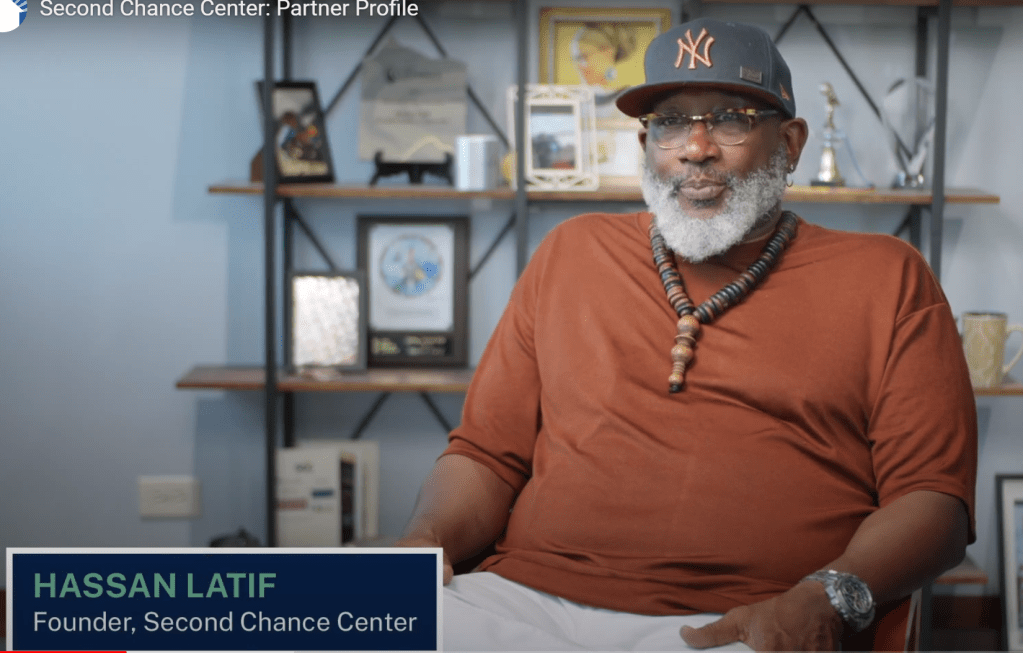
The Founder: Who is Latif Hassan Abdal?
Latif Hassan Abdal, the founder of Second Chance Center, claims to help formerly incarcerated individuals reintegrate into society. Abdal, who served 14 years in prison, projects a carefully curated image—attending events in fitted shirts, designer watches, and diamond earrings. But appearances raise questions: Is this the face of a selfless advocate, or does it point to something more opportunistic?
- Abdal’s Past: Records show that Abdal came from New York and started Second Chance Center in 2012, operating initially out of an apartment complex. While it’s possible the organization began with genuine intent, its evolution paints a different picture.
- Is the Tiger Changing its Stripes? Abdal’s transformation—whether religious, personal, or financial—invites skepticism. Did rebranding himself as a community leader erase his criminal past, or has it simply given him a new way to manipulate the system?
Latif founded Second Chance Center in 2012, initially running the program out of his car with little more than a trunk full of clothes, boots, and copies of his book, Never Going Back: 7 Steps to Staying Out of Prison. In just seven years, the organization has become Colorado’s largest community-based reentry program. Today 2019, Second Chance Center employs a staff of 20 and serves around 1,300 people each month, including parolees, individuals on intensive supervision, and those completing their sentences in halfway houses. The program offers mentorship, employment services, and social support, maintaining a recidivism rate under 10 percent—far below the state and national averages, which hover around 50 percent.
The program has received national recognition, with organizations like the Urban Institute and Public Welfare Foundation citing it as a model for successful reentry. Latif attributes the program’s success to one simple reason: most of his staff have walked the same path as their clients.
Latif’s own story began in Brooklyn, where he grew up surrounded by violence and struggled with early addiction to cocaine. At 21, he was convicted of manslaughter after a drug deal turned violent. He served three years in some of New York’s toughest prisons before returning to a familiar cycle of using and dealing drugs. Even when he moved to Colorado, his addiction followed him.
“That person—I don’t recognize him anymore,” Latif reflects. “He was quick to resort to violence, didn’t respect others’ health, property, or well-being, and justified everything he did.”
Latif was later convicted of armed robbery and served nearly 18 years in the Colorado DOC. During his incarceration, he spent the first 15 years focused on fighting his charges. But eventually, he shifted his focus to preparing for life after prison. Upon his release in 2006, Latif entered addiction treatment, completed a year-long program, and began rebuilding his life. His initial goals were simple: stay sober, avoid crime, and work hard.
A few years later, Latif became certified in addiction counseling and worked as a case manager at a reentry program. While committed to helping others, he grew frustrated with the program’s limitations, particularly its 50 percent recidivism rate. He believed true success required more than employment and housing—it required addressing clients’ substance abuse, mental health, and self-worth.
“Checking boxes wasn’t enough,” Latif explains. “You could give someone a job and a place to live, but if something inside them was still broken, they wouldn’t maintain the progress.”
When the program shut down in 2011, Latif saw an opportunity to create something better. It was the turning point that led him to establish Second Chance Center, a program built to address both the practical and emotional challenges of reentry. Today, his vision has helped thousands of people, including Rollerson, break free from the cycle of incarceration and reclaim their lives.
He decided to take matters into his own hands, driving his red 2002 Jaguar around, searching for people who might need his help. “If I saw someone at a bus stop, for example, wearing khaki pants, a khaki jacket, and plastic sneakers, I knew where they were coming from. It was easy to pull over and start a conversation,” Latif explains. “But more importantly, I started finding my way into halfway houses, practically begging to lead substance-abuse support groups. That’s where I had the opportunity to sit down and talk to people about the things I believed they needed to consider and prepare for.”
When the newly established Second Chance Center received its first federal grant, Latif knew exactly what kind of team he wanted—people as dedicated to the mission as he was, who wouldn’t see the work as just another job. Two names came to mind immediately: Sean Taylor and Adam Abdullah.
Taylor was only 17 when he was convicted of first-degree murder for his involvement in a gang-related shooting. He turned himself in the day after the incident. Despite having no prior record, he was tried as an adult and sentenced to life in prison, with parole eligibility set for 2029—when he would have been 57 years old.
Latif first met Taylor in 1992 at the Limon Correctional Facility, where Taylor was still a teenager. “He was the first—and remains the only—person I’ve ever met in prison who was devastated by the crime he committed, not the life sentence he received,” Latif recalls. “I got to know him through that lens, watching his struggle as he tried to distance himself from his past affiliations and carve out a completely different path for himself.”
During this time, Latif became the spiritual leader of his cell block. His discipline left a lasting impression on Taylor—something he hadn’t seen in any of the men from his own upbringing. “He taught us how to live in a disciplined way. He actually taught us to read and speak Arabic. Like, who else was doing that?” Taylor reflects.
Taylor’s exemplary conduct in prison ultimately worked in his favor. In 2011, after serving 22 years, his case became one of the first four reviewed by then-Governor Bill Ritter’s juvenile clemency board. Ritter commuted his sentence, moving up his parole eligibility date by 18 years.
Once released, Taylor made his way to the re-entry program where Latif was already working. By then, Latif had also connected with Abdullah, who had just completed a 33-year sentence and walked into the office looking for a way to contribute.
“At first, I thought finding work for [Abdullah] might be a challenge,” Latif admits. “He was about 65, with a white beard. So, during a lunch break, I asked, ‘Brother, what kind of job are you looking for?’ And he said, ‘I’m not looking for a job, brother. I just finished working 33 years and three months for the federal government.’”
Abdullah then showed Latif a stack of certificates—about an inch and a half thick—including two associate’s degrees. “I remember thinking, ‘That’s a terrible waste of education and training,’” Latif recalls.
Together, Latif, Taylor, and Abdullah moved Second Chance Center out of Latif’s car and into a small office space on Lima Street. They began referring to themselves as the “Founding Fathers” of Second Chance Center: three Black men who had collectively served 75 years in prison.
“Understandably, people were watching us closely, wondering, ‘What exactly are those guys up to?’” Latif says with a laugh. [1]
Follow the Paper Trail
Nonprofits must submit regular filings to maintain compliance, but Second Chance Center‘s records tell a concerning story:
- Leadership Instability: In April 2024, Abdal stepped down as the registered agent for the organization. The position was handed to Khalil Halim. Before that, another individual, Damond McCready, served in the role.
- Frequent changes in leadership often signal deeper instability or attempts to obscure accountability.
- Financial Red Flags: How much money does this organization actually handle, and where does it go? Other Colorado nonprofits have recently been exposed for mismanaging funds while employing only a handful of people. Could Second Chance Center be following a similar path?
When nonprofits claim to serve the vulnerable, transparency is essential. The lack of clarity here should concern the community—and anyone funding these efforts.
Criminals Running Community Corrections?
David Coleman—now associated with halfway houses and community corrections—stands out as a glaring example of the system’s failures. Coleman, whose past remains a point of concern, should never have been entrusted with this role. Yet, here we are.
This isn’t just about Coleman. It’s about a bigger, systemic issue: The criminals are running community corrections. The alignment between individuals like Coleman and organizations like Second Chance Center exposes the cracks in our reentry programs.
- Denver’s Leadership: The timing couldn’t be more coincidental. With a new mayor in office—one already facing allegations of corruption—nonprofits like Second Chance Center seem to be thriving unchecked. Is this a case of political favors, or simply a lack of oversight?
Blocked Questions, Blocked Voices
When I publicly questioned Second Chance Center on their Facebook page, I was met not with answers, but with silence. They blocked me—an act reminiscent of playground immaturity, not professional transparency.
- Why block someone asking valid questions? If an organization is proud of its work, shouldn’t it welcome scrutiny? Instead, Second Chance Center chose to silence a critic, raising even more doubts about their integrity.

Religion and Image: A Convenient Shield?
It’s impossible to ignore how Abdal’s identity—specifically his religious transformation—has played a role in his public image. While many find faith in prison as part of rehabilitation, it’s fair to question whether religion here is being used as a shield.
Does adopting a new identity erase past behaviors, or does it serve as a convenient mask? When someone wears wealth on their sleeve—figuratively and literally—it’s hard not to wonder about their true intentions.
The Religious Dynamics at Second Chance Center: An Intersection of Faith and Purpose
At the heart of the Second Chance Center is a mission of redemption, community rebuilding, and empowerment for those transitioning back into society. However, the religious aspect of the organization—particularly the Islamic faith practiced by its founders and many of its key leaders—sometimes raises questions about gender roles and the workplace environment.
The Religious Influence on the Organization
Islam, like many other religions, holds spiritual principles that emphasize discipline, charity, and community service. These tenets are reflected in Second Chance Center’s core mission: providing formerly incarcerated individuals with tools for re-entry, offering mentorship, and creating pathways to success. Founder Hassan Latif and his colleagues, many of whom converted to Islam during their time in prison, credit the faith for instilling the discipline and sense of purpose they now channel into their work.
When visitors first walk into the Second Chance Center, they might experience a unique atmosphere influenced by this faith. For example, during prayer times (Salah), staff members pause their activities for worship, which can create a brief waiting period for clients or visitors. While this can feel unusual or “awkward” to outsiders unfamiliar with Islamic practices, these moments reflect the organization’s commitment to spiritual balance, which the founders see as key to personal growth and stability.
Gender Dynamics in the Workplace
One of the more sensitive topics surrounding Second Chance Center is the role of women in leadership and staff positions. Islam, as a religion, has often faced scrutiny regarding women’s rights, with critics pointing to restrictive cultural interpretations in some regions. However, it’s essential to distinguish between religious teachings and cultural practices.
At Second Chance Center, some observers note that women hold fewer leadership roles compared to men. The organization, however, emphasizes that this is not due to a lack of respect for women but rather the practical dynamics of the community they serve. Many of the men who work at or visit the center share similar backgrounds: incarceration, struggles with addiction, and a need for male mentorship. In this context, Latif and his team explain that male leaders can often serve as relatable role models for men seeking to rebuild their lives.
That said, women are undeniably vital to Second Chance Center’s success. Female staff members oversee critical administrative functions, provide counseling, and contribute to program development. Their roles are pivotal in creating a supportive and balanced environment for both male and female clients.
Addressing Challenges for Clients
Many individuals seeking help from the Second Chance Center operate under strict supervision schedules, often dictated by parole or probation requirements. For these clients, every minute counts. The interruptions caused by prayer times or delays in staff availability can feel frustrating. However, staff members at Second Chance Center strive to balance their spiritual practices with the urgency of their clients’ needs.
The founders argue that these religious practices are not barriers but instead strengthen the organization’s commitment to serving the community. By embracing a disciplined, faith-based approach, they believe they can better guide individuals toward accountability, growth, and a meaningful second chance.

Second Chance Center: A Broken Promise for Reentry Support?
Staff Jesse Inman hung up on my friend during conversation about housing and is be unwilling to help someone who’s trying to help themselves. Stated he had 10 people in the lobby and hung up. Does he think my friend’s situation is not important about housing. He’s going to lose this apartment because Jesse said he doesn’t have the time basically to help. How sad. Very disappointed
The worst stupidest idiots lied and told my friend she was “graduating” from a class. She went to the trouble of inviting a family member and they just wanted to humiliate her and tell her she didn’t make the cut. The teacher Ralph was a two time ex. Con Cho Mo. These are despicable people who only give chances to people who are not obviously white
It would help if they were a lil less judgemental and more encouraging instead of looking at you with a toe to head look and giving you a look at what do you want. How eazy they forgot they too have criminal and homelessness backgrounds.. being more polite would also help instead of greeting people like people and not ex gang members .. just saying
Ever since Sean left. It’s a completely different program. Was in prison with Sean and Latifah. It’s not like it was.
I WOULD NOT recommend this sorry place for no incarcerated loved one. My husband got denied because I called and asked why his mental evaluation was not done when it was supposed to be on 6/5/23. The ONLY thing we were waiting for was that and after I called and talked to Courtney who sits in her car and has random people come up while she’s on zoom appointments because it happend on my husbands but shes supposed to be professional and lord knows what that was. But so she denied my husband because I called and asked what was going on. That is sorry. Supposed to be called 2nd chance but you deny someone for no reason at all? If I could give this place negative stars I would. They don’t even deserve one Star.
Horrible experience. When I first was released from prison, I went here for resources and assistance with reintegration. I scheduled an appointment and went to SCC at the previously agreed upon time to meet my care manager. The receptionist was rude and uninterested when I arrived. I waited an hour and a half to see my care manager and wasn’t able to see anyone. I finally had to leave because waiting any longer would have caused me to miss curfew. I never went back. Seven months later, I was contacted by a care manager named CJ who stated they were dropping people from their enrollment who weren’t active. I told CJ of my prior experience with SCC, and she insinuated it was my fault. Still, I took another chance and went to SCC. This time, I had to wait to be let in while 2 receptionists did their nails at the front desk. Once inside, I waited for 30 minutes, and still no one came to see me. I left and went back to work. Later that day, I called CJ. We confirmed that I would come in later that day at 4 pm. I arrived there at 4 pm (they closed at 4:30). I waited for another 15 minutes and still was not seen. The second chance center has let me down at every turn. There are many others like me who have had the same experience. What’s worse is that I work at a different community organization, and when I went to SCC in a professional capacity, I was treated exactly the same way. I showed up 5 minutes early to a scheduled meeting and waited for an hour but was never seen. All in all, I would say all of my experiences were negative, and I empathize with those going to second chance center searching for help.
Still waiting for a call back lol been weeks Alison let’s her personal opinions decide
Who she helps She’s my case manager, and she has never returned
One phone call or one email and i’ve never met her
The Second Chance Center (SCC), an organization once celebrated for helping individuals transition from incarceration back into society, has recently faced a wave of alarming criticisms from the very people it claims to serve. Stories of mistreatment, unprofessionalism, and a general lack of compassion have surfaced, raising questions about whether SCC has lost sight of its mission to uplift and empower.

Denied Help When It Matters Most
One recent incident highlights a troubling trend: staff member Jesse Inman reportedly hung up on a client during a conversation about urgent housing needs. The client, who is on the brink of losing their apartment, reached out for assistance—only to be told that Jesse was too busy with 10 people in the lobby. Instead of addressing the situation or offering alternatives, Jesse abruptly ended the call. This action not only dismissed the severity of the client’s predicament but also conveyed a clear message: their struggles weren’t important enough to warrant attention.
How can SCC call itself a reentry resource when it refuses to help someone who is actively trying to help themselves? Housing stability is one of the most critical components of successful reintegration, yet it appears that staff members are unwilling to prioritize those in need.
A Culture of Humiliation and Disrespect
Another client shared a heartbreaking story about being misled and humiliated. She was told she was “graduating” from a class and invited a family member to celebrate her progress. Upon arrival, she was instead told she “didn’t make the cut.” Not only is this behavior unprofessional, but it is also deeply harmful to someone trying to rebuild their life.
To make matters worse, the class instructor, Ralph, is reported to be a two-time ex-convict with a troubling past as a “Cho Mo” (a term referring to child molesters in prison slang). Assigning such an individual to mentor vulnerable clients raises serious ethical and safety concerns.
These incidents are not isolated. Numerous reviews describe SCC staff as dismissive, judgmental, and unhelpful. One former client wrote:
“They look you up and down from toe to head with a judgmental glare, as if asking, ‘What do you want?’… Ever since Sean left, it’s a completely different program.”
It’s worth noting that Sean, a former staff member, appears to have been well-regarded by clients for his understanding and dedication. His departure seems to have marked a turning point in SCC’s decline.
Systemic Issues and Broken Trust
Several individuals have reported being denied assistance for seemingly arbitrary reasons. One client’s husband was rejected from SCC programs after she called to inquire about a delayed mental health evaluation. Instead of addressing the issue, the staff member, Courtney, allegedly retaliated by denying the husband’s application outright. If true, this behavior reflects a dangerous misuse of power and a lack of accountability.
Other clients describe experiences of being ignored and neglected:
- Long wait times despite scheduled appointments.
- Staff engaging in unprofessional behavior, such as doing their nails at the front desk or conducting personal activities during work hours.
- Case managers failing to return calls or emails, leaving clients stranded with no support.
These patterns suggest a systemic breakdown in leadership, professionalism, and client care—issues that directly contradict SCC’s mission.
Mismanagement and Financial Transparency
Beyond poor service, there are growing concerns about SCC’s funding and financial practices. The organization receives grants, public funding, and donations to support its programs. However, critics have questioned whether SCC is producing measurable outcomes or merely benefiting from a steady flow of public money.
Notably, SCC has been absent from Aurora City Council meetings, where nonprofit funding requires clear accountability. One commenter remarked:
“Aurora specifically said no more money for nonprofits who cannot produce receipts. I wonder if SCC can even show where their funding is going.”
If SCC is indeed failing to deliver on its promises, it has an obligation to its funders, clients, and the community to address these issues transparently. Nonprofits exist to serve, not profit—and SCC’s leadership must be held accountable for any misuse of resources.
A Plea for Change
At its core, SCC’s purpose is to help individuals overcome the immense challenges of reentry—homelessness, unemployment, mental health struggles, and stigma. These are real issues that demand empathy, respect, and action. Yet the experiences shared by clients paint a troubling picture of an organization that has lost its way.
Founder Hassan Latif and his leadership team must confront these concerns head-on. Dismissing criticism will only deepen the mistrust. Instead, SCC should view these reviews as an opportunity to reflect, improve, and rebuild its reputation. Real change begins with humility, accountability, and a renewed commitment to the people they serve.
To those seeking help, SCC’s failures are more than disappointing—they are a betrayal of hope. Clients deserve better. Reentry is about second chances, but it’s time for SCC to prove that it deserves one too.
The Enigma of Second Chance Centers and Federal Prisons
In the landscape of the American correctional system, Second Chance Centers stand as a crucial, albeit controversial, part of the reentry process. These facilities are designed to provide a bridge between incarceration and reintegration into society, offering services like job placement, housing assistance, and educational support. However, there is a stark reality that few outside of the prison system are aware of—these centers are not universally accessible for all inmates, particularly those within federal prisons.
When I worked for the Federal Bureau of Prisons (BOP) in Colorado, I observed strict policies preventing inmates from transitioning directly to Second Chance Centers. As a case manager, I was instructed that these facilities were off-limits to federal prisoners under any circumstances. This policy was not arbitrary; it was a result of a long-standing practice, shaped by the type of offenders typically managed within federal prisons.
Federal prisons are home to individuals convicted of serious crimes, often involving drug conspiracies, gang affiliations, or violent offenses. The residents of these facilities are usually considered high-risk, and their associations with criminal enterprises are often extensive. The concern for security and control is paramount, leading to restrictive policies around their placement post-release. This environment fosters a degree of isolation from community-based programs like Second Chance Centers, which offer a semblance of normalcy and community integration.
The Second Chance Center Dilemma
The policy exclusion of federal prisoners from Second Chance Centers is steeped in concerns about potential threats to security and the integrity of the rehabilitation process. These centers are meant to support individuals in their transition back into the community by providing services such as employment assistance, housing, and educational opportunities. However, federal inmates with significant criminal backgrounds and gang affiliations represent a different challenge. Their involvement in the criminal underworld does not cease upon release; in some cases, they continue their illicit activities even within the rehabilitative confines of these centers.
A notable incident occurred just two years ago when a federal inmate managed to secure a position within a Second Chance Center. Despite strict rules, he managed to go undetected while running a drug distribution network out of the facility. This case brought to light the flaws in the system’s ability to monitor high-risk individuals effectively within community-based programs. The inmate used the guise of reentry services to cover up his criminal activities, which were only discovered when his network collapsed under law enforcement scrutiny.
The Role of Misconceptions and Misunderstandings
The apparent failures in oversight at Second Chance Centers are often compounded by misconceptions and biases held by staff and management. These centers, despite their noble goals, can unintentionally contribute to a cycle of recidivism if not properly managed. There is an unspoken perception that those within federal prisons, particularly high-profile gang members or repeat offenders, are not truly capable of reform. This perception feeds into a more general societal stigma that labels them as “unchangeable,” reinforcing a narrative of irredeemability.
Additionally, there have been instances where some program leaders within Second Chance Centers appear to exploit their positions, manipulating vulnerable individuals for personal gain. There are stories of inmates being set up with housing and employment only to have those resources withdrawn when they are needed most. This practice not only hampers the reintegration process but also fosters a sense of distrust and resentment among former inmates towards the system itself.

The Corruption Within the System
The corruption within these centers extends beyond personal exploitation and includes financial misconduct. There are allegations of mismanagement of funds intended for reentry services, with some staff members embezzling money that was supposed to aid in reintegration efforts. In other cases, money meant for the community is used for luxury accommodations, political contributions, or personal enrichment. This financial manipulation undercuts the moral foundation of the reentry process and perpetuates a cycle of inequity.
Moreover, the “laundering” of money within the system is not just about physical cash but also involves manipulating statistics to show higher rates of successful reentry. This “success” rate is often inflated by placing individuals in low-risk jobs, not by actually supporting their long-term needs. The result is a skewed representation of the system’s effectiveness, which can perpetuate harmful stereotypes and limit opportunities for genuinely reforming those who need it the most.
Next Steps: Uncovering the Truth
2025 is poised to be a pivotal year for exposing these conspiracies and unearthing the true state of community corrections. It’s time to examine the hidden financial and ethical practices within Second Chance Centers and federal prisons. There needs to be transparency in funding allocations, admissions policies, and oversight practices. This includes a deep dive into how money flows within these programs and how decisions are made regarding who is allowed into Second Chance Centers and why.
As we move forward into the next chapter, it is crucial to ask hard questions about the systemic issues that allow such abuses to persist. What kind of safeguards can be implemented to ensure that Second Chance Centers fulfill their promise of reform without compromising on safety and integrity? How do we strike a balance between providing opportunities for redemption and protecting the community from potential threats? These are the questions we need to address as we work towards a more just and effective correctional system.
Here’s the question: Why did Hassan give up his child? Why would he suddenly relinquish something he raised, something he gave birth to? What happened at the Second Chance Center that led to this? Was he threatened? Did someone have dirt on him, ready to expose the truth about who he really is? Why is there now a new director who is a registered agent—so strange?
Of course, everyone has their own skeletons in the closet. We all do. But the question is, how big and severe are they? I’ll delve into a specific case involving a federal indictment—a possible sex case—how severe the damage could be, who knows? Well, it came to my attention through a confirmed source that there might be a reason why Hassan was only a founder. He was simply pushed out of the position as director. He may claim he’s old, that he wants to work with the Coalition, do all kinds of things, but it seems he is still very much involved, albeit not in the way he wants.
You can be old and still have a pulse on your “baby.” This is your child—your Second Chance Center. But if Hassan is not the director, what happened? Here’s the funny thing: I have a source who confirmed that there is apparently a tape—a video recording—that is so incriminating and disgusting that if it ever comes to light, the sun and Second Chance Center’s survival would be at risk. It would ruin them completely, tarnishing their credibility, their business, and how they treat certain people within their circles.
Do I expect Hassan to make a comment on my article? Do I think he’ll come after me for defamation of his character? Not a chance. He’s a coward—so afraid of me that during the coalition meeting, he stormed out and kept a good distance. It seems to me there’s only one “gangster” in this town—there’s no Hassan.
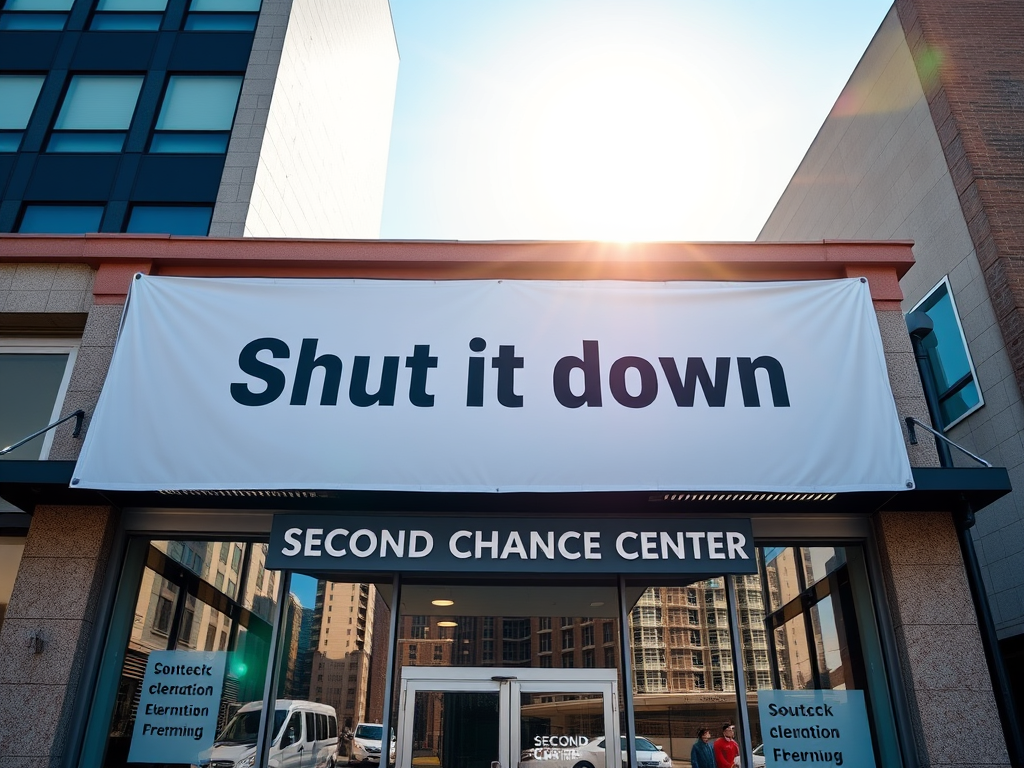
A Call for Accountability
The nonprofit world relies on trust. Second Chance Center, like any organization funded by donations and grants, owes the public full transparency. Here’s what we need to demand:
- Clear Financial Reporting: Where is the money going? How much are leaders earning, and how much actually reaches those in need?
- Stable Leadership: Why are registered agents and directors changing so frequently?
- Community Oversight: Who is holding nonprofits accountable, especially when they claim to help vulnerable populations?
At its core, this isn’t just about one organization. It’s about the broader issue of accountability within nonprofits, community corrections, and local government. When we allow questionable figures to lead these efforts, we betray the very people these systems are meant to help.
I’m not afraid to keep asking questions. I’m not afraid to call out corruption where I see it. And I won’t stop demanding answers until the truth comes to light.
Second Chance Center may have started with good intentions, but intentions mean nothing without integrity.
Stay Tuned: This is just the beginning. In the following chapters, we will delve deeper into the individuals who have fallen through the cracks, the programs that exploit them, and the ways we can rebuild this broken system from the ground up.
- Beyond Bars: Hassan Latif Gives Former Inmates Like Himself a Second Chance Second Chance Center in Aurora helps formerly incarcerated people transition back to society by providing not just resources, but mentorship and community from people who have shared similar struggles. By Sara Fleming December 17, 2019
Disclaimer: This article discusses a real story involving real people and real events. It is published with the intention of informing and raising awareness about the complexities of such narratives. The content does not intend to defame or slander any individuals, and there are no legal consequences associated with the publication of this story regarding defamation or character slander.


 Justice Unlocked.
Leave a comment