Reentry after incarceration is a challenging and deeply personal journey. It requires resilience, support, and a system designed for success rather than failure. Yesterday, as I picked up my loved one from prison, we had an eye-opening conversation about the realities of reentry. It reaffirmed my belief in fighting for what is right and dismantling what is wrong. This brings me to the Second Chance Center, a nonprofit organization that claims to facilitate successful reentry. But do they?
A Troubling Reality
The Second Chance Center, established in 2012, has been a significant player in Colorado’s reentry efforts. However, over the last 13 years, the organization’s actions and impact have raised more questions than answers. Despite receiving substantial funding, numerous individuals report that the help promised is not delivered. These are not isolated complaints; they paint a consistent picture of disillusionment.
How much funding has flowed through this organization in over a decade? Imagine the potential impact if that money had been channeled into genuine, results-oriented programs instead of a system many believe is plagued by inefficiency and corruption.
Disconnected and Ineffective
Second Chance Center operates in Aurora, yet its presence and advocacy in the community are conspicuously absent. They are not seen engaging with local governance, attending city council meetings, or actively pushing for resources to address reentry challenges.
Meanwhile, Aurora faces pressing issues: homeless veterans standing on street corners, formerly incarcerated individuals struggling to secure housing, and neighborhoods riddled with drugs, gangs, and human trafficking. Housing programs tied to Second Chance Center seem cloaked in secrecy, with little transparency about their criteria or operations. Who gets these housing opportunities? Is favoritism or personal gain involved? These are uncomfortable yet essential questions.
A System That Fails
The broader system enabling Second Chance Center also deserves scrutiny. State and county officials, including those who oversee grants, share responsibility. The Department of Corrections (DOC) must also be held accountable, especially under previous leadership that supported questionable partnerships.
The current DOC administration under Director Stancil appears to be striving for meaningful change, but systemic barriers remain. Achieving success in reentry is hard enough without misaligned resources and organizations that seem to prioritize profit over purpose.
Reentry is not about lip service or empty promises; it’s about genuine support. It’s about ensuring that individuals have housing, employment, mental health resources, and a fighting chance to rebuild their lives. Colorado needs reentry programs that prioritize integrity, transparency, and community engagement over self-serving agendas.
This issue extends beyond Second Chance Center. It’s a systemic problem requiring accountability at every level, from local nonprofits to government oversight. We must demand better for those trying to turn their lives around and for the communities that deserve safety and support.
As I reflect on my conversation yesterday, I am reminded of the importance of defining truth, fighting for what’s right, and dismantling what’s wrong. It’s time to hold organizations like the Second Chance Center accountable and redirect resources to programs that genuinely support reentry and rebuild lives.
The fight for reentry reform is far from over—but it starts with exposing the truth.

Corruption and Favoritism: Unveiling the Fishy Business at Second Chance Center
Behind the façade of Second Chance Center’s (SCC) mission to provide reentry services lies a web of favoritism, questionable practices, and connections that raise concerns about the integrity of its operations. At the heart of these revelations are the rapid career ascensions of individuals such as Damond Macready (better known as Khalil Halim), Dave Coleman, and Rashid Jordan.
Damond Macready: The Name Behind the Curtain
To understand the dynamics at SCC, one must first address Khalil Halim, whose legal name is Damond Macready. Establishing this connection is critical, as it underscores a pattern of rebranding and a lack of transparency that seems emblematic of the organization.
Dave Coleman: A Job Handed, Not Earned?
Dave Coleman’s meteoric rise to the position of care manager at SCC shortly after his entry into community corrections at Dahlia raises eyebrows. The swiftness of his placement prompts questions about the organization’s hiring processes. Was he the most qualified candidate, or did personal connections play a role in his appointment?
This example epitomizes how positions at SCC may be distributed based on relationships rather than merit, a troubling indication of a flawed system.
Rashid Jordan: A Rapid Rise Through Connections
Rashid Jordan’s journey from self-employed handyman to Community Corrections Liaison is even more alarming. His ascension appears to have been facilitated by his close friendship with Adam Abdullah (formerly George Smith), a figure with whom he shared time in the federal prison system.
This role, previously held by professionals like Jamie Ray and Kelly Booker, has historically been a demanding one. Ray and Booker managed the responsibilities independently, even during periods of increased workload following halfway house closures. In contrast, Jordan’s tenure was supported by a college intern, whose presence was notably highlighted as an asset to his performance.
Jordan’s progression within SCC, rising to be the third-most influential individual in the organization, seems less about capability and more about personal ties and shared faith with influential figures like Abdullah.
Favoritism Undermines Credibility
The recurring theme of favoritism at SCC undermines its credibility as an organization that ostensibly prioritizes community support and reentry services. By prioritizing personal connections over qualifications, SCC risks alienating those genuinely in need and erodes trust in its operations.
The Need for Accountability
These examples highlight a broader issue within SCC: the lack of oversight and accountability. The organization’s leadership must address these allegations and ensure that its hiring and promotion practices align with its stated mission. Without transparency and integrity, SCC’s ability to serve as a reentry hub is compromised, leaving vulnerable populations to bear the brunt of its shortcomings.
Second Chance Center was founded on the premise of providing opportunities and support for those reentering society. However, the favoritism, nepotism, and questionable practices revealed here suggest a deeper systemic issue. As public trust in SCC wavers, the organization must take meaningful steps to rebuild its credibility by prioritizing merit and transparency over connections and favoritism.
The stories of Macready, Coleman, and Jordan serve as cautionary tales, urging a reexamination of how reentry programs operate and the ethics guiding their decision-making processes. Without these changes, SCC risks becoming a symbol of the very corruption it should be fighting against.
Second Chance Center and Enterprise: A Closer Look at Racial Equity and Reentry Housing
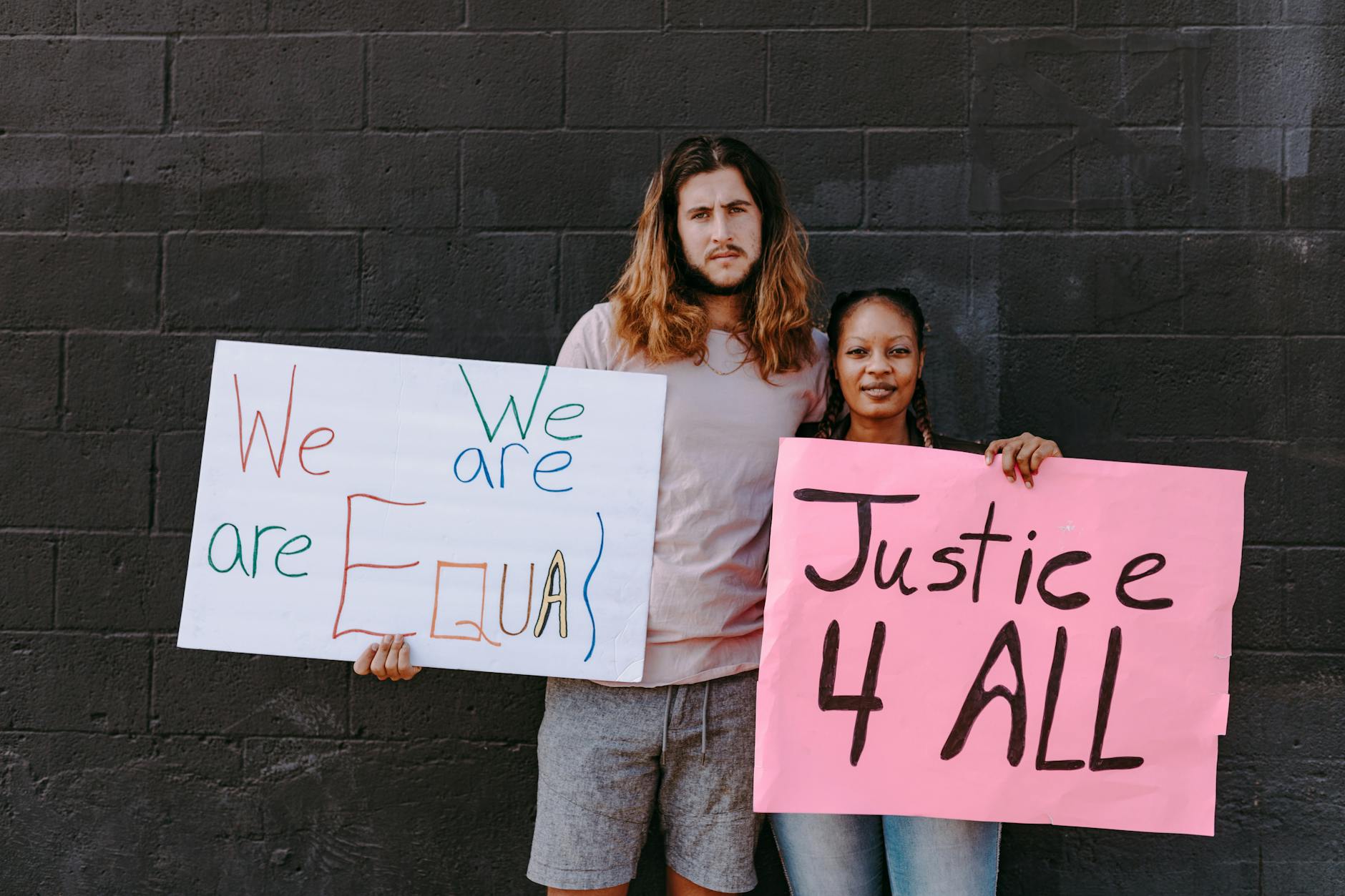
Racial Equity refers to the condition in which an individual’s race or ethnicity no longer predicts their socioeconomic outcomes, and everyone has fair access to opportunities and resources regardless of their racial or ethnic background. It is achieved by identifying and eliminating systemic barriers, biases, and inequities that disproportionately affect certain racial groups. Racial equity involves more than equality, which assumes providing the same resources to everyone; it acknowledges that historical and systemic disadvantages have created unequal starting points for different groups. To achieve equity, resources and opportunities are distributed based on need to address these disparities.
Second Chance Center (SCC), a Colorado-based reentry organization, recently collaborated with Enterprise Community Partners on an initiative showcased in a polished commercial promoting affordable housing. The ad highlighted SCC’s founder, Hassan Latif, alongside testimonials about their work in providing supportive housing for formerly incarcerated individuals. On the surface, it paints a picture of success and progress. However, beneath the veneer of inclusivity and equity, critical questions about its motives, impact, and fairness remain unanswered.
“Every month in Colorado, approximately 900 individuals are released, with 80% of them returning without stable housing. Imagine trying to resettle in a new place without having a safe environment to start over. There are reentry agencies dedicated to helping formerly incarcerated individuals transition to lives of success and fulfillment.
Many of us have walked the same prison yards as those who come to us for services, so we can serve as examples of how life can change if one commits to doing things differently.
When we first sought housing placements for our clients, we had very few options. As a result, we were placing people in hotels up and down Colfax Avenue. Enterprise was the organization that first supported us. They understood the urgent need for housing for our specific population and believed in our vision. They stood behind us, brought in professionals to teach us what we needed to learn, and provided critical support.
Even supporters and allies were skeptical, often discouraging us by saying, “No one gets tax credits on the first try.” However, Enterprise stepped up and showed their support. Their belief in us made others take us seriously. With their help, we secured a bridge loan and launched our first project, Providence at the Heights (PATH)—a 50-unit permanent supportive housing development.
Our second project, Residences on Acoma, features 128 units. This project is not just about supportive housing; it also includes 68 units dedicated to workforce-affordable housing and apprenticeship programming.
Enterprise is consistently working to increase the supply of affordable housing across Colorado. While our nonprofit partners focus on serving residents, Enterprise takes on the critical role of fundraising. They pass resources through to partners, including federal Section 4 grants and other vital funding.
Racial equity is at the core of everything Enterprise does. They prioritize communities that have been disproportionately impacted by the real estate market, working with partners statewide to ensure equity is built into every initiative.
When we talk about the impact of Enterprise’s focus on equity and their support of Second Chance Center, it’s clear they have empowered us to take bold steps forward. They’ve positioned us to become first-time developers as Black men and formerly incarcerated individuals, serving a marginalized population like ours.
I believe this is not just evolutionary—it’s revolutionary. I hope Enterprise’s support of Second Chance Center and our development process inspires others to realize that such transformative work can be done in their own communities, offering a template for how to make it happen “Founder SCC Hassan .

Enterprise’s Role and Funding
Enterprise Community Partners, a nonprofit specializing in affordable housing initiatives, has substantial resources, including a $2 billion donation from MacKenzie Scott, philanthropist and ex-wife of Jeff Bezos. With these funds, Enterprise has positioned itself as a major player in housing equity.
In the commercial, Enterprise lauds its partnership with SCC, funding projects like the Providence at the Heights (PATH) and Residences on Acoma. These developments aim to provide housing for individuals reentering society after incarceration, claiming to address racial inequities and support marginalized populations.
Who Truly Benefits from These Projects?
While SCC’s commercial centers on reentry, the emphasis on racial equity raises questions about inclusivity. SCC and Enterprise explicitly focus on the African American community, claiming to address historical disparities in housing access. However, critics argue that this focus inadvertently excludes other racial groups and fails to serve the broader reentry population equitably.
For example:
- Is SCC prioritizing African American individuals over others within the reentry system?
- Are resources being allocated to address the racial equity agenda rather than meeting the needs of all reentry clients, regardless of race?
This raises concerns about whether the initiatives truly embody the principles of equal opportunity or if they lean toward racial exclusivity.
Affordable Housing or Racial Agenda?
The commercial frames the projects as solutions for “affordable housing,” but affordability remains subjective. For many formerly incarcerated individuals, access to stable housing is a monumental challenge. SCC acknowledges that over 900 individuals are released from incarceration monthly in Colorado, with 80% lacking stable housing. However, housing affordability for reentry populations often intersects with other barriers, such as employment discrimination, systemic biases, and lack of resources.
Critics of SCC’s approach point out that:
- The focus on racial equity may overshadow the urgent need for inclusive reentry housing.
- The projects appear to cater predominantly to specific demographics, neglecting the broader reentry population.
- SCC’s leadership, as showcased in the commercial, fails to address how these developments will equitably serve all clients.
A Question of Transparency and Priorities
The polished portrayal in SCC’s commercial contrasts sharply with concerns about favoritism and transparency within its leadership and operational practices. As highlighted in previous critiques, SCC has a history of promoting individuals based on personal connections rather than merit, raising doubts about its commitment to fair practices.
Additionally, the commercial’s focus on racial equity raises questions about whether SCC’s true mission—supporting formerly incarcerated individuals—is being overshadowed by broader sociopolitical agendas.
The Bigger Picture
While SCC’s collaboration with Enterprise has undeniably brought attention and funding to reentry housing, the initiative leaves much to be desired in terms of inclusivity and equity. Reentry is a multifaceted challenge requiring solutions that address the needs of all individuals, not just select groups.
By focusing heavily on racial equity, SCC and Enterprise risk alienating other marginalized groups and creating divisions within the reentry community. If these organizations are to fulfill their missions, they must prioritize transparency, inclusivity, and a genuine commitment to serving all individuals equally.
Second Chance Center and Enterprise Community Partners have made strides in addressing housing challenges for reentry populations, but their approach warrants scrutiny. True equity requires a balance between addressing historical disparities and meeting the diverse needs of today’s marginalized populations.
For SCC, the path forward must involve clearer communication, equitable resource allocation, and a broader focus on inclusivity. Otherwise, the organization risks undermining the very principles it claims to uphold, leaving many in the reentry community questioning where they stand in the pursuit of second chances.
How Much Money Did Second Chance Center Really Obtain? Unpacking the Grants, Connections, and Controversies
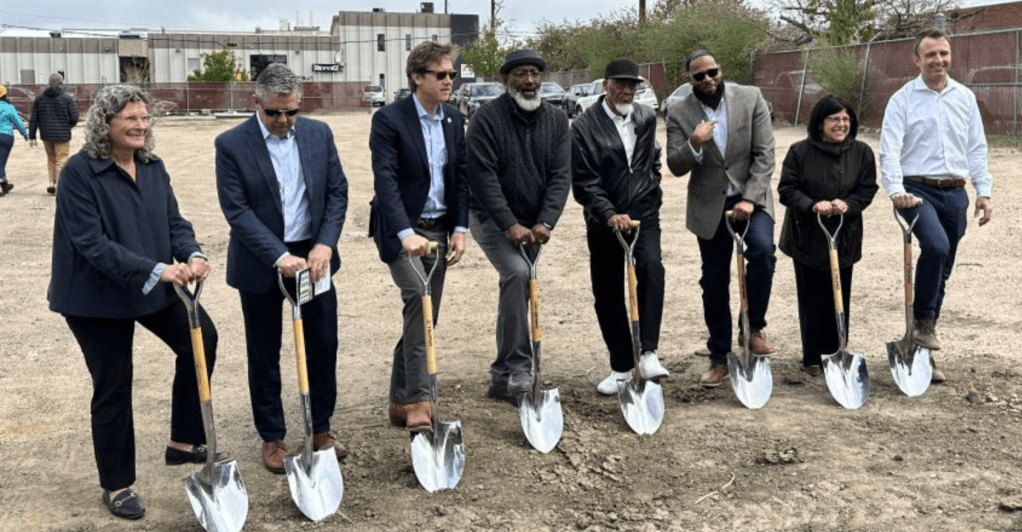
On May 6, the Second Chance Center, a Colorado-based nonprofit focused on assisting formerly incarcerated individuals, broke ground on its ambitious new project—Residences on Acoma. The development boasts 128 income-restricted homes in Denver, including 60 supportive housing units for households earning 30% or less of the area median income and 68 units dedicated to individuals experiencing homelessness or transitioning out of the justice system. This significant milestone has raised many questions about the extensive funding and the political ties surrounding the project.

A $5.35 Million Gap and More: Who Funded It?
The Residences on Acoma project received substantial financial backing from several sources:
- Denver’s Homelessness Resolution Fund and Affordable Housing Fund: $5,350,000 in gap financing and $1,350,000 for support services over 15 years.
- Enterprise Community Partners: Provided $16 million in Low-Income Housing Tax Credit equity, $4 million in state credit equity, $2.5 million in low-interest loans for site acquisition, and $1 million for predevelopment costs.
In total, the project secured tens of millions of dollars in funding. However, the lack of transparency surrounding how these funds were allocated and who else competed for these grants has sparked concern.
Mayor Mike Johnston’s Role: The Political Connection
Denver Mayor Mike Johnston was a prominent figure at the groundbreaking ceremony, praising the initiative’s potential to address the city’s affordable housing crisis. However, Johnston’s involvement raises questions:
- How many meetings, dinners, and lunches occurred between Second Chance Center’s leadership and Johnston before the funds were awarded? Critics argue that this could point to favoritism in the grant-awarding process.
- Johnston has faced mounting criticism for his handling of Denver’s worsening homelessness crisis and skyrocketing housing costs. Many view his public support for Residences on Acoma as an attempt to deflect attention from his administration’s shortcomings.

Lack of Transparency in the Grant Process
The allocation of such substantial funds invites scrutiny. Key questions include:
- Who else applied for these grants? Were smaller, community-based organizations with equally compelling projects overlooked?
- What criteria were used to determine the recipients?
- Was the decision process truly impartial, or were political connections a factor?
Breaking Down the Impact: Who Benefits?
While the Second Chance Center’s mission of helping formerly incarcerated individuals is laudable, the execution of this project has raised some eyebrows:
- Workforce Housing: A portion of the units will be available to individuals who are employed or in apprenticeship programs—a move that could prioritize certain populations over others.
- Support Services: While these services are integral to breaking cycles of recidivism, critics argue that the long-term sustainability of the project could be jeopardized if funding priorities shift.
Calls for Accountability and Transparency
The scale of this project and the funding it has garnered make it imperative for stakeholders to demand greater transparency:
- Independent Audits: Conducting third-party audits to verify how funds are spent and ensure compliance with grant terms.
- Public Disclosure: Releasing detailed information about the grant application and decision-making process to foster trust in how public and private funds are allocated.
Money from Colorado Department of Local Affairs: Affordable Housing Support Fund Allocations Due November 1, 2023
The Colorado Department of Local Affairs has allocated significant funding to address the state’s ongoing affordable housing crisis. Among the notable recipients is the Second Chance Center, Inc., a nonprofit organization awarded $6,350,000 for the construction of the Residences on Acoma. This 128-unit housing project is designed to support individuals involved with the justice system, offering both permanent supportive housing (PSH) and affordable units.
The Residences on Acoma: Project Details
Located at 1501 S. Acoma Street, Denver, Colorado, the Residences on Acoma project will provide 60 units of PSH for individuals at 30% of the area median income (AMI). These units are specifically designed for justice-involved individuals who need stability and support upon reentry into the community.
The remaining 68 units will be affordable housing set at 60% AMI, targeted at individuals exiting incarceration. This mixed-use model combines PSH and affordable housing, a strategy supported by the Division of Housing (DOH) and the Office of Homeless Initiatives (OHI). The DOH has committed 60 state project-based vouchers to support the PSH units, alongside Tenancy Support Services (TSS), ensuring residents receive the assistance they need to rebuild their lives.
Funding Transparency and Accountability Concerns
While the allocation of $6.35 million in taxpayer funds to this project marks a commendable effort to tackle housing challenges, concerns have been raised about the transparency of how these funds are used and the inclusivity of those served. Critics have questioned whether the Residences on Acoma will truly serve a diverse population or focus predominantly on specific demographic groups.
One key issue is the application process for residents. Stakeholders, including taxpayers, want clarity on who qualifies for these units, how applications will be reviewed, and whether individuals from all backgrounds—regardless of race or ethnicity—will have equal access. Transparency in these areas is crucial, especially given the significant public investment in the project.
Allegations of Bias and Discrimination
Some community members allege that organizations like the Second Chance Center may disproportionately favor certain groups, potentially excluding others. Concerns have been voiced that white males and females who seek assistance through such programs may feel unwelcome or overlooked. This raises broader questions about whether racial bias plays a role in determining who receives housing and support services.
Racism and societal divisions remain a sensitive and polarizing topic in the United States. Critics argue that funding allocations must address equity and fairness across all demographics, not solely focus on communities of color or specific agendas. If housing projects funded by taxpayer money are perceived as exclusionary or discriminatory, it undermines the very principles of equity they aim to uphold.
The use of public funds requires a higher standard of accountability. Taxpayers deserve detailed reporting on how the $6.35 million is spent, who oversees the allocation of units, and whether the Second Chance Center operates with transparency and fairness.
Additionally, stakeholders are calling on Denver city officials, including the mayor, to provide more oversight and ensure that these projects truly serve all justice-involved individuals equally. It is essential to maintain an open and inclusive approach, ensuring that reentry programs do not inadvertently deepen societal divisions.
Moving Forward
The Residences on Acoma has the potential to serve as a model for reentry-focused affordable housing, but only if its implementation reflects the values of equity, inclusivity, and transparency. Public confidence in such projects hinges on addressing these concerns head-on. By fostering open communication and maintaining rigorous accountability measures, Colorado can ensure this significant investment benefits the entire community.

Unmasking the Ties: BlueLine Communities, Second Chance Center, and the Hidden Truths Behind Their Housing Projects.
“The property managers have extremely ableistic comments towards the disabled individuals they claim to help while harassing the disabled individuals they are claiming to help and neglecting property maintenance issues. Lorena Chavez was the predecessor that started the epidemic we have today with Shayla Avery. Targeting autistic individuals in the disabled community that they have signed leases with. This is an addition to illegal activities up to and including illegally eviction processes and a plethora of ADA violations.
Not only are they discriminative they are also abusive to anyone that has a mental illness or disability. In the name of helping only those with mental disabilities. Horrible . Awful. Shayla is the Worst. She has crossed too many lines , and all of them are Blue.
I was told I would receive a copy of my new lease on December 2nd. I still haven’t received it, although I’ve had to sign an addendum to the lease already. Grrrrr!”
In a landscape riddled with complexities, housing developments like Providence at the Heights (PATH) in Aurora, Colorado, claim to be champions of social reform. Partnering with organizations like BlueLine Property Management and Second Chance Center, these initiatives promise hope and stability for vulnerable populations. But behind the glossy marketing and publicized milestones, there may be deeper, more troubling realities. Is this partnership as altruistic as it seems, or does it reflect yet another instance of unchecked power and exploitation?
The Questionable Role of BlueLine Property Management
BlueLine Property Management has become a recurring player in developments targeting vulnerable groups. From the outside, their mission seems commendable: to partner with community organizations, providing housing and supportive services to those facing chronic homelessness or battling barriers such as criminal records, substance abuse, and mental health challenges. However, reviews from tenants and insiders paint a less flattering picture, raising serious concerns about discriminatory practices and mismanagement.
A deeper dive into the company’s operations reveals patterns reminiscent of infamous management firms like Greystar, which have faced numerous allegations of tenant mistreatment. BlueLine has been accused of discriminatory policies, lack of accountability, and exploiting those they’re supposed to serve. How, then, did such an organization become the trusted partner of a nonprofit like Second Chance Center?
Second Chance Center: Noble Mission or Strategic Facade?
Second Chance Center (SCC) has earned a reputation for helping formerly incarcerated individuals reintegrate into society. Their partnership with BlueLine at PATH and other projects raises an important question: Are they enabling systemic change, or are they complicit in perpetuating cycles of exploitation under the guise of reform?
PATH, with its 50 units of Permanent Supportive Housing, is marketed as a beacon for those at risk of homelessness. While the goal of addressing root causes like criminal history and untreated mental health conditions is admirable, partnering with a company like BlueLine raises doubts about the implementation. How does an organization dedicated to uplifting vulnerable populations justify working with a management firm that’s been accused of exploiting tenants?
The Missing Oversight
The Attorney General’s office, tasked with upholding justice and protecting the public, has yet to scrutinize the practices of BlueLine Property Management. This lack of oversight is alarming, especially given the vulnerable nature of the populations these projects serve. Without accountability, management companies can wield disproportionate power over tenants, undermining the very purpose of these housing initiatives.
Why has there been no investigation into BlueLine’s practices? Could it be that the intertwined relationships between nonprofits like SCC and their management partners create a protective shield? When organizations shake hands and share resources, the lines between advocacy and complicity blur, making it harder to distinguish between who is truly serving the community and who is serving themselves.
The Need for Transparency and Accountability
It’s time to demand transparency. The massive influx of funds into projects like PATH warrants public scrutiny. Who else applied for these grants? Were there better-qualified organizations overlooked in favor of those with existing relationships? When public and private dollars are allocated to initiatives claiming to serve the greater good, the public has a right to know how and why those decisions were made.
The partnership between BlueLine Property Management and Second Chance Center deserves an unbiased, thorough examination. Beyond press releases and ceremonial groundbreakings, these initiatives must be held to account for their promises. If they fail to meet the standards they tout, they risk perpetuating the very problems they claim to solve.
For the vulnerable individuals relying on these programs, the stakes are far too high. As citizens, advocates, and watchdogs, we must insist on uncovering the truth—even if that means exposing uncomfortable realities. Corruption thrives in darkness, and it’s time to shine a light on the operations of organizations entrusted with society’s most vulnerable populations.
If we fail to ask hard questions now, we may find ourselves not only complicit in the exploitation of these populations but also culpable in the erosion of trust in organizations meant to serve the greater good. It’s time to squash the corruption—before it’s too late.
A Closer Look at PATH: Second Chance Center’s Pioneering Housing Program in Aurora, CO
“Place is drug and crime infested don’t believe these fake reviews.
Not a very friendly place I went to go visit my brother and his family on thanks giving and because I had a temporary paper id the front desk lady wouldn’t let me enter on thanks giving….”
In the heart of Aurora, Colorado, Second Chance Center (SCC) has established PATH, a supportive housing facility designed to serve individuals with low incomes and disabilities. Located at 15650 E. Alameda Parkway, the building offers 50 apartments tailored to the specific needs of its residents. The facility’s innovative approach and collaborative design reflect the core values of community, independence, and stability. However, recent feedback and discussions have highlighted both the strengths and the potential challenges faced by the program.

About PATH
PATH, which stands for “Providing Access to Home”, is a beacon for individuals seeking stability after facing housing insecurity or transitioning from homelessness. The facility includes:
- 40 one-bedroom apartments
- 10 two-bedroom apartments
- 1 guest unit designed for visiting family members.
PATH’s operations are made possible through a combination of funding sources, including a 9% low-income housing tax credit award from the Colorado Housing and Finance Authority (CHFA) and 49 project-based vouchers provided by the Colorado Division of Housing (CDOH). These resources ensure that rental costs remain affordable for residents, allowing them to focus on achieving long-term stability.
Development and Management
The building was designed by Shopworks Architecture and developed by BlueLine Development, Inc., with BlueLine Property Management overseeing day-to-day operations. A dedicated property manager is stationed on-site to address resident needs.
Commitment to Fair Housing
PATH prides itself on being an inclusive environment, adhering strictly to fair housing policies. The program does not discriminate based on race, color, sex, religion, national or ethnic origin, familial status, sexual orientation, gender identity, or disability.
Resident Support and Community Building
The program emphasizes a person-centered approach, tailoring support services to meet the unique needs of each resident. Case managers and staff strive to:
- Foster independence while avoiding over-dependence.
- Promote stability through early engagement and consistent follow-through.
- Create a sense of community, reducing feelings of isolation often associated with housing transitions.
Residents have access to voluntary support services, including economic empowerment programs, health and wellness activities, and harm reduction strategies.
Community Critiques and Concerns
Despite the program’s mission and achievements, some community members and residents have raised concerns about staff conduct and program operations. Feedback from individuals suggests that:
- Staff interactions may not consistently align with the standards of dignity and respect outlined in the program’s policies.
- Allegations of judgmental attitudes and lack of empathy have surfaced.
- Accusations of boundary violations and inappropriate behavior, including claims of staff engaging in unprofessional relationships with residents, have been noted.
These critiques underscore the importance of transparency, accountability, and ongoing evaluation to ensure that PATH fulfills its mission effectively.
Operational Standards
PATH has implemented comprehensive operational procedures and standards of conduct to guide staff behavior and ensure program integrity. Key policies include:
- Maintaining professional boundaries with residents.
- Avoiding conflicts of interest or exploitative behavior.
- Promoting a safe and respectful environment for both staff and residents.
However, adherence to these standards requires consistent training, monitoring, and reinforcement to address potential gaps in implementation.

Hassan Latif and Second Chance Center: A Closer Look at Promises and Controversies.
Let’s address some concerns and the impressive sales tactics Hassan Latif employs as the founder of Second Chance Center. While he’s no longer listed as the registered agent for the organization, he continues to dominate advertisements, YouTube videos, newspapers, and magazines. His presence raises questions: is he a passionate advocate for change or simply seeking to increase his personal bank account? Despite his rebranding—changing his name, perspective, and perhaps his religion—can we truly believe a “tiger changes its stripes”?
Hassan’s criminal history is undeniable, and while he claims to have turned over a new leaf, his actions deserve scrutiny. He sits on controversial boards like the Criminal Justice Coalition, acting with an air of invincibility simply because he served his time. However, committing heinous crimes leaves a permanent mark; you don’t erase that by reinventing yourself. Even if you’ve changed your name or your outlook, continuing questionable patterns of behavior speaks volumes.
When I attempted to join Second Chance Center to better understand their operations, I was told I was “overqualified.” Of course I was; perhaps they feared I’d uncover their “shenanigans.” Despite not working directly within the organization, I’ve learned plenty from insiders who’ve shared what’s happening behind the scenes. This is a small world, and eventually, the truth will come out.
The financial dealings at Second Chance Center also raise red flags. Their substantial funding for the Acoma project, for instance, warrants closer examination—not just by the IRS but by state and federal agencies. Additionally, the connections between Hassan Latif, controversial figures like Mayor Johnson, and others in positions of influence, suggest deeper issues. For instance, it’s troubling to hear from multiple sources that Second Chance Center allegedly had input into the appointment of Colorado’s Department of Corrections (DOC) director. If true, this suggests an overreach that needs to be addressed.
The housing-first initiative at Second Chance Center, like PATH, claims to tackle one of the biggest barriers for formerly incarcerated individuals: finding stable housing. Nationally, former prisoners are ten times more likely to experience homelessness, and homelessness increases the likelihood of incarceration by eleven times. Colorado’s housing crisis only exacerbates these challenges. The mission itself seems noble—providing stability to those leaving prison—but the organization’s leadership and financial transparency remain concerning.
While Latif emphasizes the transformative impact of housing initiatives and garners community support, the controversies surrounding him and his organization shouldn’t be ignored. It’s time for a deeper investigation into the operations, funding, and true motives of those claiming to be champions of change. What is the ultimate goal: transformation or personal gain?

Conclusion
It’s clear that the conclusion of this publication highlights the deeply troubling issues within this particular nonprofit organization and its leadership. The evidence paints a picture of dysfunction, exploitation, and mismanagement, raising serious questions about its integrity, motives, and the allocation of funds meant to support those in need.
The systemic problems outlined—such as extravagant personal lifestyles funded by resources meant for reentry programs, questionable ethical behavior, and a lack of transparency—are emblematic of corruption that undermines the purpose of such initiatives. These organizations are meant to provide hope and support to individuals reentering society, yet the actions described suggest a betrayal of trust, siphoning resources away from the very people they claim to help.
Furthermore, the article calls out a culture of greed and manipulation at the highest levels, embodied by figures like Hassan, whose primary focus appears to be personal enrichment rather than genuine service. This behavior not only erodes public trust but also sets a terrible example for individuals striving to rebuild their lives after incarceration.
In conclusion, the organization’s leadership and practices are a disgrace to the mission of reentry services. Instead of fostering rehabilitation and second chances, they propagate corruption and inequality. The solution is clear: accountability, oversight, and perhaps even a complete shutdown of this organization are necessary to rebuild trust and ensure that resources are directed where they are truly needed—to those struggling with the challenges of reintegration. Anything less would be a continued betrayal of those they are meant to serve.
Disclaimer: This article discusses a real story involving real people and real events. It is published with the intention of informing and raising awareness about the complexities of such narratives. The content does not intend to defame or slander any individuals, and there are no legal consequences associated with the publication of this story regarding defamation or character slander.
 Justice Unlocked.
Leave a comment