A New Chapter for America: Hope for Justice Reform in 2025
In just a few days, the United States will welcome a new president—a figure surrounded by controversy, described by some as a criminal yet undeniably a product of the same system we all navigate. This shared reality connects us in ways we may not immediately realize, and it brings with it a collective hope: that this leader will deliver on promises of peace, fairness, and a transformed justice system.
The justice system impacts not only the laws on paper but also the lives of those entangled in its web. From mass incarceration to mass supervision, the ripple effects touch sober living programs, probation, parole, and reentry services. In this crucial moment, as bills are prepared to meet legislative floors and hearings like SMART examine budgets, we find ourselves at a crossroads. Will 2025 be the year we address the deep financial and human costs of our justice system, or will we continue down the same path?
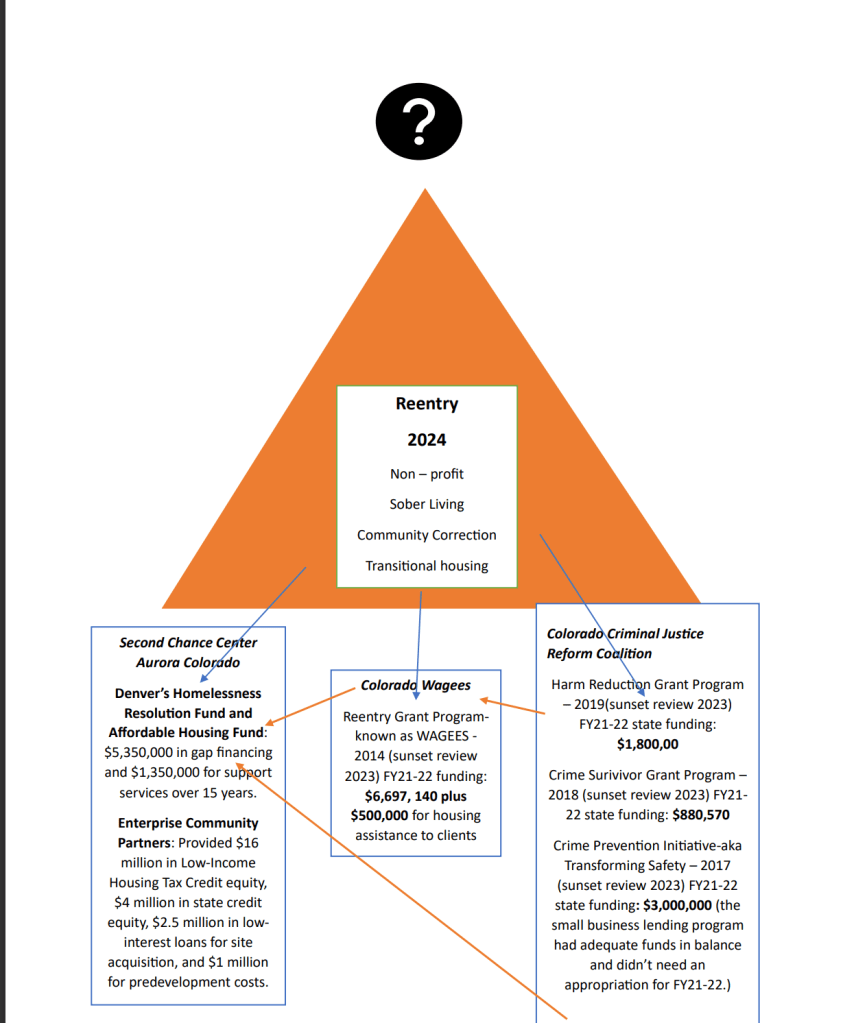
The Colorado Department of Corrections (CDOC) budget is a stark example of the stakes involved. This funding, tied to nonprofits and supplemented by state money, determines the resources available for those reentering society. It’s a system built like a pyramid, with someone—whether the state, private interests, or another entity—sitting at its peak. Yet, as plans for a new prison emerge and private facilities remain a fixture, the question lingers: where is reform, and who is truly driving it?
For those of us invested in reentry, this is about more than policies or numbers. Reentry is the lifeline for individuals leaving prison. It’s about securing bus passes, jobs, housing, and transportation. It’s about helping them write resumes and rebuild their lives. As the new administration takes its place, we must focus on these critical programs and advocate for change that starts at the ground level.
The coming weeks will reveal much about the priorities of our leaders, both in Washington and closer to home in Colorado. Will we see investments in reentry, or will the cycle of incarceration continue unchecked? One thing is certain: the need for reform has never been greater, and the time to act is now.
It seems like everyone wants to profit off the vulnerable and their hardships. That’s the reality of human nature—seeking out the weak and exploiting their struggles. We create systems, programs, and content to appear helpful, but the truth is that many of these efforts are built on the backs of those who can’t stand on their own. This is why reentry programs are so broken—not just in Colorado but across the country.
It’s become a pandemic of its own, a rot that’s been festering for years. Like the aftermath of COVID-19, long-hidden issues are surfacing, exposing systemic failures that have been covered up for decades. There are countless questions but few answers. I never questioned the integrity of reentry programs until about two years ago, when I began receiving calls, emails, and messages from people seeking help—only to be turned away. “Sorry, there’s nothing we can do for you,” they were told. These are people without roofs over their heads, without vouchers for shelter, left out in the cold. What do you do when that happens? You step in. I’ve used my own money to put homeless individuals in hotels because there was no other option. But that’s not the point—it’s not sustainable, and it shouldn’t fall on individuals to fill these gaps.
The bigger question remains: who sits at the top of the pyramid? Millions of dollars are being allocated to these programs, yet the money seems to disappear in ways that don’t make sense. It’s not about a few thousand dollars—it’s about millions being mishandled. It reminds me of the current situation with the mayors of Aurora and Denver, where massive amounts of money are being spent on undocumented immigrants while our own people struggle to afford groceries, housing, and healthcare. With winter approaching, things are only going to get worse.
I’m determined to uncover the truth about how these funds are being distributed and who is ultimately benefiting. Our vulnerable communities deserve better, and it’s time for answers.

A Web of Deception
Multiple articles have highlighted the corruption and questionable practices of the Second Chance Center, located in Aurora, Colorado. The organization, which positions itself as a reentry program, has faced criticism for its close financial ties to the City of Denver and the mayor. This relationship raises concerns about transparency and accountability, as it appears the Center may avoid scrutiny by staying out of Aurora City Council’s jurisdiction. If subjected to local oversight, they would likely face tough questions about their spending practices and the funding they continually request, which critics argue is not yielding measurable outcomes.
The Second Chance Center claims to assist individuals transitioning from incarceration, yet an investigation into its operations raises red flags. Many of the organization’s staff members have criminal convictions and have allegedly changed their names to Muslim names. Critics suggest this may be an attempt to obscure their identities, potentially preventing victims from recognizing them. This lack of transparency undermines the Center’s credibility and raises ethical concerns about its leadership.
Further examination reveals that the Second Chance Center is not listed as an official partner on the Colorado Department of Corrections (CDOC) website. Despite this, the organization continues to advertise a partnership with the CDOC, raising questions about the accuracy of their claims and the validity of their operations. If they are not a recognized partner, why are they promoting such an affiliation?
Financial mismanagement accusations further tarnish the organization’s reputation. Critics allege that funds allocated for reentry support—intended to help individuals secure housing, transportation, and employment—have been misused. Reports suggest these funds are instead being spent on luxuries for staff, including cars, jewelry, and real estate, while those in need are left without support. This misuse of resources paints a picture of an organization that prioritizes personal gain over the welfare of its intended beneficiaries.
Hassan Latif, the founder of the Second Chance Center, has publicly emphasized the importance of reentry programs for community health and safety. However, the organization’s actions appear to contradict these principles. Latif has stated, “Successful transitioning is a matter of community health…98% of people currently incarcerated will one day return to the community. It only behooves us to be concerned about what they have to endure while they’re incarcerated, as well as what kind of assistance is available to them when they come out.” Yet the allegations against the Center suggest that these ideals are not being upheld.
It’s also worth noting that only specific organizations, such as those listed under the Colorado Department of Corrections’ official partners, are recognized for their contributions to reentry efforts. These include:
- Colorado Wagees
- Remerg Colorado Resources
- CCJRC Go Guides: Getting On After Getting Out
- Colorado Voters with Convictions FAQs
- Red Rocks College Gateway Program
- Denver Dream Center
- Side By Side
The absence of the Second Chance Center from this list further questions its credibility. Transparency and accountability are vital for organizations receiving public funds, and the discrepancies surrounding the Second Chance Center demand further investigation. The public deserves clear answers about how taxpayer money is being spent and whether it is genuinely helping those in need.

Colorado Criminal Justice Reform Coalition: Advocacy or Opportunism?
The Colorado Criminal Justice Reform Coalition (CCJRC) portrays itself as a leading advocate for justice reform in Colorado, but recent interactions and observations raise serious questions about its integrity, priorities, and accountability. My own experience with the organization, and particularly with its founder, Christie Donner, has been disappointing, to say the least.
When I reached out to CCJRC with questions about their bills and reentry programs, particularly their stance on harm reduction initiatives like needle exchange programs, I expected a thoughtful dialogue. Instead, I was met with an abrupt dismissal from Donner herself:
“Don’t ever contact us, our staff, or our board. We have nothing to do with you, and you are not aligned with our vision.”
For someone who has been in this field since 1995, I expected professionalism and a willingness to engage in constructive conversation. Instead, the response reflected bitterness, arrogance, and a power trip that seems all too common among long-standing advocates and activists who have lost touch with their mission.
A Web of Financial Mismanagement and Questionable Alliances
CCJRC’s apparent alliance with Hassan Latif and the Second Chance Center raises even more red flags. Latif, who sits on CCJRC’s board, has been tied to allegations of financial mismanagement within his own organization. Both entities receive significant public funding, yet their operations appear to benefit their leadership more than the communities they claim to serve.
Since 2017, over $7 million has been allocated through programs like the Harm Reduction Grant Program and the Crime Prevention Initiative. These funds were meant to support reentry, provide housing, and stabilize families. Instead, they seem to fund lavish lifestyles, with some employees living in affluent neighborhoods like Old Arvada—areas with million-dollar homes. How does someone working for a nonprofit afford such luxury?
Misplaced Priorities
CCJRC emphasizes harm reduction programs, particularly around drug addiction, which, while important, do not address the root causes of these issues. Trauma and mental health often drive addiction, yet CCJRC has made little effort to advocate for bills addressing these foundational problems. Instead, they appear to focus on drug-related offenses, often minimizing their severity.
One glaring example is Pam, a CCJRC staff member whose bio mentions she served seven years in prison for “minor drug possession.” Seven years is not a sentence handed out for minor infractions. By downplaying the seriousness of her offense, CCJRC sends a harmful message: accountability is secondary to maintaining a narrative.
Proposition 128: A Missed Opportunity
Another critical issue is CCJRC’s lack of effort regarding Proposition 128, which will require individuals convicted of heinous crimes to serve 85% of their sentences before parole eligibility. With a $15,000 budget, they waited until the last minute to address this initiative, leaving many in the community uninformed and unprepared. Their selective advocacy—supporting drug offenders while neglecting victims of violent crimes—raises questions about their true motives.
A Broken System
CCJRC’s approach to justice reform seems more focused on securing funds than on meaningful change. They claim not to misuse money but fail to provide transparent accounts of how these funds are spent. Instead of prioritizing housing and stability for those reentering society, the resources are funneled into administrative costs and personal gain.
The Bigger Picture
Grant program and other initiatives were intended to transform community safety and provide support for individuals transitioning out of incarceration. Yet the lack of accountability and transparency within organizations like CCJRC and the Second Chance Center undermines these efforts.
Reform is critical, but it must be driven by integrity and genuine concern for those in need—not by personal enrichment and self-serving agendas. The misuse of millions of dollars is not just a betrayal of public trust; it’s a direct harm to the individuals these organizations claim to help.
As advocates and citizens, we must demand better. Reform is not about enriching those at the top of the pyramid; it’s about creating a system that truly supports and uplifts individuals reentering society. Organizations like CCJRC need to reflect on their practices and remember why they began this work in the first place.

Colorado’s WAGEES Program: A Closer Look at Accountability and Impact
Colorado boasts one of the highest Latino populations in the United States, with approximately 42% of its residents identifying as Latino, especially concentrated in areas like Commerce City, Denver, and Brighton. This vibrant cultural representation inevitably extends into the state’s justice system, raising questions about equitable resource allocation and reentry services.
Latinos make up 23% of the incarcerated population in Colorado, a lower percentage than both Black individuals (32%) and Whites (31%). However, the disproportionate representation of minorities in the justice system underscores the necessity of programs like the Work and Gain Education and Employment Skills (WAGEES) initiative, which aims to support people transitioning from incarceration.
What is WAGEES?
The Latino Coalition for Community Leadership (LCCL) administers WAGEES, a reentry program funded through Colorado’s Department of Corrections (CDOC). Established in 2014 through House Bill 14-1355, the program was reauthorized in 2018 with bipartisan support and expanded funding. WAGEES partners with community- and faith-based organizations to provide housing, employment, and other services to individuals reentering society.
According to CDOC data, from the program’s inception to October 2022:
- 6,853 participants received supportive services totaling $2.7 million.
- 1,516 participants were placed in stable housing.
- Participants set over 24,000 personal goals with their case managers.
Where Is the Money Going?
For 2024, the state allocated over $7 million to Latino organizations, including WAGEES. While the program claims to have assisted thousands, questions remain about its financial transparency. An analysis of their expenditures shows $3 million in supportive services, leaving over $4 million unaccounted for.
This discrepancy raises significant concerns:
- Who audits WAGEES? Despite operating for over a decade, there’s little evidence of rigorous, independent audits. Nonprofits receiving public funds should be scrutinized annually, but no publicly available IRS audits exist for WAGEES.
- How is success measured? WAGEES reports a high volume of participants and achievements, but independent verification of these claims is lacking.

The Role of Faith-Based Organizations
Many WAGEES partners are faith-based organizations, which brings additional challenges. Faith-based entities often benefit from tax breaks and are not obligated to pay unemployment benefits. While they can provide valuable services, their tax-exempt status and lack of accountability can create ethical concerns, especially when public funds are involved.
Challenges in Reentry Programs
Reentry programs face inherent challenges, such as high recidivism rates, which remain around 78%. Most returns to prison stem from addiction-related crimes, including substance abuse and domestic violence, rather than sex offenses. Addressing these root causes requires a holistic approach that includes mental health support, addiction treatment, and job placement.
However, WAGEES’ narrow focus on the Latino population has drawn criticism:
- Services often require bilingual case managers, but critics argue that English proficiency should be a priority during incarceration.
- Immigrants with felony convictions face deportation, raising questions about whether WAGEES should invest resources in individuals who may not remain in the country.
Conflict of Interest Concerns
The partnership between WAGEES and CDOC presents potential conflicts of interest. As CDOC directs parolees to WAGEES, the lack of independent oversight raises questions about transparency and fairness. Nonprofits benefiting from such arrangements should be subject to rigorous audits to ensure public funds are used appropriately.
Looking Forward
Colorado’s Latino community deserves effective, transparent reentry services. Programs like WAGEES must prioritize accountability, ensuring that every dollar benefits those in need. Independent audits, transparent reporting, and community input are essential to building trust and ensuring long-term success.
The issues surrounding WAGEES reflect broader challenges in the reentry system. Without proper oversight, even well-intentioned programs risk becoming vehicles for financial mismanagement. Colorado must hold WAGEES and similar initiatives to a higher standard to truly support individuals transitioning back into society.

The Hidden Failures of Reentry Programs: Where Is the Accountability?
As we enter 2025, the challenges facing reentry programs remain unresolved, and the lack of accountability within certain organizations continues to undermine the very mission they claim to support. Reentry programs are meant to help formerly incarcerated individuals reintegrate into society, providing them with critical resources like housing, employment, and support systems. However, a closer look at three organizations—the Latino Coalition for Community Leadership (LCCL), the WAGEES program, and the Second Chance Center—raises serious concerns about transparency and effective use of public funds.
The persistent problem lies in the absence of oversight and accountability for how funds allocated to these programs are spent. Public money, meant for vulnerable individuals transitioning out of incarceration, is instead funneled through layers of bureaucracy, where it is difficult to trace its final use. This not only jeopardizes the integrity of the programs but also denies resources to the people who need them most.
Unraveling the Triangle: Coalition, WAGEES, and Second Chance Center
The Latino Coalition for Community Leadership oversees the WAGEES program, distributing grants to community- and faith-based organizations that assist in reentry efforts. Second Chance Center is one of the organizations receiving substantial funding. However, the financial flow between these entities creates a tangled web. The coalition writes grants, distributes funding, and seems to pocket a portion of the money. Meanwhile, other organizations receiving the funds use them to cover operational expenses, leaving little to directly benefit the individuals they serve.
To truly understand what is happening, a forensic accounting investigation is necessary. Such an audit would need to meticulously trace every dollar—how it was allocated, who approved the expenditures, and what oversight mechanisms, if any, were in place. Without transparency, it’s impossible to determine if these organizations are fulfilling their missions or simply enriching themselves at the expense of taxpayers.
The Impact on Vulnerable Populations
The consequences of this lack of accountability are dire. The funds being mishandled are meant to support individuals leaving prison who need housing, job training, and counseling. Instead, many return to their communities without adequate resources, increasing the likelihood of recidivism.
Reentry programs like WAGEES claim to have served thousands, but their data is often questionable. For example, they report placing over 1,500 individuals in stable housing, but there is little evidence to substantiate these claims. Similarly, the Second Chance Center, despite receiving significant funding, offers minimal transparency about its outcomes.
This failure to properly allocate resources is compounded by leadership issues. Denver’s mayor prioritizes sports games over addressing systemic issues, and controversial figures like Dave Coleman—who has a criminal background—are appointed to lead halfway houses. These decisions erode public trust and perpetuate a cycle of neglect.
The Rising Problem of Sober Living Houses
Sober living homes, intended as transitional housing for individuals recovering from addiction, are another area of concern. While some operate ethically, others have devolved into party houses or poorly managed facilities that exploit their residents. With little oversight, these homes become a business venture rather than a safe haven for recovery.
Opening a sober living home has become alarmingly easy, with few regulations in place to ensure accountability. This lack of control mirrors the broader issues in reentry housing and transitional services. If we don’t address these gaps, the problems will only escalate, further straining already vulnerable populations.
A Call for Action
As long as reentry programs lack proper oversight, they will fail to serve their intended purpose. The following steps are crucial:
- Independent Audits: Forensic accounting firms must investigate how funds are allocated and spent within these organizations.
- Regulatory Oversight: State and local governments must implement stricter regulations for reentry programs and sober living homes, ensuring they meet clear standards.
- Transparency: Organizations receiving public funding must disclose detailed reports on their expenditures, outcomes, and decision-making processes.
- Leadership Accountability: Appointments to leadership positions within reentry programs must be based on qualifications and a proven track record, not political favoritism.
It is time to prioritize the needs of individuals transitioning out of incarceration over the financial interests of organizations claiming to help them. Without accountability, reentry programs will continue to fail the populations they are meant to serve, perpetuating cycles of incarceration and systemic neglect.
Disclaimer: This article discusses a real story involving real people and real events. It is published with the intention of informing and raising awareness about the complexities of such narratives. The content does not intend to defame or slander any individuals, and there are no legal consequences associated with the publication of this story regarding defamation or character slander.


 Justice Unlocked.
Leave a comment