
“Friendship is born at that moment when one person says to another, ‘What! You too? I thought I was the only one.’” – C.S. Lewis
Friendships. Relationships. People. These are three fundamental aspects of life that shape who we are. We all have friends, we all experience relationships, and we all interact with different kinds of people. But sometimes, I find myself wondering: do the same rules that apply to friendships and trust on the outside also apply within the prison walls? Do we approach these connections with the same level of caution, loyalty, and discernment?
The reality is, whether inside or outside, relationships are complicated. But for those of us who have loved ones behind bars, the dynamics of trust become even more delicate. We seek out support systems—communities of people who understand the struggles we face. We turn to groups, both in person and online, to find connection, guidance, and solidarity. However, what happens when these very spaces meant for support become barriers instead?
Take social media groups dedicated to prison families, for example. Many of these groups exist for people to share experiences, seek advice, and find a sense of belonging. But what struck me as odd was a particular requirement I came across—before being allowed into a group, I was asked to provide my loved one’s DOC (Department of Corrections) number.
At that moment, I had to ask myself: Why?
Is this some kind of check-in process, like stepping onto the prison yard? Is it about verifying who belongs and who doesn’t? And more importantly—who gets to decide that? I pushed back against the request, questioning why someone would need such personal information. There are other ways to confirm that someone has a connection to an incarcerated individual, but demanding an DOC number felt intrusive and unnecessary.
This raises a bigger question: Who controls the narrative in these groups? Are these spaces truly about support, or are they run by self-appointed gatekeepers who dictate who belongs? I believe that anyone, whether they have a loved one in prison or not, should be able to access discussions about the justice system. Maybe a person wants to learn. Maybe someone from the DOC itself wants to understand concerns from the families’ perspective. Instead of shutting people out, perhaps these groups should be open to real dialogue—because at the end of the day, we all share a common struggle: having someone we love locked behind prison walls.
Whether it’s a mother, father, sibling, spouse, or friend, the pain of incarceration extends beyond the person serving time. We, too, serve a sentence in our own way. We endure sleepless nights, endless bureaucracy, and the constant fight to be heard. That’s why we seek support—not judgment.
Unfortunately, the world is not always kind. It is full of people who thrive on control, who believe they are doing the right thing when, in reality, they are simply adding to the barriers we already face. And this is where I refuse to stay silent. I’ve never been one to sit back while others spread negativity, and that’s precisely why I’ve become controversial in certain groups. I call out the hypocrisy. I challenge the negativity. Because the last thing any of us need is moreroadblocks when we are already fighting an uphill battle.
We live in a world where rejection, judgment, and loss are all too familiar. Our loved ones are already suffering behind bars. Prison is not a foster hotel. It is not some place of comfort where people go for a temporary stay. It is a harsh, unforgiving system that many of us are forced to navigate.
So instead of dividing, let’s build each other up. Instead of exclusion, let’s practice understanding. And instead of shutting people out, let’s create spaces where real change can happen. Because in the end, we all want the same thing—to be heard, to be understood, and to never feel alone in this fight.
The Unseen Struggle: Navigating Life with a Loved One Behind Bars
For most people, the idea of having a loved one in prison is a foreign concept—something they see in movies or read about in the news, but never something they expect to experience firsthand. It’s a gray area, an unknown reality that seems distant—until one day, it’s not.
The truth is, anyone can end up in the system. Life can change in an instant. One moment, you’re sleeping in your own bed, and the next, you’re staring at the cold walls of a county jail cell, lying on a concrete slab. Everything that once felt familiar is gone, replaced by confusion, fear, and the overwhelming uncertainty of what comes next.
For those of us on the outside, watching a loved one go through this nightmare is a sentence in itself. From the moment they are taken, you become trapped in the system with them. Suddenly, your world revolves around court dates, high bonds, unanswered questions, and legal battles that seem impossible to win. One day, there’s a plea deal—then the next day, it’s taken off the table. A trial date is set, then postponed without warning. You spend months, even years, in a cycle of false hope, disappointment, and exhaustion.
And in the midst of it all, you feel alone.
Who do you turn to when no one around you understands? When the legal system is too complex, too corrupt, too overwhelming to navigate on your own?
Many people in this situation turn to social media, searching for support groups, resources, or just someone who will listen. You scroll through Facebook, looking for people who have walked this road before you, people who might be able to offer guidance or at least a sense of understanding. And sometimes, you find a safe space—a group where others lift you up, share advice, and help you navigate the unknown.
But sometimes, you don’t.
Instead, you stumble into negativity, toxicity, and judgment. You see people tearing each other down, arguing, and spreading bitterness instead of hope. And at that moment, your anxiety—already at its peak—skyrockets even further. Is this what your loved one is walking into? Is this a reflection of what awaits them behind bars?
Your mind begins to race:
What if the case is lost?
What if they are found guilty?
What happens next?
And before you know it, these thoughts snowball into full-blown panic.
The reality is, navigating the justice system is one of the hardest battles a person can face—not just for the person incarcerated, but for everyone who loves them. It is a relentless, unforgiving process that wears you down mentally, emotionally, and even financially. And yet, despite the suffering, the isolation, and the judgment from those who have never walked in your shoes, you keep fighting.
Because that’s what love does.
For those of us who understand this struggle, it’s important to stand together. To create spaces of support, not shame. To offer real resources, real understanding, and real guidance—not empty words and negativity.
Because at the end of the day, we’re not just fighting for our loved ones—we’re fighting to keep ourselves from being swallowed whole by a system designed to break us all.
The Bonds That Last: True Friendships in the World of Reentry
Through my years of working in reentry—navigating the complexities of both state and federal prison systems—I have met some amazing people. These are not just passing acquaintances or professional connections; these are true friendships—the kind that withstand time, distance, and the unpredictable twists of life.
Real friendships don’t require constant communication. Sometimes, months or even years can pass without a word, but then—out of nowhere—a message comes in, and it feels like no time has passed at all. These are the people who don’t seek you out only when they need something. They are not around for personal gain, for favors, or because they see you as a resource to be used. These are the people who care—about you, about the work, about the fight for justice.
The Warrior Spirit of Mama Gangster
One of those people is Sarah—though I rarely call her that. To me, she’s OG. Mama Gangster. She is a fighter in every sense of the word. Sarah is not just advocating for her own son, who has been behind bars since he was 19 for a complicated case that never should have landed him in prison in the first place—she fights for everyone.
Her approach is relentless. She takes on the system with fire and determination, never giving up, even when she loses. She has helped parolees, those struggling with mental health, and others lost in the system. She doesn’t ask for recognition; she doesn’t expect anything in return. She does it because it’s who she is. Her son calls me to check in, to see how things are going, and those phone calls are priceless. In a world where so much is taken away, those moments of connection are everything.
Silent Support, Unseen Struggles
Not every friendship is loud or public. Some of the most powerful relationships are the ones that exist quietly, in private messages, in late-night phone calls, in moments of desperation when someone just needs guidance, hope, or simply to be heard.
There is one person—I won’t name her—who reached out to me through Facebook. Her son had just entered the system, and she was drowning in fear, uncertainty, and frustration. I’ve done my best to support her, to help her find her footing, to reassure her that she is not alone. She often asks me, “Is this the right thing to do?” “What should I do next?” And when things get overwhelming, my answer is always the same:
Take care of yourself, too. You cannot pour from an empty cup.
She faced a terrifying situation with her son, and together, we worked to navigate it. I got involved with the sheriff’s department, pressing them for action. They never responded to my emails, but I know they read them—because things started moving. It was a reminder of how broken the system is: they won’t acknowledge you, but they will act if the pressure is strong enough.
True Friendships Go Beyond Social Media
I don’t post much on social media about these situations. That doesn’t mean they don’t exist. Some things are meant to be kept private, not for secrecy, but to protect people in their most vulnerable moments.
Not every relationship is a “user-friendly” one—where people come and go based on convenience. The friendships I cherish go beyond the surface. They are built on kindness, resilience, and a willingness to lift each other up—whether it’s in the fight for justice, in personal battles, or simply in life itself.
At the end of the day, these relationships aren’t just about what we do for each other. They are about trust, respect, and the unbreakable bond that forms when you stand together in the face of an unjust system.
These are the friendships that last forever.
Friend or Foe? The Thin Line Between True Friendships and Friendly Users
In the world of prison reform, reentry, and advocacy, you come across all types of people. Some are true friends—loyal, supportive, and fighting for the right reasons. Others? Users. Manipulators. Opportunists. They come around not because they genuinely care, but because they see you as a resource, a connection, or a tool to further their own agenda.
I’ve been in this work long enough to recognize the patterns. I’ve seen how people inside the prison walls operate—some do their time in silence, some stick with their trusted groups, and others? They use whoever they can. And it’s not much different with the people on the outside—the families, the advocates, the so-called “friends” who claim to stand by you. But are they really there for you? Or just for themselves?
The Politics of Testifying
I’ve testified on countless bills, standing alongside family members fighting for their loved ones. You can tell, just by the way they talk, who is genuine and who is playing a game. Some tell their stories with sincerity, focusing on real change. Others? They use tears and manipulation, crafting their testimony to gain sympathy rather than justice.
You see all types:
- The crybabies – Everything is about them, their suffering, their struggles, never about the system or real solutions.
- The “poor me” players – They want attention, not justice.
- The passive-aggressives – Smiling to your face, stabbing you in the back.
- The liars and con artists – Twisting facts, bending reality to fit their narrative.
- The chaos-bringers – Those who show up just to make noise, causing more problems than solutions.
It’s no different than a prison yard—groups divided, tensions high, and everyone watching their backs. You learn quickly who you can trust and who you need to keep your distance from.
Protect Yourself—And Your Loved One
In this world, you have to be cautious. The wrong word, the wrong association, and suddenly you or your loved one behind bars becomes a target. That’s why I don’t tell people who I know in prison. It’s not their business. Because I’ve seen firsthand how vicious people—especially women—can be.
People think men fighting in prison is bad? Women can be far worse. The gossip, the rumors, the backstabbing—it’s relentless. And they will use anything against you.
You have to check people in—just like in the yard. That means you test their loyalty. You question their motives. You don’t just let anyone in, because once they’re in, they have access to your world—and not everyone deserves that.
“Check Yourself in the Yard”
There’s a saying in prison: “Check yourself in the yard.” If you don’t belong, if you don’t follow the rules of the group, you’ll be dealt with. That’s how it is in this world too. If you can’t be trusted, you get checked out of the circle.
And trust me, I’ve seen it happen. People who think they can manipulate, use, or betray others get exposed fast.
At the end of the day, not everyone who stands beside you is truly with you. Some are just waiting for their moment to take what they need and disappear. Pay attention. Protect yourself. And most of all, protect the ones you fight for.
User-Friendly Betrayal: A Lesson in True Friendship
Friendship is often tested in the most challenging moments of our lives. I thought I had a genuine friendship with Michelle, someone I had known for years, but I was wrong. It was not a true friendship; it was a user-friendly relationship where I was only valuable as long as I could provide help, knowledge, and connections.
I met Michelle through CrossFit, but our bond grew stronger when her husband was incarcerated over a year ago. Having never been exposed to the prison system, she was terrified and overwhelmed. I understood that fear—I’ve worked in this field for 30 years, and every day, I still learn something new. The legal system is ever-changing, with new administrative regulations, laws, and policies constantly emerging. Navigating it is not something one masters overnight.
Wanting to support Michelle and her husband, I wrote an article about their case during Thanksgiving and Christmas. I knew how difficult those times could be for families affected by the justice system. Even without knowing every detail of his case, I wrote a letter to the judge requesting leniency. That letter was read aloud during sentencing, and while he still received years in prison, it was a far lighter sentence than what could have been imposed. I helped her connect with a decent public defender for his appeal and encouraged her husband to enroll in legal courses while incarcerated. He did, which was a great step forward.
However, Michelle’s impatience became her downfall. She wanted to know everything at once, control every aspect of the prison system, and dictate how things should be done. But the reality is, you don’t gain influence overnight. You don’t walk into a prison or a legal battle expecting immediate results. Establishing relationships within the Department of Corrections or the Department of Justice takes years of consistent, respectful, and strategic work. Michelle refused to accept that. She wanted to be someone of importance within the DOC, someone with power and control. But power in this space doesn’t come from force—it comes from knowledge, persistence, and credibility.
Then, she checked herself into the yard—figuratively speaking. She abandoned the very battle she had once fought so hard to understand. After a disagreement with me, she vanished, severing communication. Instead of standing firm, she aligned herself with an organization called CrossFit Redemption. I had reservations about this group from the start, particularly regarding how they handled finances and whether funds were actually benefiting incarcerated individuals. Michelle ignored my concerns and tied herself to this organization, prioritizing its acceptance over truth and integrity.
When tensions arose within CrossFit Redemption, I called out a particular woman for her incompetence. In return, I was met with false accusations—claims that I had formed inappropriate personal relationships with inmates. You can call me cold-hearted, unyielding, or even harsh, but you cannot touch my integrity or my respect for this work. For Michelle, this was the moment to stand up for our supposed friendship, to correct the false narratives being spun about me. Instead, she remained silent. Not a text, not a phone call, not even a message in defense of someone who had stood by her through her darkest hours.
Her silence spoke volumes. It confirmed that our friendship was never about mutual respect or support—it was about what she could gain from me. Once I was no longer useful, she discarded me like a tool she no longer needed.
User-friendly people like Michelle exist everywhere. They latch onto those with knowledge, influence, and resources, taking what they can before moving on to their next source. If you are in this field or any line of work that involves advocacy, be cautious. Know that people will try to use you, and if you choose to help them, do so with awareness. Protect yourself and your loved ones, and most importantly, do not let them shake your integrity.
Michelle checked into the yard, and I checked out of that friendship. Some people are simply not worth the fight.

Walking Away: The Power of Cutting Ties and Moving Forward
In life, we often encounter people who test our patience, push our limits, and betray our trust. It is easy to fall into the trap of seeking revenge, being spiteful, or harboring resentment. Many women in our community have taken that route, escalating conflicts and ensuring that those who wronged them feel their wrath. But is it really worth it?
Instead of allowing emotions to dictate our actions, there comes a time when walking away, cutting our losses, and learning our lessons is the best path forward. Karma has a way of settling the score, and patience often reveals that those who have wronged us will one day need something they won’t receive.
Take Michelle, for example. One day, she will make a phone call because she needs help. But the silence on the other end will be deafening, the same silence she gave me when I needed her. There will be no more conversations, no more questions, and no more support. That’s the reality of burning bridges—eventually, there’s no way back.
Her husband’s case is another issue altogether. It’s a gun-related case and given the state of our community and the perception of gun possession, his chances of having his conviction overturned are slim. Gun crimes are a major concern, and the political landscape surrounding them only makes things more complicated. Do I believe he deserves a long prison sentence? No. Perhaps a year or two for poor choices, but he is not guilty of what they accuse him of. I won’t drag him into this; he is already struggling behind bars.
Some women, however, would take a different approach. They would connect with their incarcerated loved ones and stir up conflict, setting off a chain reaction that could have serious consequences. That’s why I never share DOC numbers or personal information—because you never truly know people’s agendas or who is connected to whom. Too often, I have seen people use their influence to manipulate situations, leading to fights, transfers, or worse.
But let me make one thing clear: I will never be that person. My focus remains on my work—helping those behind bars, advocating for families, and fighting against the corruption in reentry services. There are bigger battles to fight, like the ongoing DNA scandals, mental health crises, and the struggles of those trying to rebuild their lives.
So, Michelle, this message is for you. Goodbye. Navigate this system however you see fit, with the people you choose to surround yourself with. But don’t call me. There will be no answer.
The Truth About Some So-Called Prison Support Groups: A Cautionary Tale
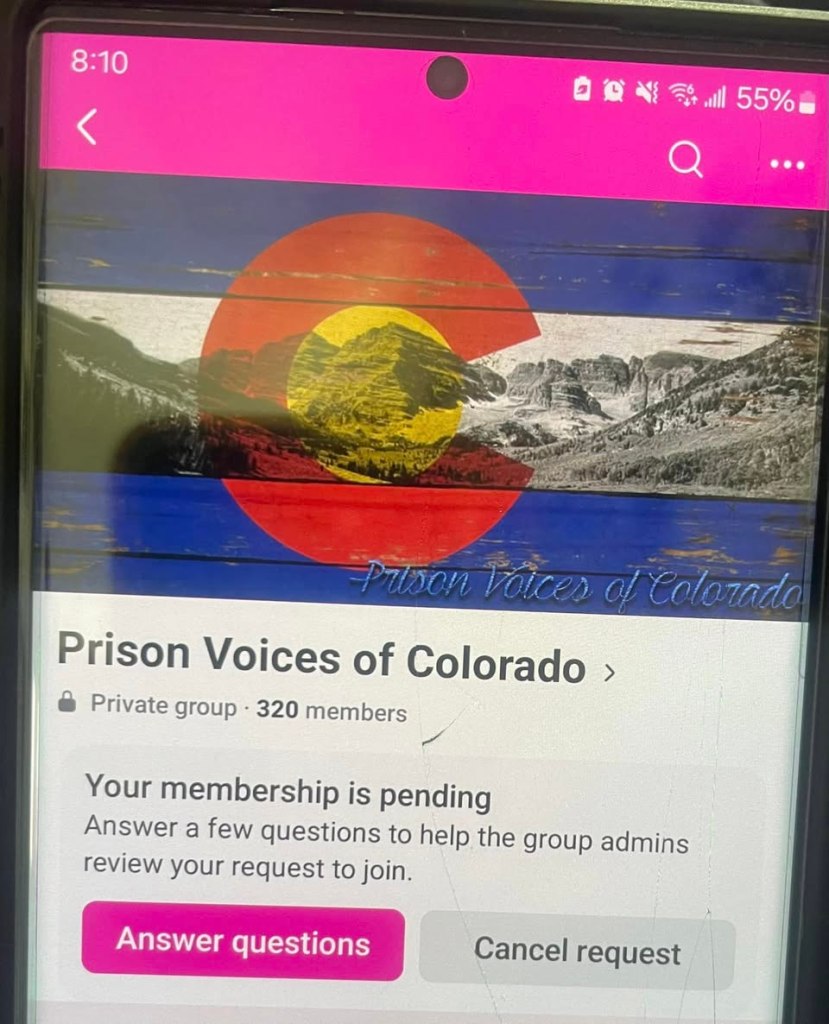
Recently, someone sent me a link to a so-called prison support group, supposedly created to advocate for those behind the walls. Intrigued, I decided to look into it, and what I found was beyond disturbing. Run by a woman who presents herself with little to no self-respect ( look like a vampire), this group raised more red flags than I could count.
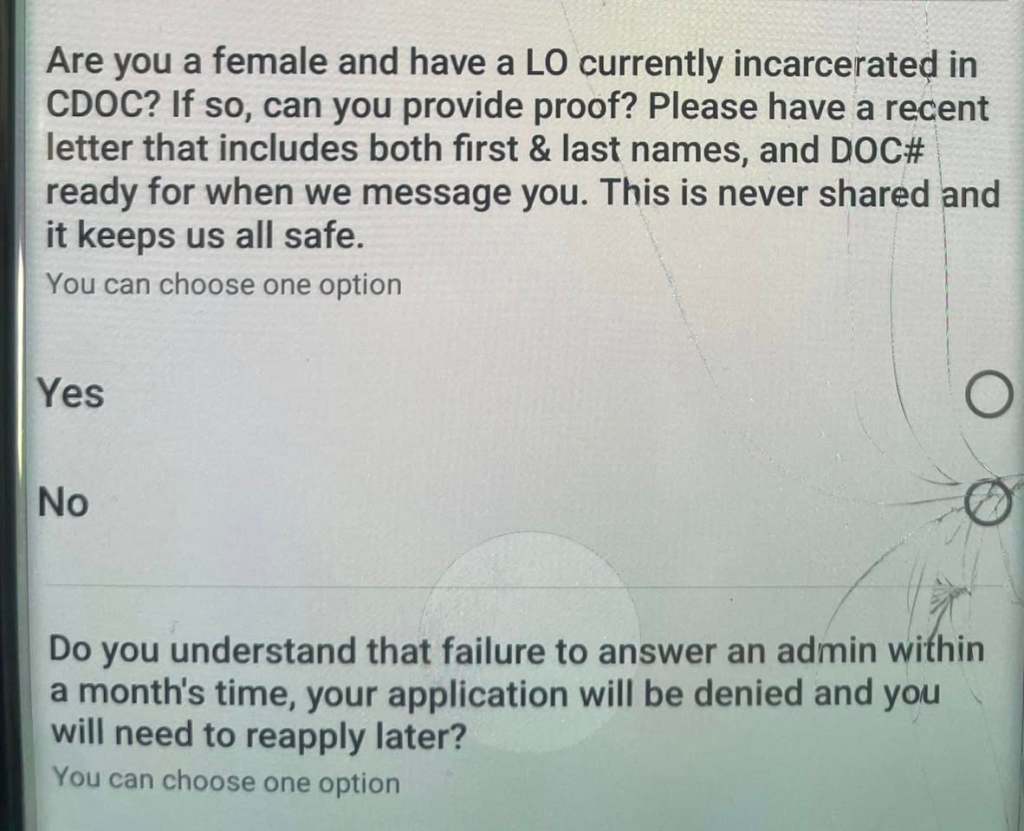
First and foremost, the group only allows women to join. If you’re a man, you’re automatically excluded. This immediately made me question its true purpose—advocacy should never be gender-restricted. To make matters worse, the group requires members to provide proof of their connection to an inmate by submitting mail evidence and even the Department of Corrections (DOC) number of their incarcerated loved one.
Let’s pause right here. Why does this woman need personal information like a DOC number? What qualifications or authority does she have to request such sensitive details? The moment someone asks for that kind of information, you should be asking yourself—what is really going on behind the scenes?
Looking into her personal profile, I noticed something else—her loved one inside has tattoos linked to white supremacist imagery. That alone is enough for me to take a step back. I don’t tolerate white supremacy, and I certainly don’t trust anyone affiliated with that ideology. It raises serious concerns about what this group is actually doing with the data it collects. Could this be a way to extort or manipulate people inside? The possibility is terrifying.
By openly sharing your loved one’s DOC number and correspondence, you’re exposing them to potential harm. You might believe you’re joining a safe space for support, but in reality, you could be walking into a trap. There’s no way to verify where this information is going or how it’s being used.
Let me be clear—I believe in advocacy and support for those behind bars. However, real advocacy is about education, integrity, and providing useful resources without demanding sensitive information. That’s why in the group I’ve created, there are no gender restrictions, no judgment, and certainly no demands for proof of mail or DOC numbers. If you need support, guidance, or even something as simple as an example parole letter, you’re welcome.
Beware of groups that make you a prisoner of their own agenda. Not every so-called advocacy space is what it seems. Do your research, trust your instincts, and most importantly—protect yourself and your loved ones.
Protect Yourself, Protect Your Loved Ones: The Power of Caution
In a world where trust is often exploited, where kindness can be mistaken for weakness, and where some people take advantage of others without a second thought, it is crucial to remain vigilant. Protecting yourself and your loved ones is not just a suggestion—it is a necessity.
Too often, we give too much of ourselves to those who do not deserve it. We share our knowledge, our time, and our emotions with people who, in the end, prove to be unworthy of our efforts. It is a hard lesson to learn, but an essential one: not everyone deserves access to you. Not everyone deserves your time or your energy.
The same principle applies to relationships with those behind bars. Just as in the free world, respect and loyalty must be the foundation of any meaningful connection. If those values are absent, then there is no real relationship—only manipulation and disappointment. Some people will expect loyalty without offering it in return. Some will demand respect while giving none. These are the relationships that must be reevaluated, if not severed completely.
The lesson here is simple: be cautious with everything. Be mindful of who you let into your life and what you choose to share. In an age where people will use you if given the chance, self-preservation is key. Keep some things to yourself. It may be difficult, but ultimately, it is safer.
At the end of the day, your well-being and your loved ones matter most. Guard your peace. Set boundaries. And remember: not everyone deserves you.
Disclaimer: This article discusses a real story involving real people and real events. It is published with the intention of informing and raising awareness about the complexities of such narratives. The content does not intend to defame or slander any individuals, and there are no legal consequences associated with the publication of this story regarding defamation or character slander.
 Justice Unlocked.
Leave a comment