
A Different Kind of Prison Visit
I had not visited a prison in many years. Every visit is different—people change, staff change, and the atmosphere shifts. I rarely go on weekends, as I try to leave that time for family members. But this time, I had to make a Saturday visit, and the experience felt very different.
It was a beautiful day—about seventy degrees, with a dry desert breeze. As I stood outside waiting for the bus, I watched families prepare to see their loved ones. Small children, some just a few months old, others toddlers laughing and smiling, treated the day like an adventure. There were no tears, no cries. Mothers held their children close, guiding them carefully through security checks. Even the smallest belongings—diaper bags, bottles, toys—were searched, a reminder that safety comes first inside prison walls.
When we finally boarded the bus, the children’s energy filled the space. They laughed, giggled, and struck up conversations with strangers. I wondered if they understood who they were about to see, or how they might react once they arrived. But in that moment, their joy seemed untouched by the heaviness of the destination. Mothers kept close watch, every glance and gesture filled with attentiveness and care.
As for me, I was just another visitor—someone coming to see a friend behind the walls. But being on that bus with these young children shifted my perspective. Their innocence and resilience stood out. While I came to see one person, they reminded me that visitation is about much more than just reconnecting. It is about families holding together, about love that finds its way past fences and walls, and about children who, without knowing it, bring light into a place that can feel so heavy.
Through a Child’s Eyes: A Prison Visit
When you step off the bus and walk into the prison, the environment changes instantly. Barbed wires stretch overhead, heavy doors slam shut with a deafening echo, and each lock clicks behind you with finality. Even for an adult, the sound can rattle your nerves. But what struck me most was how the children reacted. They didn’t cry. They didn’t ask questions. They stood in line quietly, curious but calm, as if waiting to see what came next beyond each door.
Every visiting room I’ve been to has a small designated area for children. It’s never much—just a carpet with some color, a few cheerful pictures taped to the wall, a bin of toys, maybe crayons and paper. Still, I often find myself wishing there could be more. I know it sounds strange to imagine making a prison more “child-friendly,” but I believe these children deserve it. They may not remember the details of each visit at such a young age, but their parents—especially fathers behind the walls—will never forget those moments.
When the men finally appeared in their green uniforms, the atmosphere changed in an instant. The children’s voices rang out: “Daddy! Daddy!” Their joy was pure, unfiltered, and overwhelming. For a few precious hours, the prison setting seemed to melt away, and all that mattered was the bond between father and child.
Even the vending machines became part of the magic. To the kids, they were treasure chests.
“I can have whatever I want?” one asked.
“Yes,” his mother replied. “You can have whatever you want.”
The excitement over a simple soda was contagious. The children picked out snacks carefully, asking each other what Dad might like, eager to share with him. It wasn’t about the food—it was about giving something back to the parent they missed so deeply.
One little boy, too young to say much more than “no,” burst into tears the moment he saw his father. But even his cries carried joy—the kind that comes from finally being back in the arms of someone you love.
For outsiders, prison visits might seem heavy, somber, or even intimidating. But through a child’s eyes, they can be moments of wonder, connection, and love. And for the parents inside, those moments are treasures that carry them through the hardest of days.
Finding Joy Inside Prison Walls
My recent visit was unlike any I’d had before. Most of the people in the visiting room that day were familiar faces—men I knew personally, along with their families. Instead of feeling isolated at a single table, we gathered in the corner across a few tables, sharing snacks, laughing, and talking like old friends.
For a moment, it didn’t feel like a prison at all. It felt like being in a restaurant with people you care about—ordering food, joking, and simply enjoying each other’s company. For those few hours, the men in green could almost forget where they were. The visiting room became a little pocket of freedom, joy, and normalcy.
The children brought their own kind of energy—chaotic, loud, but beautifully alive. They ran around, played games, and kept their parents on their toes. At one point, a little one even tried to dash off, sparking laughter as parents scrambled to catch him. It was pure, innocent chaos that filled the room with life.
That weekend was also photo day—an especially important ritual. Pictures matter. They are memories, proof of connection, and tangible reminders of love that survives separation. Watching the kids pose was both hilarious and touching. Some pouted and resisted, some pulled silly faces, and others asked, “Why do we have to take pictures?” Their innocence made us all laugh, even in a place where laughter doesn’t always come easily.
As I watched, I wondered what stories families tell their children about prison. Some say, “Dad is on vacation.” Others frame it like a timeout. Some choose honesty, others choose comfort. Maybe there is no single right way. What struck me was that, whatever explanation they were given, the children’s love never wavered. To them, Dad was still Dad—and these visits, filled with laughter, pictures, and shared snacks, were moments that mattered.
For a little while, behind locked doors and barbed wire, we were able to create something rare: joy that felt free.
The Pricelessness of Time in Prison Visits
For those who visit loved ones behind prison walls, time is everything. It is the most precious currency, and yet it slips away faster than you can hold onto it. You arrive at 8:00 in the morning, finally get inside by 9:00, and before you know it, the clock strikes noon and the first group of visitors is already leaving. Hours vanish as if the prison runs on its own separate clock—one that seems to move faster than anywhere else.
In that space, time spent together is priceless. Every moment matters—whether it’s talking with a friend, sharing snacks with your children, or holding the hand of someone you love. Those who have time with their families on the outside may not realize how valuable it is. But in prison, where time can be taken away in an instant, you learn never to take it for granted.
For children, time feels different. When they visit a parent in prison, they often don’t grasp its limits. To them, the visit feels endless. They expect their father to stand up at the end and walk out with them. Their innocence stretches time into a hopeful forever.
In the visiting room, you can hear their voices bubbling with joy and need:
“Daddy, play with me.”
“Color with me.”
“Let’s paint a picture.”
“Do you want to play a game?”
“Are you hungry?”
“I have to go to the bathroom.”
These are the sounds of children simply being children, clinging to moments that feel normal, moments that feel whole. For them, the visit isn’t just a block of hours—it’s a small lifetime of love, play, and connection compressed into a single day.
And when the visit ends, the reality of time hits hardest. The parents stay behind. The children leave, holding onto the memory of those hours, not yet understanding that time together inside those walls is fleeting, fragile, and more valuable than anything else.
In prison, time is both the hardest thing to lose and the greatest gift to give.
Fathers, Children, and the Weight of Prison Visits
Inside prison visiting rooms, emotions run deep. I often watch fathers with their children, and what I see is a mixture of joy and sorrow. The first moments of a visit are filled with smiles, laughter, and the warmth of reunion. But as the hours pass, a quiet sadness creeps in—the knowledge that time is short, and separation is waiting just beyond the next locked door.
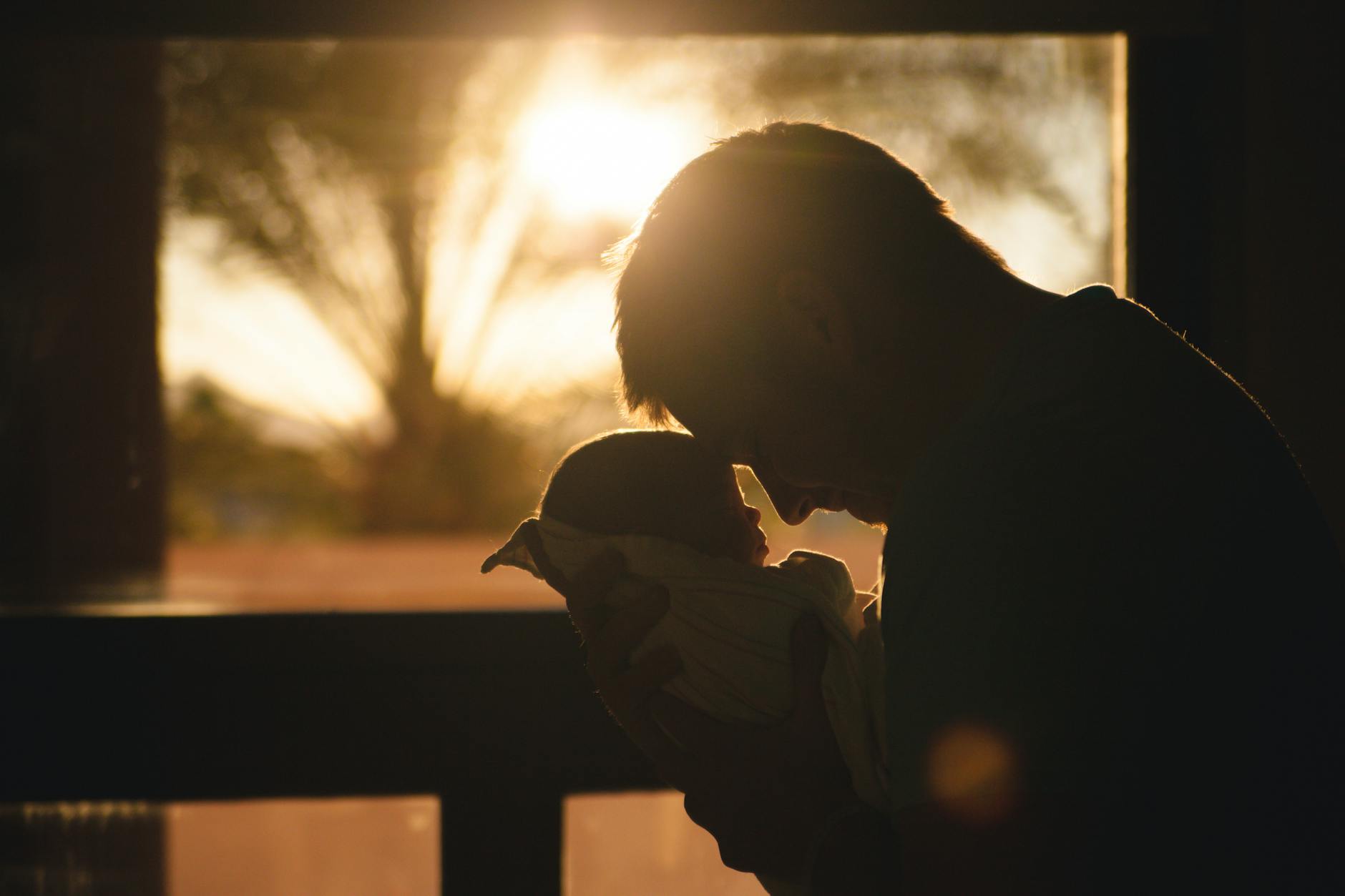
One father held his infant daughter for hours, gently rocking her as if he never wanted to let her go. The tenderness in his embrace was striking, a reminder that even behind prison walls, the bond between parent and child is powerful and unbreakable. The baby’s mother, exhausted, rested her head on the table and closed her eyes. For those hours, he took over completely, giving her a break, being not just a father but a partner—even in the most unlikely of places.
Scenes like that stay with you. They raise difficult questions: Should children be brought into prisons at all? What will they remember? Will they carry trauma from seeing their parent in such a setting? Or will they hold onto the love, the touch, the memory of time spent together? There is no easy answer.
What I do know is that maintaining contact between children and their incarcerated parents is deeply important. It is a lifeline—for the fathers, who cling to every moment, and for the children, who need to feel their parent’s presence in their lives.
I deeply admire the mothers who make the hard choice to bring their children into prison visiting rooms. It takes courage, patience, and a fierce love to carry that responsibility. They protect their children, shield their hearts as best as they can, and ensure that—even behind walls and under watchful eyes—family ties remain unbroken.
In those visiting rooms, surrounded by wires and heavy doors, life and love persist. And for many fathers, those few hours holding their children are the closest thing to freedom they will ever feel.
Behind the Prison Walls: The Human Side of Incarceration
Inside prison, image is everything. For many men, tattoos mark their identity—ink across their arms, their necks, even their faces. They carry meaning: a connection to a group, a symbol of belonging, or simply survival in a harsh environment. Within those walls, they wear a tough exterior, a façade of strength that says, I’m a gangster, I’m untouchable.
But the moment they step into the visiting room, something shifts. The heavy doors open, and they see their families waiting. Suddenly, that hardened mask slips away. The tattoos, the uniforms—the greens—fade into the background. What’s left is not the gangster, not the inmate, but the father, the son, the brother, the friend.
I’ve watched men melt into tears at the sight of their children calling out, “Daddy!” I’ve seen laughter replace the stone-cold expressions they wear on the yard. In those hours, they play board games, share snacks, color pictures, and hold hands. They become human again, not defined by their charges or their time, but by their love and connection. For a moment, the visiting room feels like any other room filled with families.
This is why visitation is so vital—and why passing visitation rights into law was such an important milestone this year. It was the first bill of its kind in the United States, affirming that families must have the right to see their loved ones behind bars. Because visits are not just a privilege—they are a lifeline.
Yes, the drive may be long. Yes, it may take time you feel you don’t have. But make the time. Take the hard drive. These men—and women, too—need it. Because when you show up, you’re not just seeing the inmate in greens. You’re seeing the whole human being, the softer side that reminds them, and reminds us, that they are more than the walls around them.
Visitation keeps hope alive. And hope is something no prison can lock away.
“I’ll Stay With You, Daddy”: The Power of Prison Visits
And just like that, the visit ends. Time is up, and everyone has to leave. There’s an unspoken rule in prison visiting rooms: when families walk away, the loved ones left behind do not turn to watch. It isn’t a goodbye. It’s a see you soon, see you later. Still, everyone knows the weight of that moment. For those inside, the rest of the day will be heavy.
Yesterday, I witnessed something that struck me deeply. A little boy, maybe seven years old, had been nothing but joy the entire visit—smiling, joking, taking pictures, radiating positivity from his small frame and big heart. But as we were walking out of the visiting room, he turned to his father and said, “Daddy, I’ll stay with you. I will stay with you here. Oh, you know what? I’ll stay here, and then you can go home.”
His father, holding back tears, tried to reassure him: “It’s okay, son. I’ll stay here. You can go home.” But the boy insisted, offering permission in the sweetest, most innocent way: “It’s okay, I can stay here with you if you want me to.”
It broke everyone in the room. That little boy reminded us all of what truly matters. He wasn’t concerned about toys. What mattered to him was being with his dad, even if that meant staying in prison. At just seven years old, his love was so pure and unwavering that he was ready to “do the time” too—just so they could be together.
Moments like that reveal the true importance of visitation. Children may not remember every detail, every toy in the corner, or every snack from the vending machine. But they will remember the feeling. The sounds, the smells, the emotions of that place will stay with them, lodged in memory even decades later. Sometimes, walking into a room years later, you experience déjà vu because your brain has carried those impressions all along.
That little boy’s words were a reminder: what matters in life isn’t material wealth or status. It’s people. It’s family. It’s love.
So don’t forget your loved ones behind the walls. Visit them. Give them a few hours of your time, even just once a month. Share a soda from the vending machine. Play Uno or color a picture. Read the Bible together. These simple acts bring joy in ways far greater than they seem.
Because in the end, life is not about what you own. It’s about the people you love—and the time you spend with them.
 Justice Unlocked.
Leave a comment