by Justyna M. in Criminal Justice
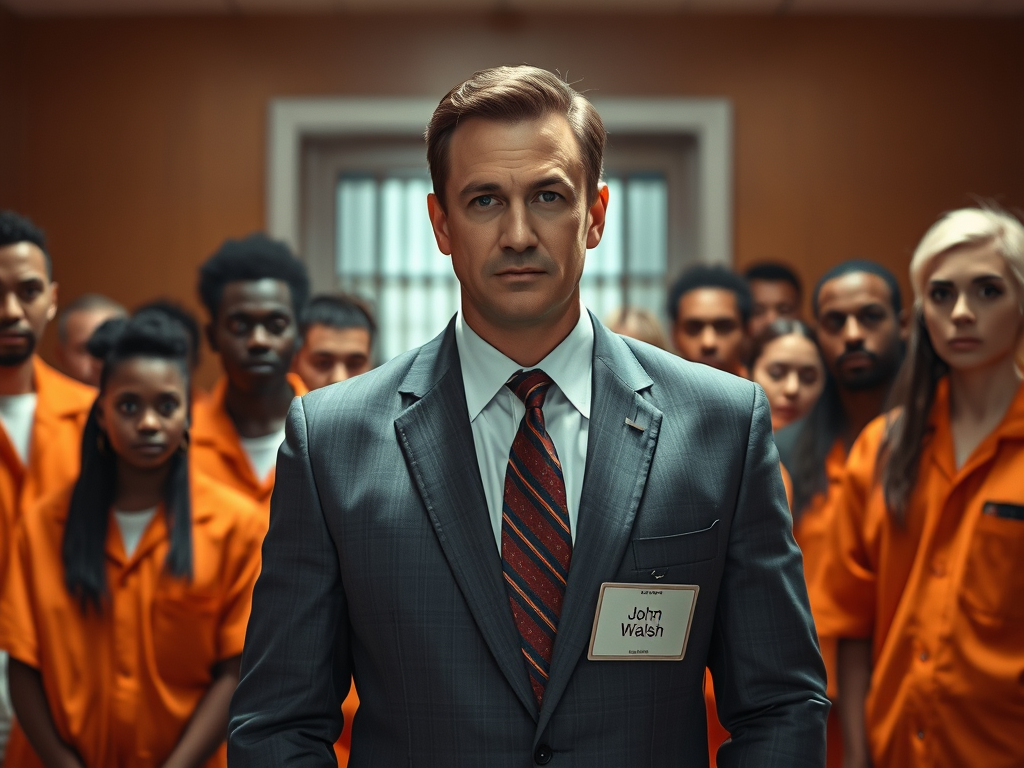
As we approach the final stretch of one of the most consequential races of our time, voters are not only selecting a president and vice president, but they’re also determining who will hold key roles in local governance—district attorneys, judges, senators, and legislators. Many of us are faced with the daunting task of making informed decisions on multiple candidates and propositions. Some people may choose to vote based on name recognition alone, simply because they’ve seen a name frequently in ads or on yard signs. But casting your ballot this way, without proper research, can have long-lasting consequences.
Remember, the choices you make now will affect your community for the next four years. So before you pick up your pen or pencil and mark that ballot, pause. Consider not just once or twice but multiple times whether you’re making the right choice. Voting should be an intentional act, not something done hastily because of a familiar name or a catchy campaign slogan. If you’re uncertain about a candidate or an issue, it’s worth taking the time to do your research.
One of the most mentally draining aspects of voting is understanding the complexity of propositions and initiatives. Take Proposition 128 and 130, for example two highly controversial measures. Proposition 128 concerns creating a $1 million fund to support the families of fallen police officers. While the intent is noble, the question arises: Should this be funded by taxpayers? When someone becomes a police officer, they understand the risks associated with the job. That’s why life insurance policies are available, and ideally, a balance between the department and the individual should cover these costs, not the public.
The recent years have also brought the issue of police misconduct to the forefront, with departments across the nation facing lawsuits for wrongful deaths and other actions. The conversation around defunding the police remains divisive. While eliminating law enforcement altogether isn’t feasible, the structure and effectiveness of policing need serious reform.
As we navigate through 2024, it’s time to demand change. Continuing the same policies and expecting different results won’t work. We need candidates who will address issues like the cost of living, affordable housing, better reentry services for those leaving prison, improved education, and comprehensive immigration reform.
When you vote, you’re essentially hiring someone to represent your interests. Just as you would carefully interview a job candidate, scrutinize those running for public office. Are they fit for the job? Do they have a proven track record? If you know a candidate personally or are familiar with their work, ask yourself if they have genuinely served their community or simply ridden the wave of political convenience. I have my doubts about certain candidates on the ballot this year. I know their work firsthand, and I question whether they are truly the best fit for the positions they seek. In some cases, despite their name recognition, the job may not be right for them—and as voters, it’s our responsibility to make that determination.
In the end, the stakes are high, and we all must live with the choices we make at the polls. Choose wisely. If you’re uncertain, take the time to research further. Make sure your vote reflects not just a name you’ve heard but a candidate who will lead with integrity, vision, and a commitment to the betterment of our society.
As the election draws near, it’s important to focus not only on high-profile races but also on local candidates who will have a direct impact on Colorado’s justice system. Two such figures in the spotlight are John Walsh and Beth McCann. Both names may sound familiar, but it’s crucial to dig deeper into their backgrounds to understand the significance of their roles and the controversies surrounding them.
John Walsh
When you hear the name John Walsh, many might associate it with the famous TV host of America’s Most Wanted. However, the John Walsh on the ballot in Colorado is a different person entirely. This John Walsh has served as a federal prosecutor, focusing on federal-level cases. His work has earned him recognition, but it’s also brought significant controversy.
It’s important to distinguish between state and federal prosecutions when evaluating Walsh’s record. Federal cases, unlike state cases, often involve conspiracy charges, which carry an extraordinarily high conviction rate—approximately 93%. This means that those indicted on conspiracy charges in federal court are almost certain to be convicted, regardless of the strength of the actual evidence. On the state level, however, the burden of proof is based on “beyond a reasonable doubt,” giving the defense more room to challenge weak cases.
As the 2024 race for District Attorney in Denver unfolded, many people found themselves asking: Why is John Walsh the uncontested favorite? Why didn’t someone run against him? Well, someone did. Leora Joseph, an exceptional candidate with extensive state-level experience, stood against Walsh, but in the end, she lost. The difference? Money. John Walsh’s campaign boasted nearly $300,000 in donations, dwarfing Leora’s resources, but what she lacked in campaign funds, she made up for in experience and qualifications.

Let’s not kid ourselves—John Walsh is an impressive figure. With his salt-and-pepper hair, perfectly tailored suits, and eloquent speech, he makes a lasting first impression. In politics, looks and presentation can often overshadow substance. But there’s more to leadership than appearances. I had the opportunity to speak with Walsh one-on-one in July 2024, and I asked him a pointed question about his stance on the DNA scandal involving Missy Woods, a case that has shaken the very core of Colorado’s justice system and the credibility of the Colorado Bureau of Investigation (CBI). His response? “I do not know much about this case. I will have to get familiar with exactly what’s happening.” Let that sink in for a moment. Here is a man running for a high state office, a federal prosecutor no less, and he has no idea about one of the most pressing issues affecting the justice system in Colorado—a case impacting hundreds, if not thousands, of people. This revelation raised serious concerns about his ability to take on the responsibilities of this role. But it seems voters were more captivated by his polished image than by his knowledge of state-level issues.
Now, let me introduce you to Leora Joseph. She was also a Democratic candidate for District Attorney, running against Walsh, and her qualifications are nothing short of remarkable. Leora has spent her entire career on the state level, focusing on the issues that directly impact Coloradoans. She’s currently serving under Governor Jared Polis’s office, and her extensive background in state prosecution gives her an unparalleled understanding of the challenges within the justice system.
Unlike Walsh, whose experience lies predominantly in federal cases, Leora is a classic, by-the-book state prosecutor. She has prosecuted some of the most intense and difficult cases in the state. She has also served as Chief of Staff to the Colorado Attorney General, overseeing the Special Victims Unit, human trafficking cases, and managing a staff of over 250 lawyers. She is deeply familiar with the issues facing Denver and the entire state, from systemic problems in mental health care integration to urban crime. Why did we miss such a great candidate? The answer is simple: people went for looks, not brains. Walsh’s handsome appearance and well-fitted suits distracted voters from the substance of Leora’s campaign. Her leadership experience, her knowledge of the state’s justice system, and her commitment to cleaning up Denver’s broken District Attorney’s office were overlooked.
When I spoke with Leora, she emphasized one thing: “It’s time to clean house. It’s time for change.” She is acutely aware of the problems plaguing the Denver DA’s office, and she is prepared to address them head-on. Unlike Walsh, who I believe will be caught flat-footed by the challenges of the office, Leora knows the ins and outs of the system. She’s close to the issues, while Walsh is distant.
To give a better perspective, I attempted to arrange a neutral debate between Leora and Walsh at the Denver Dream Center, a place known for its work in re-entry and bringing the community together. This would have been a chance for the people of Denver to hear directly from both candidates, but Walsh didn’t even acknowledge the invitation. Perhaps he thinks he’s too good to debate in front of the very people he is supposed to represent—many of whom are recovering from the same injustices he claims to want to fix. Leora, on the other hand, was ready and willing. She understands that justice isn’t just about prosecuting criminals; it’s about recognizing when the system has failed and addressing those failures. She knows that there are people who need to be prosecuted, but she also knows there are people who have been unjustly targeted by the system.
So, how did we miss Leora Joseph? How did we let a highly qualified, dedicated candidate slip through the cracks in favor of a well-dressed federal prosecutor who doesn’t seem to have his finger on the pulse of state issues? It’s not too late for Denver to see the error of its ways, but if John Walsh wins, as I expect he will, I guarantee this: he will be challenged on every level by the community. His lack of knowledge of state-level issues, his disregard for people who aren’t part of his federal world, and his disinterest in engaging with local communities will be exposed.
John Walsh, you may have won this round, but the fight for justice in Denver is far from over. Leora may have lost this election, but her message resonates. There will be challenges ahead, and the community will hold you accountable for your lack of state-level understanding. Denver missed out on Leora Joseph, but it’s not too late to demand the change she stood for. The people deserve more than a polished suit—they deserve real leadership.
John Walsh: The Untold Story of a Federal Prosecutor’s Transition to State-Level Politics
John Walsh is no stranger to the legal world. He served as the United States Attorney for the District of Colorado from 2010 to 2016, becoming the longest-serving U.S. Attorney in Colorado’s history. Nominated by former President Barack Obama, Walsh was sworn in on April 14, 2010, and during his tenure, he made a name for himself as a tough prosecutor with a focus on white-collar crime. His resume speaks volumes—Walsh is a Stanford graduate with a J.D. from the law school in 1986, where he was also a senior editor of the Stanford Law Review.
Walsh is best known for prosecuting Charles Keating for his role in the savings and loan crisis, a major scandal involving financial fraud. His work largely revolves around prosecuting white-collar crimes like fraud and corruption, cases that have been clean-cut compared to the gritty drug or conspiracy cases that often characterize the work of state prosecutors. Walsh’s reputation? That of a “clean-hands prosecutor,” someone who works with high-profile financial crimes, but avoids the messier aspects of criminal law.
Walsh’s legal career took an interesting turn in early 2019 when the Rocky Mountain Immigrant Advocacy Network (RMIAN) announced that Walsh, along with a team from his law firm, would represent immigrant parents and relatives who had been detained and separated from their children under the Trump administration’s immigration policies. While this pro bono work gained him praise in certain circles, it also raised some critical questions.
As a federal prosecutor, Walsh should have been fully aware of the implications of federal and state law, particularly when it comes to immigration issues. Under the U.S. legal system, there’s a significant difference between federal convictions and state prosecutions, especially regarding immigration policies enforced by the U.S. Citizenship and Immigration Services (USCIS). How could Walsh advocate for families affected by federal policies while ignoring the reality that millions of children are separated from their incarcerated parents due to state and federal convictions? In fact, by the end of 2024, it is projected that 5 million children will have been separated from their parents due to incarceration. Does Walsh understand that incarceration often exacerbates this crisis, and perhaps alternative forms of sanctions could help mitigate it?
Even more troubling is the fact that more than 350,000 children are currently unaccounted for under USCIS, many of whom were separated from their families. How can we trust someone like Walsh to handle these issues when, despite his pro bono work, he seems to lack a comprehensive grasp of the state-level problems affecting Colorado’s justice system?
Walsh’s lack of state-level experience is a glaring hole in his resume. He has built his career on federal cases, and while that’s certainly impressive, it doesn’t prepare him for the intricacies of state law. Now, as he transitions to running for Denver District Attorney, we must ask: How well does Walsh understand the fundamental differences between state and federal law? His record doesn’t show that he’s ready for the state-level challenges that come with the job.
There is also the concern about how he will wield his federal connections in a state role. Denver’s District Attorney office is already overwhelmed by cases involving gang violence, drug offenses, and street crime. Will Walsh use his federal connections to move cases from state to federal court, bypassing state-level jurisdiction when it suits him? Could this lead to another legal scandal under his leadership?
Denver’s District Attorney office is already facing serious issues—burnout, staffing shortages, and internal conflict. Adding a federal prosecutor without state-level experience into the mix may only worsen these problems. How can voters, particularly Democrats in Denver, overlook these red flags? How did they miss Leora Joseph, a seasoned state prosecutor who understands the challenges of Colorado’s justice system at its core?
Leora Joseph, Walsh’s primary opponent, brings state experience and a commitment to cleaning up Denver’s overwhelmed DA office. Walsh, while accomplished, lacks the relevant experience for this role. As the election unfolds, Denver’s voters must ask themselves if they want someone who can genuinely address the city’s problems or someone with a polished federal resume but little understanding of state-level issues.
In conclusion, while John Walsh’s career is certainly impressive in the federal world, the question remains: Can he effectively transition to the state level? Denver’s future depends on whether its voters recognize the difference between federal and state prosecution—and if they are willing to take a chance on someone who may not be fully prepared for the job.
Beth McCann: A Public Servant Surrounded by Scandal
Beth McCann, the 75-year-old current District Attorney, has served in office since 2009. Despite her long tenure, she is not seeking another term, a decision that has raised eyebrows. McCann’s career has been marred by a series of controversies, most notably a scandal involving DNA evidence mishandling. The 2023 DNA scandal, which rocked Colorado, involved a forensic expert named Yvonne Woods, who was accused of tampering with evidence and cutting corners in sex offense and murder cases. The Denver Police Department, which works closely with McCann’s office, has been implicated in this scandal. Many wonder how McCann, as Denver’s District Attorney, could have been unaware of these serious breaches in justice. Given her role, it’s hard to believe she didn’t have any knowledge of the misconduct taking place under her watch.
Her decision to retire rather than seek another term has led some to speculate that McCann is trying to avoid accountability. While she has publicly remained silent on the scandal, the evidence mishandling remains an unresolved issue, with innocent men and women potentially sitting in prison because of faulty evidence. This has put a dark cloud over McCann’s legacy and the integrity of Denver’s criminal justice system.
“A second high-ranking prosecutor will leave Denver District Attorney Beth McCann’s office in the wake of a workplace investigation that questioned whether McCann was letting bullying, sexist and racial remarks go unpunished. McCann, in an email to her top deputies Tuesday night, announced the impending departure of Chief Deputy District Attorney Michael Song.”
“By willfully and intentionally making malicious, inflammatory, improper extrajudicial statements to the media, Ms. McCann disregarded her ethical obligations and violated Mr. Cordova’s constitutional rights, depriving him of the chance of receiving a fair trial by an impartial jury.”
Why These Candidates Matter
The candidacies of John Walsh is a reminder that local elections can have profound consequences. While Walsh runs unopposed, meaning he’s almost certain to win, voters should still be aware of the controversies surrounding him. Similarly, while McCann may be retiring, her role in Colorado’s ongoing DNA scandal demands further investigation and accountability.
John Walsh’s programs and policies on youth violence prevention are well articulated. However, we face a significant issue with the younger generation, particularly those affected by poverty, gang involvement, drug abuse, and family separation. When I invited him to attend a Dream Center event to engage with these young people, he didn’t even respond. As a prosecutor, what will his approach be towards the younger generation? Will he investigate cases in Miller v. Alabama, which holds crucial significance in Supreme Court decisions?
How many more children need to end up in prison or on parole for us to acknowledge this problem? It raises questions about his willingness to prosecute children at the state level. His rhetoric seems like propaganda; he claims that under his leadership—what I would call a dictatorship—the office will be “firm yet fair” in addressing youth violence. He emphasizes the importance of prevention and community partnerships, yet he failed to show up at the Denver Dream Center, which was a clear opportunity for community engagement. His absence shows a lack of commitment. I don’t see him as a positive influence as District Attorney for Denver County; rather, I believe he poses a liability instead of being an asset.
In conclusion, with no Republican challenger, John Walsh essentially has a clear path to the District Attorney’s seat, leaving many to wonder if his victory is inevitable. While older generations of Democratic voters may support him, younger voters, who often lack a deeper understanding of justice reform, seem disengaged from the real issues affecting the legal system—like wrongful convictions, the realities of prison, and systemic poverty. This raises the question: Did voters make the right choice? Though I don’t live in Denver, I will still feel the consequences of this election. How did we overlook someone like Leora Joseph, a candidate committed to real change? Is it too late to realize that a mistake may have been made? Time will tell.
As voters, we are not just electing individuals; we are choosing people who will shape the future of our justice system. It’s important to do your research, understand the candidates’ records, and question whether they have the integrity and qualifications to lead. This election let’s not let familiarity or name recognition be our only guide. Let’s hold these public servants accountable for their actions and demand transparency, especially when it comes to matters as critical as justice and law enforcement.
Jeff Lindsey and his career as District Attorney will be explored further in continues of article, with much more to discuss and analyze. There are many aspects of his tenure that deserve attention.


 Justice Unlocked.
Leave a reply to scrumptiouslyiron9509e31c4f Cancel reply