Justyna M. in Criminal Justice

“A judge must be a servant of the law and not its master. They must decide cases impartially and with an understanding that justice is not about the will of the judge, but the will of the law.” Chief Justice John Marshall
This publication is dedicated to the men, women, children, and families who have been deeply affected by the actions and negligence of Chad Miller, a former public defender and now District Judge in El Paso County, Colorado Springs, Colorado.
This article isn’t just a critique of Chad Miller; it’s a call to action. It’s time for us to hold public officials accountable for their failures, their negligence, and their outright abuse of power. How many lives have been derailed because of Miller’s unethical behavior? How many families have been torn apart due to court orders that lacked any sense of justice or fairness?
This is also a reminder that the judicial system—particularly in El Paso County—desperately needs reform. Judges like Chad Miller should not be allowed to preside over cases when their primary concern is their own career advancement. The people of El Paso County deserve better.
Who Is Chad Miller?
For those unfamiliar with the name Chad Miller, here is the stark reality. Miller began his legal career as a public defender—or as many now refer to him, a “public pretender”—in Colorado Springs, where he served for nearly 15 to 18 years. Despite this long tenure, his impact on the community has been minimal, if not detrimental. How does someone with such a dismal track record ascend to the position of District Judge?
In 2018, Chad Miller was appointed District Judge in El Paso County, not because of any outstanding legal accomplishments or a groundbreaking defense of the underprivileged, but through political maneuvering and connections. His name was floated by the previous governor, suggesting the decision was based more on convenience than competence.
The Disillusionment of Integrity in Justice
We often think of judges as people of great integrity, individuals who understand the law and wield it for the betterment of society. Judges should be leaders with a solid moral compass and a track record of making meaningful impacts on the lives of the people they serve. Sadly, Chad Miller is none of these things. He hasn’t published any significant works, nor has he gained notoriety for his handling of controversial or high-stakes cases. His rise to power isn’t the result of hard-earned respect within the legal community but instead the byproduct of backroom deals and calculated ambition.
Miller knew from the beginning that his career as a public defender was merely a stepping stone. He was never committed to defending the voiceless or providing his clients with a fighting chance. Instead, his sights were set on something bigger—a position of power. He willingly sold out his clients, acting more as an agent for the District Attorney’s office than as their defender. Over the years, his clients didn’t receive justice; they were collateral damage in his quest for influence.
In 2018, Chad Miller, after spending 15 years as a public defender in Colorado Springs, made a dramatic leap to the Fourth Judicial District Court bench. Not appointed as a county judge or magistrate, Miller bypassed these more common stepping stones and was selected directly to the District Court. This rapid ascent raises many questions about the qualifications and experience needed for such a role and the decision-making process behind his appointment.
Miller’s appointment came following the retirement of Judge Theresa Cisneros, effective January 8, 2018. Former Governor John Hickenlooper chose Miller from a list of three finalists, selecting him over more experienced candidates, such as Francis Johnson and Jamie Berger, both sitting county magistrates at the time.
I DO SOLEMNLY SWEAR (OR AFFIRM) that:
I will support the Constitution of the United States and the Constitution of the State of Colorado;
I will maintain the respect due to courts and judicial officers;
I will employ such means as are consistent with truth and honor;
I will treat all persons whom I encounter through my practice of law with fairness, courtesy, respect and honesty;
I will use my knowledge of the law for the betterment of society and the improvement of the legal system;
I will never reject, from any consideration personal to myself, the cause of the defenseless or oppressed;
I will at all times faithfully and diligently adhere to the Colorado Rules of Professional Conduct. Attorney Oath Admission.
Chad Miller’s legal career began in 2003 when he started as a public defender, representing indigent clients facing severe felony charges. Over the next 15 years, he defended individuals accused of murder, sexual assault, kidnapping, child abuse, robbery, and various other violent crimes. He also took on the responsibility of supervising other public defenders, offering guidance and oversight to his colleagues. Miller graduated from the University of Leeds in Pennsylvania in 1998 and received his law degree from the University of Denver in 2002. Despite his long tenure as a public defender, Miller had no prior experience on the bench, making his appointment a significant jump for someone who had never served as a judge, even at the magistrate level.
The Path to District Judge
Miller’s rise to the bench over seasoned candidates with actual judicial experience is notable. Both Francis Johnson and Jamie Berger, the other finalists, had been serving as magistrates in Pueblo County and El Paso County, respectively. Yet, Miller, with a background solely in criminal defense, was selected to preside over cases at one of the highest levels in the state judiciary. Governor Hickenlooper’s decision to appoint Miller to the Fourth Judicial District Court has sparked debate. While some believe his years of public defense work provided valuable insight into the justice system from a defense perspective, others have questioned his lack of bench experience. Being a public defender is vastly different from being a judge, where the responsibilities shift from defending individuals to impartially ruling over cases.
“I [name], do [select swear, affirm, or swear by the ever living God] that I will support the constitution of the United States, the constitution of the state of Colorado, and the laws of the state of Colorado, and will faithfully perform the duties of the office of [name of office or position] upon which I am about to enter to the best of my ability. If choosing to swear an oath, the person swearing shall do so with an uplifted hand. “
Title 24 – Government – State
Article 12 – Oaths and Affirmations
§ 24-12-101. Form of Oath or Affirmation for Public Office – Requirements for Oath or Affirmation
A Question of Qualifications
The leap from public defender to District Judge, skipping over the roles of county judge or magistrate, is unusual. Typically, a candidate with no judicial experience would first gain some time on a lower court to acclimate to the judicial process. Public defenders are often commended for their work defending the rights of the indigent, but transitioning to the role of judge requires a different skill set: impartiality, balance, and experience in overseeing the broader picture of the legal process. Miller’s selection reflects the political nature of judicial appointments, where connections and preferences can play as much of a role as qualifications. It also raises questions about the future of judicial appointments and whether the path to the bench should require a more structured and experience-based process. Should individuals with no bench experience be immediately elevated to the District Court level? And what message does this send to other magistrates and county judges who have served for years, waiting for their own chance to ascend the ranks?

A Tale of Corruption and Wrongful Convictions
You may be wondering why the names Gejuan Levar Lancaster and Jaime Duran are mentioned together. What do these two men have in common? While their stories may seem like isolated tragedies, both men share a connection with one person: Chad Miller, a former public defender who now sits as a District Judge in El Paso County, Colorado. Their cases are a reflection of a much deeper problem within the justice system, where corruption, ambition, and the failure of proper legal defense converge to ruin lives. Chad Miller, once a public defender—or, as some have referred to him, a “public pretender”—is now seated comfortably as a District Judge. But his rise to this position came at a cost to the lives of individuals like Lancaster and Duran wrongfully convicted and serving life sentences without the possibility of parole. Neither of these men was involved in a case where someone was murdered or killed, yet both received sentences usually reserved for the most heinous crimes. How is this possible? The answer lies in the manipulation and malfeasance that has long plagued certain areas of our legal system.
Chad Miller did more than just fail in his duty as a public defender—he used his position to essentially act as judge and executioner while still an attorney. Both Gejuan Levar Lancaster and Jaime Duran were given life sentences in cases where the evidence was either mishandled or manipulated. These were not isolated incidents of oversight or error but rather a coordinated effort to secure convictions, potentially as part of Miller’s greater ambition to rise to the bench.
Lancaster and Duran’s cases were riddled with issues, including ineffective counsel and a clear lack of defense strategy. What’s worse is that neither of these cases involved a victim who was killed. Yet, both men were convicted and sentenced to life in prison, effectively burying any hope they had for a future. The common denominator in both cases? Chad Miller, who failed to represent them adequately and who, in retrospect, seemed more focused on advancing his career than ensuring justice.
These names are associated with defense attorney Chad Miller, and there’s a troubling pattern—no cases were won. Why is that? Take Michael Jonathan Ray, 34, who received a 45-year sentence despite having clear and severe mental health issues, something Chad Miller failed to prove to the court. Then there’s Dustin Roybal, 22, whose defense attorneys, Chad Miller and Cindy Jones, stood by as the verdicts were read, leading to yet another loss.
I’ve only mentioned four names, but there are many more. However, the El Paso County District Court is blocking my attempts to access archives of the cases Chad Miller handled as a public defender. They’re preventing me from building a comprehensive data set to expose how many clients he coerced into plea deals, lost trials, or failed to represent effectively. Why is that? It’s 2024, Chad Miller. I can bring this to social media, and people will start coming forward. This is how movements for the wrongfully convicted begin—by exposing the harm you’ve caused.
Miller’s ambition was clear. By 2018, he was well aware that a judicial appointment was on the horizon, and his actions reflected someone who was preparing to cross over from defense to prosecution—and beyond. His collaborations with the District Attorney’s office in El Paso County, where the DA knew Miller’s aspirations, were not coincidental. His ineffective defense of Lancaster and Duran served a dual purpose: it ensured convictions that pleased the DA’s office while also positioning Miller as a candidate for a judicial seat. In essence, Miller was already playing the role of judge long before his appointment. By failing to properly defend his clients, he handed down de facto sentences of his own making, knowing that he would soon be on the other side of the bench.
Silence Speaks Volumes
I’ve reached out to Chad Miller on multiple occasions, questioning his actions and decisions in these cases. Not surprisingly, I have yet to receive a response. Why would he reply? Answering these questions would be akin to pleading guilty. Miller’s silence is an admission of his misuse of power, not only within the courtroom but also on a personal level. He’s hiding behind the power of his position, but, as the saying goes, “you can run, but you can’t hide.”
Chad Miller has no idea that I once sat in his courtroom, listening to his utterly absurd statements as a judge. This man has no business, authority, or integrity to be on the bench. That seat was never meant for him, and it never should have been. I will be sending this letter to the former governor of Colorado who appointed him because, while mistakes can be corrected, there are consequences for every action.
The truth has a way of catching up with those who think they can bury it. At some point, someone will uncover all the skeletons in the closet, all the dirty laundry that has been hidden for years. And that someone is me.

Judge Chad Miller’s Alarming Evaluation Scores
“District Court Judge Chad C. Miller has been evaluated as MEETS PERFORMANCE STANDARDS by the Fourth Judicial District Commission on Judicial Performance. The Commission voted 7-0 in favor of Judge Miller, with three commissioners absent. The Colorado statutory judicial performance standards are integrity, legal knowledge, communication skills, judicial temperament, administrative performance, and service to the legal profession and the public.
This decision is based on a thorough process including an interview with Judge Miller, review of his survey results, a self-evaluation, submission of written rulings, court observations completed by multiple members of this commission and interviews with the Chief Judge, and the leaders in both the Public Defender’s Office and the District Attorney’s Office. Judge Miller’s docket includes 15% Civil, 35% Criminal and 50% Domestic Relations cases. Judge Miller is viewed by others as someone who presides over his cases in a very even, unbiased way. He is seen as efficient, prepared, cordial, and fair. He is someone who maintains and upholds standards in both what he expects from others and how he presides in his courtroom.
Judge Miller’s overall combined performance score on the 2022 Judicial Performance Survey was 3.3 out of 4.0, this is lower than the average score of 3.4 for all District Court Judges. 90% of attorneys and 70% of non-attorneys stated that Judge Miller does meet judicial performance standards, with his score for attorneys being above average compared to all District Judge score of 83%. In nearly all categories, Judge Miller scored 3.2 or above average on a 4.0 scale. He received high scores of 3.5 in knowledge of law, as well as 3.7 in demeanor, fairness and communications. However, Judge Miller is displeased with scoring below average in any area and is working to correct these concerns. He discussed many possible explanations for the 2022 scores being lower and is committed to implementing ways to rectify these below average areas in the very near future.”
In the state of Colorado, judges are evaluated annually under statute to ensure transparency and accountability, with the goal of maintaining integrity, fairness, and competency on the bench. However, recent events in El Paso County highlight a disturbing gap between judicial standards and actual performance. One prime example of this is Judge Chad Miller, whose below-average performance raises serious concerns about the system in place.
In 2022, Judge Miller’s performance review revealed scores that fell below average across multiple key areas. Despite this, the evaluation concluded that he “meets performance standards” with a 90% approval rate—a baffling contradiction. How can a judge with such poor performance be allowed to remain on the bench? It begs the question: is El Paso County so desperate for judges that it will settle for mediocrity?
One of the most concerning aspects of Judge Miller’s evaluation is his score of 2.9 out of 4.0 for “knowledge and application of the law.” How can a judge who struggles to understand and apply the law be trusted to deliver fair rulings? His history as a public defender, where he frequently lost cases, seems to align with this score. The legal knowledge necessary for a district court judge is far greater than what might be required in lower courts like county or traffic court. Perhaps that is where he belongs, rather than on the bench of a district court overseeing high-stakes criminal cases.
Lack of Compassion and Integrity
Even more troubling is Miller’s score of 2.8 out of 4.0 for demeanor, which evaluates a judge’s ability to demonstrate compassion and human understanding for those who appear before them. A judge’s demeanor is crucial, as it reflects their ability to treat everyone—be it the prosecution, defense, witnesses, or defendants—with respect and fairness. With such a low score in this area, how can Judge Miller be trusted to deliver justice with integrity? His lack of compassion is a red flag that calls into question the quality of the justice being served in his courtroom.
Diligence and Preparation: A Costly Problem
In terms of diligence and preparation, Judge Miller again scored poorly, with a 2.9 in his ability to manage court proceedings efficiently. Taxpayers should be alarmed, as this inefficiency translates into wasted time and resources. If Judge Miller is consistently unprepared and unable to manage court proceedings effectively, how can we trust him with cases that have life-altering consequences for those involved?
The most fundamental requirement for a judge is the ability to make fair, unbiased decisions, yet Miller scored a 2.8 on treating those involved in cases without bias. Worse still, he scored 2.8 on treating those representing themselves fairly—ironic, given his previous role as a public defender. Has he forgotten where he came from? Has he abandoned the empathy and understanding he was once praised for as a defender of the indigent?
A Systemic Issue: Judicial Accountability in Colorado
Overall, Judge Miller’s performance score was a dismal 2.5, yet as a district judge, his overall score was 3.7. This inconsistency raises serious concerns about the standards used to evaluate judges and the transparency of the process. Do we really want someone like Chad Miller sitting on the bench until 2029, making critical decisions that impact the lives of so many in El Paso County?
The problem goes beyond Judge Miller. Complaints have been filed against him for ineffective counsel and malpractice during his time as a public defender. However, as is often the case in Colorado, these complaints have been swept under the rug by a legal community that protects its own. The Attorney Regulation Counsel and the Supreme Court, which oversee these matters, have become a joke to those seeking justice. The corruption and lack of accountability within the legal system in Colorado is akin to a pandemic—deeply entrenched, and almost impossible to eradicate.
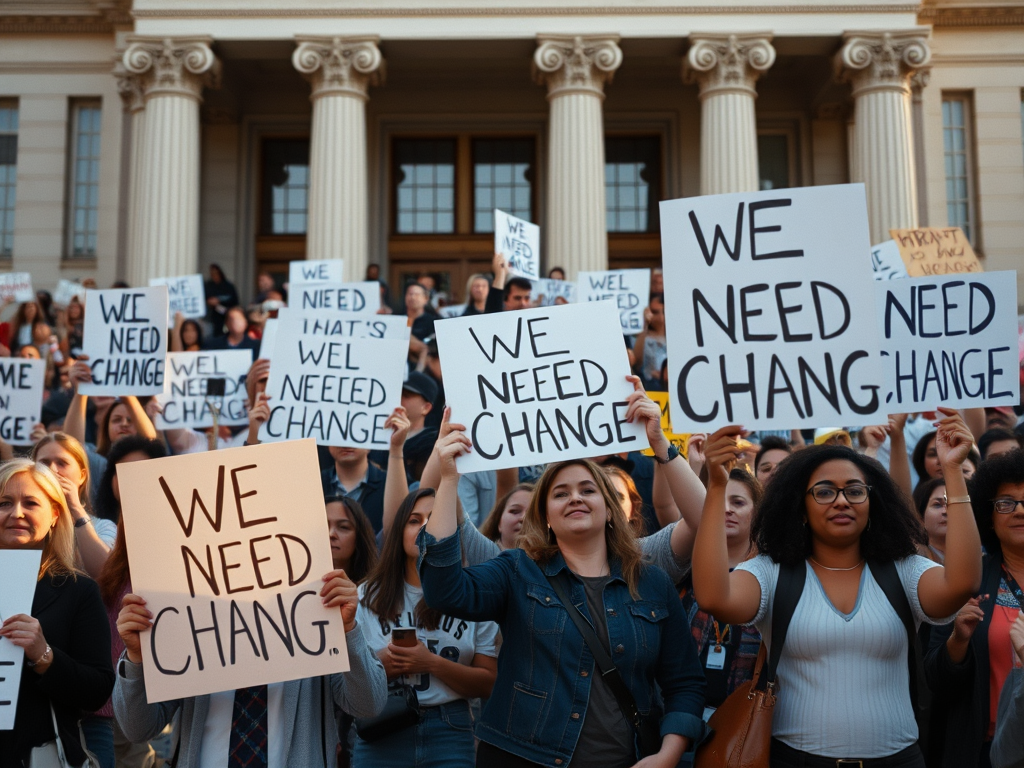
A Call to Action: Reform is Necessary
It’s astounding that despite years of ineffective counsel, Chad Miller avoided malpractice lawsuits or accusations of corruption. Yet, those familiar with his work as a public defender know the truth: he was working hand-in-hand with the El Paso County DA office and local law enforcement. In doing so, he secured his future by turning a blind eye to his own ethical obligations. This wasn’t an oversight; it was a strategy. He gained favor with those in power, earning their support for his eventual appointment to District Judge. And now that he sits on the bench, Miller’s arrogance has only grown. He continues to abuse his power, confident that the law does not apply to him as it does to others. His decisions are marked by bias and a lack of empathy, leaving those who appear in his courtroom feeling voiceless and defeated.
The time for complacency is over. Judges should be held to the highest standards, and Chad Miller has proven time and again that he falls far short of that mark. His legacy should not be one of unchecked power and corruption, but of accountability and justice—for those he has wronged, for the families he has broken, and for the children who deserve far better than what the system has offered them.
The appointment of Chad Miller as a District Judge has undoubtedly left an impact on the El Paso County community. His time as a public defender shaped his views on the justice system, but whether those views translate into fair and balanced judgments remains to be seen. His cases will now decide the fate of many individuals, and his decisions will carry significant weight.
As the community watches how Miller adjusts to his new role, questions about his lack of bench experience will likely continue. Time will tell whether his background as a public defender will provide the perspective necessary to be an effective judge, or if the lack of prior judicial experience will prove a challenge.
The controversy surrounding his appointment highlights the need for a more transparent and merit-based system in judicial appointments, one where experience and qualifications take precedence over political connections.
The cases of Gejuan Levar Lancaster and Jaime Duran represent more than just two wrongful convictions; they serve as a glaring example of a broken system that allowed a man like Chad Miller to ascend to a position of power, where he continues to make life-altering decisions. These men are serving life sentences, their futures stolen from them, while Miller continues to sit on the bench, passing judgment on others.
But the fight for justice is far from over. It’s time to shine a light on these injustices, to bring accountability to those who have abused their power, and to demand a review of these wrongful convictions. Gejuan Levar Lancaster and Jaime Duran deserve their day of reckoning, and it’s time that Chad Miller faces the consequences of his actions.
The truth is coming. And when it does, no title, no position, and no bench will protect him from the justice that he has so long denied others.
Enough is enough. The people of El Paso County deserve judges who meet the highest standards of integrity, fairness, and professionalism. Chad Miller has demonstrated, time and again, that he is not fit for the role. His failures as a public defender have carried over to his time on the bench, and his poor performance should be grounds for his removal—not a continued appointment until 2029. It’s time for a movement to demand better from our judges. It’s time to hold them accountable. Annual evaluations should mean something; they should be a tool for ensuring that only those who meet 100% of the standards sit on the bench. It’s time to end the era of complacency and demand a justice system that truly works for the people. I will not stand idly by while corruption and incompetence run rampant in our courts. There are SMART hearings every year regarding judicial budgets, and I will do everything in my power to lobby against those who do not comply with the rules of law. Chad Miller has no business on the bench, and I will fight to ensure he resigns and makes amends for the harm he has caused. The people of El Paso County deserve better, and I will not rest until justice is served.
Disclaimer: This article discusses a real story involving an alleged victim and an alleged accuser. It is published with the intention of informing and raising awareness about the complexities of such narratives. The content does not intend to defame or slander any individuals, and there are no legal consequences associated with the publication of this story regarding defamation or character slander.


 Justice Unlocked.
Leave a reply to justyna m. Cancel reply