
On July 1, 2024, I addressed a letter to the American Civil Liberties Union (ACLU) regarding a deeply troubling scandal involving the Colorado Bureau of Investigation (CBI), the Colorado Attorney General’s office, and district attorneys statewide. This scandal centers on Yvonne “Missy” Woods, a former DNA analyst at CBI, whose unethical conduct has cast a shadow over Colorado’s criminal justice system and compromised the integrity of countless cases. Despite initial outreach, it wasn’t until November 12, 2024, that the ACLU, joined by the Korey Wise Innocence Project (KWIP), took action by formally addressing these issues in a public letter. As they call for accountability, transparency, and justice, we are reminded of the critical need for systemic reforms to protect public trust and ensure justice.
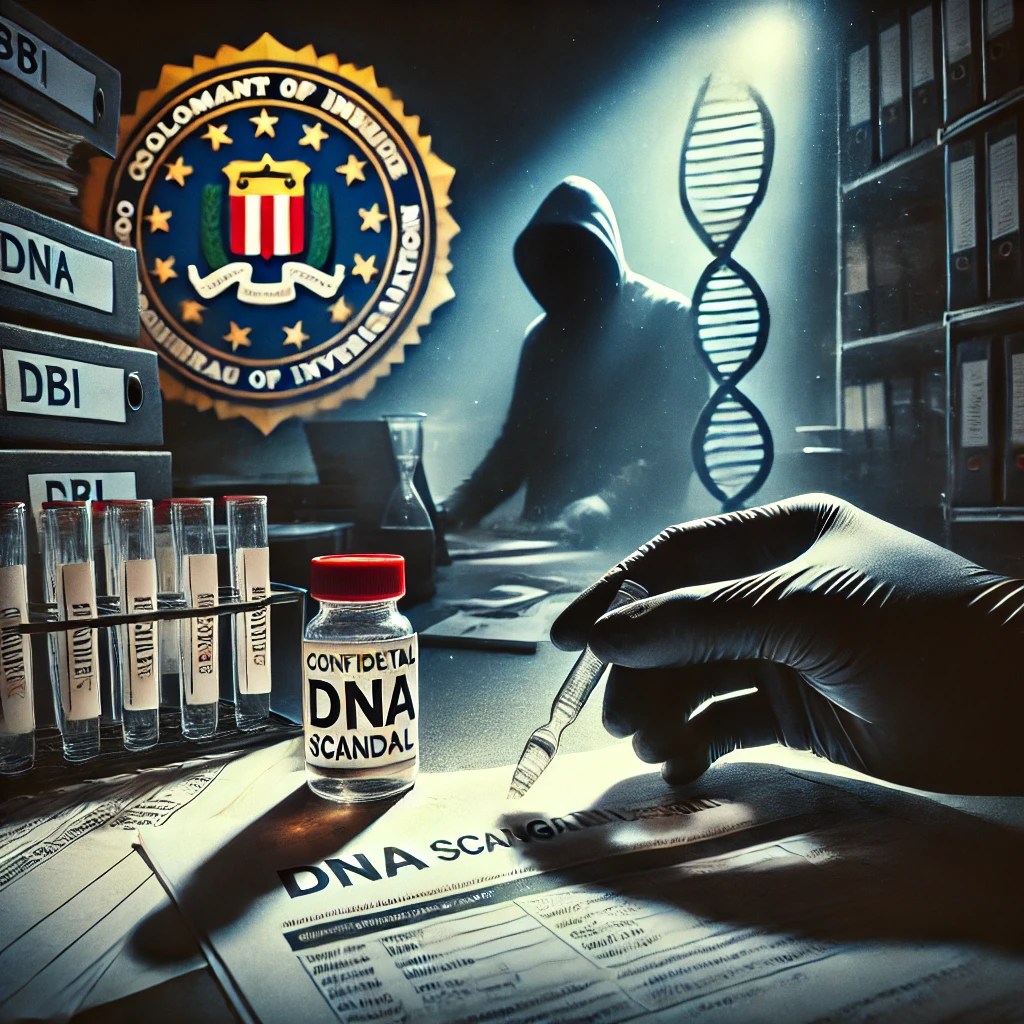
The Colorado DNA Scandal: Echoes of the Annie Dookhan Case
The CBI DNA scandal draws concerning parallels with the infamous Annie Dookhan case in Massachusetts, where misconduct in a forensic lab led to numerous wrongful convictions. Both scandals underscore the dangers of inadequate oversight, the potential for human error, and the catastrophic impact on lives and public trust.
- Misconduct and Evidence Manipulation
In both cases, evidence was allegedly mishandled, tampered with, or knowingly manipulated. In Colorado, Woods is accused of deliberately contaminating, mislabeling, and even deleting DNA samples. Similarly, Dookhan in Massachusetts admitted to tampering with drug case evidence, resulting in the wrongful convictions of many. These actions shattered lives and showcased the power forensic scientists wield—often without sufficient checks and balances.
- Impact on Criminal Cases and Public Trust
The repercussions of Woods’ actions ripple across hundreds of cases. The potential mishandling of evidence in cold cases, particularly sexual assault cases, means that both survivors and defendants have been denied justice. Similar to the Massachusetts scandal, these revelations have sparked deep public mistrust in the criminal justice system, calling into question the reliability of forensic evidence.
- Systemic Failures and Oversight Issues
The lack of oversight is a recurring theme in both Colorado and Massachusetts. Woods continued to operate without accountability, despite concerns raised by colleagues over several years. An internal investigation by CBI found that Woods, employed for nearly three decades, had been flagged multiple times but continued without intervention. The Massachusetts lab, likewise, had inadequate supervision, ultimately allowing Dookhan’s misconduct to persist for years.
- Calls for Legal and Policy Reforms
The fallout from Woods’ actions has fueled demands for reform in forensic science protocols in Colorado, including enhanced training, oversight, and more stringent checks to prevent misconduct. The ACLU and KWIP are pressing for a comprehensive audit of CBI practices and an overhaul in its management of forensic evidence. In Massachusetts, similar calls for reform led to stringent policy changes that improved oversight and accountability.
Missy Woods: What Drove Her to Commit These Acts?
Woods’ motivations remain unclear, and her responses have only deepened the confusion. During internal affairs questioning, she attributed her actions to financial pressures as a single mother, which many find difficult to believe given the severity of her misconduct. Comparing her with Dookhan reveals another possible motivation: a need for recognition and control over justice. Dookhan was reportedly driven by a need for validation, cutting corners to earn recognition, despite the devastating consequences.
In Woods’ case, her behavior suggests a level of calculated indifference to the impact on innocent lives. Some speculate she may have been driven by personal trauma or a desire to “play judge,” choosing cases where evidence might be easier to manipulate. However, these theories do not excuse her actions—they merely highlight the complexity of motivations that could drive someone in such a trusted position to betray that trust.

ACLU and KWIP Demand Accountability from CBI
On November 12, 2024, after my initial correspondence, the ACLU of Colorado and KWIP took decisive action. They sent a formal letter to CBI leadership demanding answers to key issues, particularly CBI’s federal compliance under the Paul Coverdell Forensic Science Improvement Grant. KWIP’s investigation found that CBI designated the Jefferson County Sheriff’s Office (JCSO) as its external oversight body, yet JCSO reportedly had no established procedures for investigating CBI misconduct and may not have even known of its role as CBI’s designated Coverdell entity.
The Paul Coverdell Forensic Science Improvement Grant Program is a federal initiative established under the Justice for All Act of 2004, specifically designed to enhance the quality and timeliness of forensic science and medical examiner services in the United States. Administered by the U.S. Department of Justice’s Bureau of Justice Assistance (BJA), this grant aims to support state and local laboratories in addressing various challenges in forensic science, including backlogs, inadequate resources, and issues with the accuracy and reliability of forensic testing.
Key Objectives of the Paul Coverdell Forensic Science Improvement Grant
The Coverdell Grant focuses on improving forensic science practices by providing resources for training, equipment, laboratory accreditation, and infrastructure. Its objectives include:
- Reducing Backlogs: Many forensic labs face significant case backlogs, which can delay the criminal justice process. The grant provides resources to hire more personnel, increase operational capacity, and expedite the processing of forensic evidence.
- Enhancing Quality Control: Forensic laboratories funded through the Coverdell Program are expected to adopt rigorous quality control measures. This includes implementing standardized protocols and employing advanced technology to ensure reliable and valid forensic evidence.
- Professional Training and Development: The grant encourages laboratories to invest in the ongoing training of forensic scientists, ensuring they are knowledgeable about the latest developments, techniques, and best practices in forensic science.
- Accreditation and Certification: The program promotes the accreditation of forensic laboratories and certification of forensic examiners, aiming to uphold consistent and credible standards across forensic services nationwide.
- Independent Oversight: One of the unique requirements of the Coverdell Grant is the need for recipients to establish an independent entity to investigate allegations of negligence or misconduct. This oversight is intended to address concerns about integrity and accountability in forensic science, which is critical in cases where forensic evidence is central to determining guilt or innocence.
Compliance and Accountability Under the Coverdell Grant
Under the Coverdell Program, recipients must demonstrate a commitment to federal compliance standards. This includes setting up an external entity to handle complaints or allegations of serious misconduct, which ensures that forensic evidence used in criminal cases remains accurate and trustworthy. Failure to adhere to these federal guidelines may lead to audits, reduced funding, or even loss of eligibility for future grants.
Challenges in Implementation
Despite the Coverdell Grant’s positive intentions, some labs have faced challenges in meeting the oversight requirements. For instance, as highlighted in recent investigations involving the Colorado Bureau of Investigation (CBI) and DNA analyst Yvonne “Missy” Woods, issues like inadequate oversight, lack of proper external investigative processes, and limited audits have surfaced. These problems underscore the need for rigorous adherence to Coverdell Grant standards to prevent systemic failures in forensic science.
Implications of Non-Compliance
Cases like those involving Woods bring to light the severe consequences of non-compliance with the Coverdell Grant. Without strict oversight and adherence to the grant’s guidelines, the potential for misconduct and evidence tampering increases, potentially leading to wrongful convictions, compromised case outcomes, and a loss of public trust in forensic science.
The Limited Scope of the CBI Audit: Why a Full Investigation is Essential
The ACLU and KWIP have raised concerns over CBI’s limited audit of Woods’ cases, covering only a two-year span from 2022 to 2024, despite her misconduct dating back to at least 2014. This narrow focus ignores years of potential misdeeds, leaving hundreds of cases unexamined. Furthermore, CBI’s internal control over the audit may compromise its independence, potentially allowing the very individuals implicated to influence the investigation. True transparency and justice require a complete, unbiased review of Woods’ work throughout her tenure.
Restoring Public Trust: The Role of Transparency and Reform
Public trust in Colorado’s forensic science has been deeply shaken. To restore it, the ACLU and KWIP urge CBI to adopt measures ensuring accountability and transparency in all forensic cases. Specifically, they call for:
- A Comprehensive, Independent Audit: A full review of all cases impacted by Woods’ misconduct, free from CBI’s internal influence.
- Enhanced Oversight Mechanisms: An external body must be established and prepared to investigate future misconduct swiftly and without bias.
- Stakeholder Involvement: Affected individuals and advocates must be informed and included in the process, not merely law enforcement.
The Cost of Forensic Misconduct: Human Lives and Public Trust
For the families of wrongfully convicted individuals, the stakes could not be higher. Every case touched by Woods deserves a thorough re-evaluation, and every impacted person deserves their day in court. The burden of these injustices is felt not only by the individuals directly affected but also by a public losing faith in a justice system they expect to be fair and impartial.
Moving Forward: The Demand for Justice Continues
While the ACLU and KWIP have taken significant steps, this journey is far from over. We must demand accountability from CBI and all agencies involved. Forensic science must be a tool of justice, not a weapon of bias or negligence. Colorado, like Massachusetts before it, has the opportunity to address these failures openly, to make meaningful reforms, and to rebuild public trust.
This is a call to action—for transparency, for accountability, and for justice. The people of Colorado deserve a system they can trust, and those impacted by Woods’ misconduct deserve truth and rectitude. As advocates, citizens, and taxpayers, it is our duty to demand these essential reforms.


 Justice Unlocked.
Leave a reply to justyna m. Cancel reply