
Colorado has shifted from a battleground state to a Democratic stronghold in recent years, with its electoral votes going to Democratic candidates in the last four presidential elections.
However, the state has historically leaned Republican, having voted for GOP candidates 22 times compared to Democrats’ 14 since gaining statehood in 1876, according to 270towin.com. Colorado once deviated from the two-party system in 1892, casting its vote for the People’s Party candidate, James B. Weaver.
Colorado’s Historically Rare Democratic Wins
From 1920 to 2004, Colorado remained largely Republican. However, during that period, the state did vote for Democratic candidates on a few occasions, including Franklin D. Roosevelt in 1932 and 1936, Harry S. Truman in 1948, Lyndon B. Johnson in 1964, and Bill Clinton in 1992, according to 270towin.com.
The Shift from Battleground to Blue
The tide turned in 2008 when President Barack Obama carried Colorado, and the state has voted Democratic in every presidential election since. In terms of gubernatorial leadership, Colorado has seen a more balanced mix, electing 18 Democratic and 17 Republican governors, along with one who served under both parties, since 1879, according to the National Governors Association.
The last Republican governor to hold office in Colorado was Bill Owens, who served from 1999 to 2007.
The Real Reason I Opposed That Bill: A Broken Legislative Process
In recent weeks, I have been vocal about my opposition to certain bills being pushed through the legislature. I want to clarify why I stand so firmly against these measures. My opposition is not based on partisan politics alone, but rather on the glaring issues I have witnessed firsthand in the legislative process. To ensure full transparency, I have recorded and transcribed committee minutes, revealing the deeper problems that plague the system.
A Lack of Credibility and Preparation
One of the primary reasons I oppose these recent bills is the sheer lack of research and preparation by the legislators pushing them forward. Many of these Democratic-led proposals are hastily written, often consisting of a few vague sentences with no substantial research or data to back them up. Yet, these bills still pass because party loyalty trumps critical thinking. If a bill were written about potatoes and carrots, it would still be rubber-stamped with approval simply because it comes from the right party.
Colorado: A Historically Republican State
Despite recent election results, Colorado has not always been a Democratic stronghold. Historically, it was a Republican state until the demographic shift brought by an influx of people moving to the Denver metro area. The state’s political transformation after Obama’s victory in 2008 does not reflect the true political roots of Colorado. Instead, it showcases how rapid population changes have altered the voting landscape, often at the expense of the state’s traditional values.
A Decline in Legislative Integrity
I have testified at the Colorado State Capitol for over a decade, appearing before different chairs and vice chairs—both Democrats and Republicans. Until recently, I believed that, regardless of party affiliation, legislators were working in the best interest of the people. However, the last two years have been a wake-up call.
What I now realize is that many of these politicians are not here to serve the people. They are here for personal gain, crafting legislation that serves their own interests rather than those of their constituents. The illusion of competence and intelligence surrounding these lawmakers quickly fades when you witness their lack of preparation, their inability to engage in meaningful discussions, and their blatant disregard for differing opinions.
The Problem with Senator Julie Gonzales
One of the most troubling figures in this legislative chaos is Senator Julie Gonzales. She has made it a point to inject her personal identity into every hearing, constantly emphasizing her pride as a Latina. While cultural pride is not inherently problematic, using it as a political tool to push a controversial agenda is a different story.
She is an outspoken supporter of illegal immigration and has even disrupted official hearings to protest on the Capitol steps. I have personally witnessed and recorded her antics—screaming in public like an absolute lunatic. Her aggressive rhetoric and divisive tactics do nothing but further alienate lawmakers and create unnecessary hostility. It is no surprise that, under her leadership, Colorado has faced federal funding freezes. When your approach to governance is based on theatrics rather than policy, you should not be surprised when the federal government chooses to withhold financial support.
The Dangerous War Against the Department of Corrections
Another serious issue is the ongoing political war between Democratic legislators and the Department of Corrections (DOC). Senator Gonzales, in particular, has fueled animosity between lawmakers and DOC officials, advocating for policies that directly undermine the department.
The consequences of this battle will not be felt by her or her colleagues in the legislature. Instead, the people who will suffer are those behind prison walls—the very individuals these lawmakers claim to be advocating for. The more political pressure placed on the DOC, the more resistance they will encounter, leading to retaliation against incarcerated individuals. Legislators who lack a fundamental understanding of correctional policies should not be dictating how the DOC operates.
I am not against reform. I am not against progress. What I am against is reckless governance, political theater, and the complete disregard for well-researched policymaking. When legislators prioritize their personal agendas over the needs of the people, the entire system suffers. Until we demand accountability and competency from those in power, Colorado will continue to drift further into dysfunction.
I refuse to stand by and watch as these so-called leaders destroy what is left of responsible governance. And if that means standing in opposition to their bills, then so be it.

Bill 25 – 1129
The bill adds peer-to-peer peer support behavioral health services programsthat are provided by credentialed peer support professionals or other researched-based programs as a component that may be included in an initiative.
Next up, we have House Bill 25- 1129, and I am joined by my colleague, Senator Paul. I would love for you to kick us off if you’d like.
Sure. I’m in the process of joining this bill, so I’ll let Senator Amabile do most of the talking. However, I’ll just say that I have worked with peer support programs in the past. It’s an emerging field with a lot of strong data behind it, all based on the common-sense idea that when someone is struggling with addiction or mental health challenges, seeing and speaking with someone who has been in that same position can be incredibly beneficial. Many of the most successful programs in the state and city, with solid data backing them, involve peers—particularly certified peers who are licensed professionals. These programs have shown great success in improving outcomes for individuals leaving prison, helping them reintegrate into society, and reducing recidivism.
On that note, I’ll turn it over to the bill sponsor.
Thank you, Senator Balsam.
Senator Amabile: Thank you, Madam Chair. This bill adds language specifying that peer support should be a part of the Department of Corrections (DOC) reentry program. That program has existed for over ten years, helping to reduce recidivism and support individuals in safely reintegrating into their communities. However, the current statute does not specifically mention peer support specialists.
That omission makes sense because, a decade ago, when the statute was first established, the significance of peer support in treating substance use and mental health disorders was not as widely understood as it is today. Over the past ten years, we have recognized that peer support is a critical component—not the only solution, but a vital part of the process.
This bill does not increase costs, as peer support specialists are already performing this work. It simply ensures that peer support is explicitly valued in the statute and provides a clear definition of what it entails. I would greatly appreciate your support.
Thank you both for bringing this policy forward for our consideration. Colleagues, do we have any questions for either of our bill sponsors?
Senator Beasley: Thank you, Madam Chair. And thank you, Senators. My question is about the purpose of this bill. From what I understand, it seems to highlight the peer support approach, but is this something that is currently prevented from being implemented? Does the department or agency require explicit authority, or is the goal to codify it in law to ensure it remains part of the program?
Senator Amabile: Thank you, Senator Beasley. The answer is yes—they would like to have it codified in law to ensure that these professionals are included in the program on an ongoing basis.
Examining House Bill 1125: A Flawed Approach to Peer Assistance in Reentry
If you take the time to read House Bill 1125 regarding peer assistance in reentry, you’ll quickly realize that it consists of just three vague sentences. It feels as though someone hastily wrote this bill while sitting in a public restroom, giving little thought to its real-world implications. The language is ambiguous, failing to specify what kind of peer assistance is being referred to.
As a certified peer coach in recovery working toward licensure, I can say with confidence that this bill lacks substance and clarity. Despite its shortcomings, it was still passed—largely due to the Judiciary Committee being controlled by a Democratic majority (five Democrats to two Republicans). The unfortunate reality is that bills like these get passed without thorough research or consideration, funded by taxpayer money.
When questions were raised about the specifics of the bill, even its own proponents admitted that more details should have been included. Yet, they still pushed it through. The bill does not clarify whether peer assistants need to be licensed or certified. It does not define whether it applies to behavioral or mental health professionals. It vaguely mentions behavioral support but fails to address addiction recovery, mental health struggles, or reentry challenges comprehensively.
Furthermore, what does “reentry” even mean in the context of this bill? Reentry typically begins six months before an individual is released on parole. Will these peer assistants be entering prisons to work with inmates before release? Or will they only provide support once individuals are back in society? The bill provides no clear answers.
One has to question the true motive behind this bill. With many Democrats facing reelection in the next two years, is this truly an effort to improve the Department of Corrections (DOC), or is it just another political maneuver to win votes? If they genuinely cared about those behind prison walls, they would draft legislation with clear guidelines and practical applications, rather than passing empty, feel-good policies that ultimately accomplish nothing.
Additionally, peer assistance programs already exist. There are peer assistants working inside prisons, with inmates themselves serving as peer mentors. Various organizations already provide certified and licensed peer recovery coaching, funded through Medicaid and other means. So why is this bill necessary? One Republican senator raised an important point: is this program not already in place? The answer is yes, it is.
This brings us back to the fundamental question: what is the actual purpose of this bill? It appears redundant at best and performative at worst. Until lawmakers start drafting legislation with clarity and accountability, bills like HB 1125 will continue to be nothing more than political gestures devoid of real impact.
Examining the Lack of Oversight in Wagees’ Reentry Funding
During the 2018 legislative session, Colorado’s reauthorization bill (HB18-1176) passed with a significant funding increase, raising the annual appropriation to $5.7 million, with another sunset review scheduled in five years. This expansion allowed the number of community reentry organizations receiving grants to grow to 19 statewide. Funding continued to rise, reaching just over $7 million in 2019 and increasing to $9 million in 2020. Given this trajectory, it is reasonable to assume that in 2024, the budget has likely doubled since 2020. However, a crucial question remains: how many individuals going through reentry genuinely receive the help they need from these organizations?
Despite the substantial financial backing, there is no comprehensive audit of Wagees or its reentry programs. While paperwork exists to track expenditures, the organization largely self-reports its impact, creating its own definition of recidivism rates. Given these circumstances, it is unsurprising that Wagees claims success, yet the reality on the ground tells a different story. The statewide recidivism rate remains alarmingly high—over 70%—showing no real signs of improvement despite the millions of taxpayer dollars funneled into reentry efforts.
The disconnect between funding and tangible outcomes raises concerns about how these organizations allocate their resources. Rather than being directed toward individuals in need, much of the money appears to be absorbed by case managers, directors, and administrative staff. Wagees claims to have assisted 2,000 individuals and provided housing for hundreds, but where is the verifiable data? Without an independent audit, these figures remain unsubstantiated.
Repeated requests for an audit of Wagees have gone unanswered. Legislators, particularly those sponsoring these funding increases, tout reduced recidivism rates yet fail to provide concrete data to support their claims. How can lawmakers assert that reentry services are improving if they lack the necessary evidence?
Moreover, with the introduction of new peer assistance programs, critical questions arise: Will these services be funneled through Wagees? Will they operate as independent contractors? How will the funding be allocated? The bill meant to implement these changes consists of just three vague sentences, leaving the public and policymakers in the dark about how these services will be structured and whether they will genuinely benefit returning citizens.
The reality is that many individuals in reentry continue to be denied the assistance they desperately need. Reports of people dying due to lack of support from these organizations are ignored, swept under the rug by those who should be held accountable. Despite repeated inquiries, Democratic legislators sponsoring these bills have failed to provide answers about the effectiveness of the programs they champion.
Taxpayer money should be used efficiently and transparently, especially when it is meant to support vulnerable populations. The refusal to audit Wagees raises serious red flags about potential corruption and mismanagement. I will continue to push for accountability, demanding a full audit of Wagees’ financials and impact over the past ten years since its establishment in 2014. It is time to ensure that reentry funding is used for its intended purpose—helping individuals reintegrate into society—not lining the pockets of administrative staff in compromised, unregulated organizations.
The Truth Behind the Push to Codify Professionals in Law: Misrepresentation or Genuine Support?
The answer is yes—they would like to have it codified in law to ensure that these professionals are included in the program on an ongoing basis. At least, that is what the bill’s sponsor, a Democrat, claims. But is that truly the case?
During the hearing, the sponsor stood before a Democratic-controlled Judiciary Committee, asserting that the Department of Corrections (DOC) supports this measure. However, with all due respect, there was no one representing DOC, either via Webex or in person, to confirm this claim. So, the question remains: Did the DOC officially endorse this bill, or is this yet another instance of a politician manipulating the narrative to push legislation through in their favor?
The lack of DOC representation is highly concerning. If the department genuinely supported this bill, why were they absent from the discussion? Typically, when state agencies back a policy, they send representatives to testify, answer questions, and provide clarity on their stance. In this case, there was nothing but the word of a Democratic lawmaker, leaving us to wonder whether this is an outright misrepresentation.
The importance of codifying professionals into law is not in question. Ensuring that qualified individuals are consistently involved in these programs is crucial for their success. However, we cannot overlook the glaring absence of transparency. If the DOC truly wants this legislation, why was their voice missing? If they did not approve it, then why is a lawmaker falsely claiming their support?
This is a matter of integrity. I intend to get to the bottom of it by reaching out directly to the DOC director. I will ask him a simple yet critical question: Did the DOC approve this bill? Were they consulted? Or is this yet another case of a politician using smoke and mirrors to push an agenda that may not even align with the interests of the department it supposedly benefits?
The public deserves honesty, and lawmakers should be held accountable for their claims. If this bill is truly necessary and beneficial, let it stand on its own merits—not on fabricated endorsements. Until we receive a direct answer from DOC, we must question the validity of the sponsor’s statements and demand transparency in the legislative process.
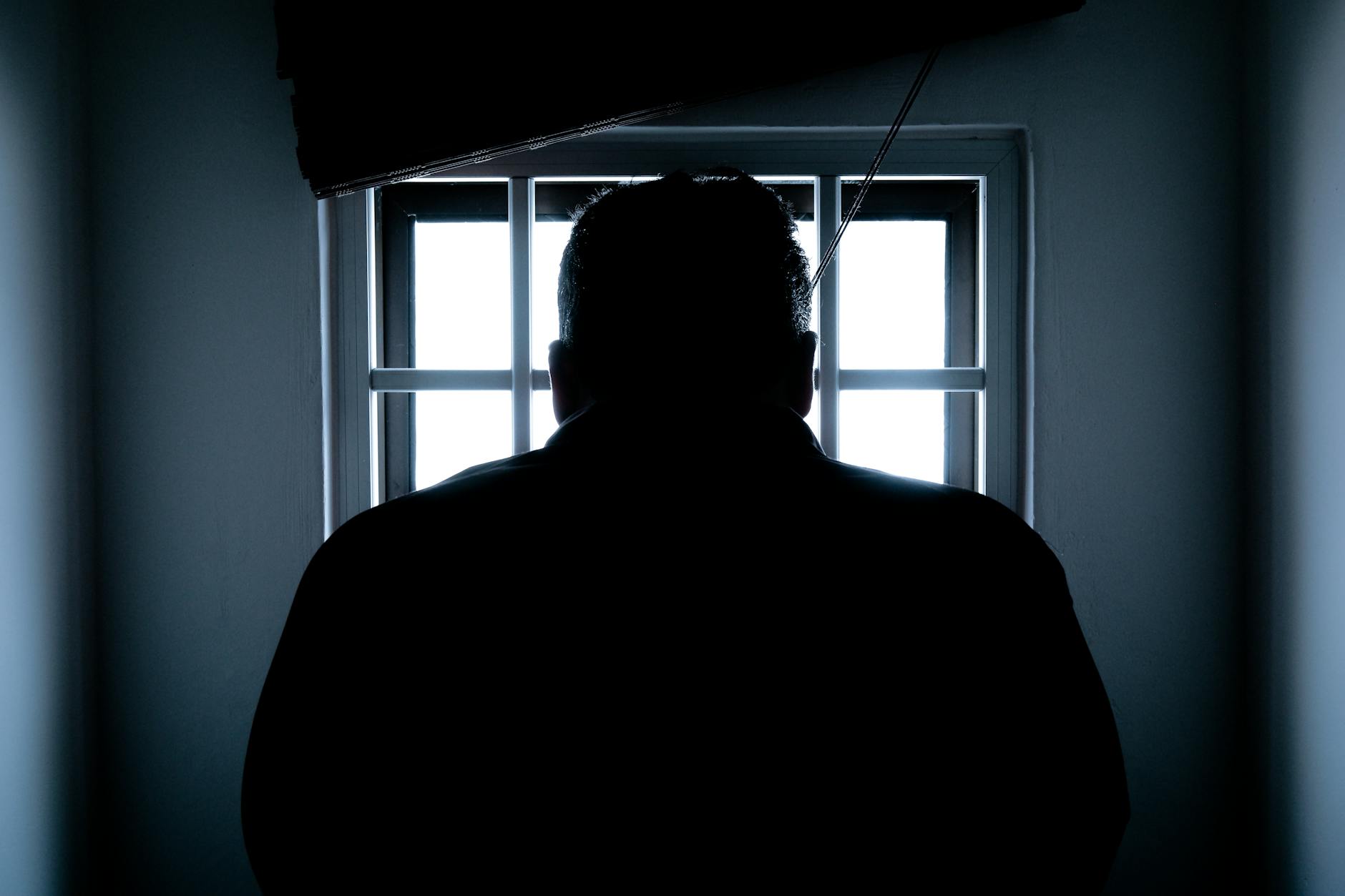
A Bill Without a Purpose: The Lack of Transparency in Prison Reentry Legislation
Legislation is meant to serve the people, yet what happens when the very people it affects are ignored? This question lies at the heart of my concerns regarding a bill sponsored by Representative Garcia. Despite claiming to address prison reentry and peer support programs, the bill raises more questions than answers, and its creator refuses to engage in meaningful discussions about its impact.
I have personally questioned Representative Garcia on multiple occasions regarding the contents of her bill. Specifically, I asked if she had ever stepped inside a prison to speak with those directly affected by reentry policies—the individuals performing peer support roles and those in need of assistance upon release. These are the people who should have a say in shaping policies that impact their future. However, rather than addressing these concerns, Garcia stormed out of the room, unwilling or unable to provide an answer.
How can anyone craft legislation for reentry programs without consulting those living through the process? If the goal is to create effective policy, lawmakers must engage with the individuals on the frontlines. Instead, what we have is a bill written in vague language, offering no specifics on implementation, funding allocation, or measurable outcomes. It’s nothing more than an empty promise, yet another political move designed to appear proactive while failing to deliver real results.
One of the most alarming developments surrounding this bill is the sudden change in how incarcerated peer assistants are compensated. Previously, individuals performing these essential roles received a set monthly wage. Now, their pay has been slashed to a mere $5 per day—and only if they are actively called upon for work. This change occurred just weeks after Garcia’s bill surfaced. Is this a coincidence, or is this bill a direct attack on the financial stability of incarcerated peer workers?
This issue underscores a larger problem: the unwillingness of Democratic legislators to answer difficult questions about the policies they champion. They claim to advocate for lower recidivism rates and better reentry services, yet they refuse to provide data to support their claims. If recidivism has truly declined, where is the evidence? If taxpayer money is being spent effectively, why is there no transparency in how it is allocated?
The reality is that this bill is yet another example of political maneuvering at the expense of vulnerable populations. It is not designed to improve reentry services or support those coming out of prison—it is a tool for securing votes and advancing political careers. Legislators sit in their comfortable offices, passing bills that sound good on paper while ignoring the people whose lives are directly impacted.
This is why I question the value of even testifying before the Democratic-led Judiciary Committee. With an overwhelming majority, they pass bills without genuine debate or consideration for opposing viewpoints. They treat taxpayer money as an unlimited resource, doling it out without accountability, all while pretending to serve the interests of the people.
Enough is enough. We must demand transparency, accountability, and a commitment to real solutions. If lawmakers want to create effective prison reentry policies, they must start by listening to the people inside the prison walls. Anything less is a betrayal of justice.


 Justice Unlocked.
Leave a reply to All alone Cancel reply