
David Coleman, second from the left
The Truth Behind Nonprofits, Clemency, and Hidden Agendas
I’ve written about this subject many times before, including the Second Chance Center, the Denver Dream Center, and other nonprofits that present themselves as beacons of hope but often raise questions of corruption, hidden agendas, and self-serving motives. The more I dig, the more problems come to the surface.
There’s an old saying: a leopard can’t change its stripes. Some people may shake off their past, but deep down, they remain who they always were. And that truth becomes painfully clear when looking at the revolving door between prisons, nonprofits, and political agendas.
The Cycle of Image-Building
When people commit serious crimes and serve their time, they often emerge claiming they want to “change the world.” But too often, what we see is not humility or true rehabilitation—it’s about image, identity, and control. These individuals build organizations or attach themselves to nonprofit projects, but their motives remain self-centered.
In prison, these same people might be called “snitches” or “trustees.” They may appear to be exemplary inmates, never getting written up, cooperating closely with the Department of Corrections (DOC). Whether or not they’re on the payroll, they understand how to work the system. And in return, the DOC uses them as “model” prisoners—people who can be showcased, recommended, and eventually put forward for clemency or pardons.
Clemency and Connections
Do I blame the DOC for this? Not exactly—they have their own agenda. Clemency and pardons in Colorado, particularly under Governor Jared Polis, have revealed troubling patterns. Time and again, the people who receive clemency aren’t necessarily the ones who have quietly served their time with integrity. Instead, they’re often the ones with connections, nonprofit backing, or a carefully crafted narrative.
Looking at the past few years, a large number of those granted clemency or sentence reductions are individuals with serious charges—drug distribution, violent crimes, even murder. Yet they are presented as “rehabilitated, low-risk offenders.” Meanwhile, countless men and women who have genuinely changed and earned a second chance are left waiting, ignored because they don’t have the right advocates or the right political ties.
The uncomfortable truth is this: clemency is less about merit and more about influence. It’s about who you know, who speaks for you, and how the DOC frames your story.
Nonprofits and Their Role
Organizations like the Second Chance Center and others step in, often acting as gatekeepers. They know how to play the political game, how to sell stories of redemption, and how to leverage influence. And while some of their work may help individuals, the bigger picture suggests self-promotion and hidden agendas.
Even groups tied to powerful names, such as the Korey Wise Innocence Project, have complicated ties and overlapping interests. These organizations may mean well on the surface, but when you follow the trail, the focus shifts from justice to image, connections, and power.
Where Do We Go From Here?
Colorado still has one more year under Governor Polis, and with that, another cycle of clemency and pardons. Will anything change? Or will the same system of favoritism, backroom deals, and political influence continue?
What’s heartbreaking is the number of people I personally know—men and women who deserve a real second chance—who will never be considered because they won’t play the political game. They won’t beg, they won’t flatter, and they won’t attach themselves to organizations that thrive on power and control.
Until the clemency process becomes truly fair and transparent, it will remain a system of winners and losers determined not by justice, but by influence. And that, in itself, is one of the greatest injustices of all.
Dave Coleman: A Case Study in Clemency, Excuses, and Injustice
When I first met Dave Coleman, just a few months after his release in 2023, he came across as a shy, soft-spoken man—warm, polite, and respectful. At the same time, he carried invisible walls. You could see the discomfort when he stood in a crowded room. After spending over 20 years in prison, being suddenly surrounded by large groups wasn’t natural for him. He attended one of our advocate gatherings, but it was clear: this wasn’t his space, and he didn’t belong there.
Coleman’s story, however, goes much deeper—and much darker.
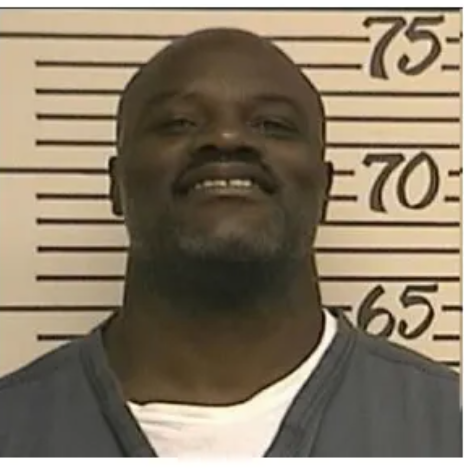
A Conviction from 1987
In 1987, at just 22 years old, Coleman was convicted of first-degree murder. He pleaded guilty and was sentenced accordingly. His explanation? That his violence was fueled by drug addiction and post-traumatic stress disorder (PTSD).
He served less than two years in the military, so unless he faced combat, the severity of his PTSD is questionable. I don’t dismiss mental health struggles—but I have to question them when they’re used as excuses for taking a life. Many veterans I know struggle with real PTSD. Some spend five weeks in intensive inpatient clinics just to manage it, without ever harming another soul.
So when someone leans on PTSD as justification for murder, it’s hard not to feel skeptical. If he’s telling the truth, then I hope he finds healing. But if not, I trust karma has its own way of correcting lies.
Life Behind Bars
Inside prison, Coleman had a reputation as an “exemplary inmate.” For over two decades, he avoided trouble, complied with rules, and kept a spotless record. But this, too, deserves a closer look.
Coleman at times rocking in his chair, calming himself like someone institutionalized for far too long. Was this unresolved trauma? Untreated mental illness? Or simply the result of being molded by decades of incarceration? Whatever the case, the system held him up as a model prisoner—someone “safe” to recommend for clemency.
The Network of Nonprofits
Naturally, upon release, Coleman connected himself with the usual web of organizations: Second Chance Center, Seven Habits programs, and other advocacy groups. It’s always the same pattern. Those tied to these programs seem to move to the front of the line when it comes to clemency, pardons, or sentence reductions—especially under Governor Jared Polis’s administration.
This isn’t rehabilitation. This is corruption disguised as mercy. While men and women with legitimate cases for clemency wait endlessly, people like Coleman—who committed heinous crimes—get ushered through because they’re “plugged in” with the right groups.
Should He Have Been Released?
Let’s be clear: Coleman is guilty. He admitted it. He took a life. And no matter what reasons he gives—PTSD, drugs, or institutional trauma—nothing justifies that. Taking a life is not a decision any of us have the right to make. That power belongs to God alone.
So do I believe Coleman should have been released? Absolutely not. The crime he committed was irreversible, and the excuses don’t erase the victim’s loss or the family’s pain. His freedom today represents not justice, but a system that rewards connections, appearances, and carefully packaged redemption stories.
The Bigger Problem
Coleman’s release isn’t just about one man—it’s about the failure of clemency in Colorado. True second chances should go to those who have genuinely changed, not those who play the system. Unfortunately, the politics of clemency, the influence of nonprofits, and the hidden agendas at work ensure that people like Coleman benefit while countless others are left behind.
And that is the real injustice.
David Coleman and the Problem with Power, Politics, and Second Chances
You might wonder why I’ve chosen to write about David Coleman. The reason is simple: his case is the perfect example of how deeply flawed and corrupted our reentry and nonprofit systems have become. Coleman should never hold the position he currently occupies within the City and County of Denver.
From Inmate to Care Manager
Let’s remember who Coleman is. In 1987, at the age of 22, he was convicted of first-degree murder. That is not speculation—it’s a fact. He was guilty, and he was sentenced accordingly. By all definitions, he is a criminal. Unlike those wrongfully convicted, Coleman was rightfully convicted and should have remained behind bars to serve his full time.
Fast forward to around 2024, and suddenly Coleman is no longer an inmate—he’s a care manager in Denver’s reentry programs, specifically tied to the MOORE Center in collaboration with the Second Chance Center (SCC). Care manager? Director? These titles sound impressive, but what do they really mean? In community corrections, I’ve never seen this kind of role defined the way it’s being handed to Coleman. It looks less like an earned position and more like a seat created just for him.
And here’s the bigger question: how did a man with such an extensive criminal record pass a background checkfor a city and county job, when every other applicant has to meet strict standards?
The MOORE Center and Second Chance Center
According to their own description, the MOORE Center is a “collaborative program between the City and County of Denver and the Second Chance Center.” Their mission statement is polished: they call it “innovative, research-based, trauma-informed.” They claim to empower men with criminal justice backgrounds to reintegrate into society.
The Second Chance Center, founded in 2012 by Hassan Latif, has expanded its reach far beyond Aurora, where it was established. Today, SCC has its hand in nearly every board, nonprofit initiative, and reentry program tied to Denver. It’s less about staying in their lane and more about building power and control across multiple systems. And when Latif couldn’t step into every role himself, suddenly Coleman appears to take a leadership position.
So let’s call it what it looks like: criminals managing criminals.
The Illusion of Transformation
Many will argue that Coleman has changed—that he’s an example of rehabilitation, a man who deserves a second chance. But putting on a white shirt, tie, and fitted suit does not erase the past. A mugshot and a conviction for murder don’t disappear because someone says they’re reformed.
Coleman was not wrongfully convicted. He admitted guilt. And while people may rally around him now, praising his story of change, I see it differently. In my eyes, he is still the man in DOC greens, bald-headed, serving time for taking a life that wasn’t his to take. Only God has that authority, not Coleman and not anyone else who chooses violence.
Dividing Opinions
I know this article will divide people—and that is exactly the point. Some will support Coleman, arguing he has earned his place in society, that he’s paid his dues, that he’s working to help others. Others, like me, see through the narrative. I see someone who has benefited from connections, politics, and a nonprofit machine that thrives on influence rather than fairness.
And that’s where the true injustice lies. While many men and women sit in prison, waiting for clemency or parole, following every rule, demonstrating real transformation, Coleman skips the line because he has the right affiliations. He’s part of the Second Chance Center’s network, and that network is deeply entwined with Denver’s government.
The Bigger Picture
The MOORE Center and the Second Chance Center may present themselves as progressive, trauma-informed solutions. But behind the polished language lies a reality of favoritism, questionable hiring practices, and blurred lines between nonprofits and government.
The truth is, David Coleman should never have been released early, let alone given a position of power over others in reentry. His case is not a story of redemption—it’s a story of how connections and influence override justice.
And if Denver is truly committed to public safety and fairness, then they need to answer a simple question: Why is a convicted murderer now employed in a position of authority within their system?
David Coleman: Snitch, Gatekeeper, or Puppet?
When it comes to David Coleman, there’s no shortage of controversy. Some say he’s an example of rehabilitation, others see him as a danger to fairness and justice in our reentry system. After speaking to someone who did time with Coleman—whose name I will not disclose for protection—it became clear just how complicated his role has become.
According to this source, Coleman himself admitted that it is “very hard for him to send people back to prison.” That raises a serious question: if Coleman works in community corrections as a so-called care manager—a role still poorly defined—what happens when people under his supervision break the rules, commit new crimes, or violate conditions? Does he look the other way out of sympathy? Or does he use his insider knowledge to push them back into prison faster than anyone else?
The answer might be both.
Playing Both Sides
Coleman is in a unique position. On one side, he claims compassion, finding it “hard” to return people to prison. On the other side, he’s someone who knows the system inside and out—because he was the system. He spent decades in prison. He knows the tricks, the loopholes, and the weak points. That makes him the perfect “snitch,” not just for the DOC but for the entire reentry apparatus.
This is what makes him dangerous: he can play both sides. As the old saying goes, a tiger never changes its stripes.Coleman may appear reformed, suited up in his white shirt and tie, but deep down, he is still the man convicted of murder in 1987.
The PTSD Excuse
Coleman often cites PTSD as part of the explanation for his crime. He served less than two years in the military, and unless he saw combat, it’s difficult to believe that his PTSD was the kind of severe trauma many veterans face. In fact, his PTSD claim played a role in his sentence reduction and clemency from Governor Polis.
This raises another issue: What about the hundreds of veterans who served multiple combat tours, live with real PTSD, and sit in prison today? Many of them struggle with untreated mental health crises, and yet they are denied clemency, denied care, and left to rot in cells.
Meanwhile, Coleman—whose crime was fueled by drugs and poor decisions—manages to leverage PTSD into freedom and even employment in the very system that once confined him.
Silence About His Past
One striking observation: Coleman rarely talks publicly about his case. Aside from one small local newspaper article tied to his release, his story is hidden. That’s no accident. Working in community corrections comes with restrictions—you can’t have a platform, you can’t freely speak, and you must comply with internal rules.
This silence benefits him. He avoids scrutiny. He avoids the need to explain how exactly he went from inmate to care manager in a city and county that requires strict background checks. And it avoids the uncomfortable reality that his position looks more like a plant from the Second Chance Center than an earned role.
Power and Control
Community corrections is not built for success—it is built for punishment. Its structure is about control, about making sure people fail, about returning them to prison rather than helping them thrive. Coleman, now placed in this system, represents the perfect puppet. He attends conferences, takes photos with officials, shakes hands, and presents himself as the face of “reentry.” But the real question is: who is pulling the strings?
The answer points back to the Second Chance Center. Coleman’s placement isn’t coincidence—it’s strategy. SCC has long used its connections to secure influence, funding, and visibility in Denver. When a position needs filling, they insert their own. Coleman is not there because of merit; he’s there because the nonprofit machine wanted him visible.
What Happens Next
This entire arrangement is political. It is tied to Mayor Johnston’s administration and its alliances with groups like the Second Chance Center. If the city’s leadership changes hands—especially if a Republican administration takes over—the funding will dry up, and Coleman’s position will disappear.
Because the truth is this: not all jobs are suitable for people with criminal pasts. That may sound harsh, but it’s reality. Coleman could have rebuilt his life in many other ways—working in sales, delivery, or the trades. But holding a position of power and control over other formerly incarcerated people? That is a conflict of interest, a recipe for abuse, and a betrayal of the community’s trust.
Final Thought
David Coleman’s story isn’t about rehabilitation—it’s about politics, connections, and corruption. He is both snitch and gatekeeper, playing both sides of the system while pretending to be a success story. The danger is not just in his past crime, but in the fact that he now holds authority over people who are still fighting for their freedom.
And in the end, the community—not Coleman, not Second Chance Center, not the politicians—will pay the price.
Disclaimer: The content of this publication is based on personal observations, professional experiences, and publicly available information. All opinions expressed are solely those of the author and do not reflect the views of any affiliated institutions or organizations. This publication is intended for informational and educational purposes only and does not constitute legal advice. Any statements regarding individuals, agencies, or events are made in good faith and are supported by factual evidence or personal witness accounts. The author has taken reasonable steps to ensure accuracy, but makes no guarantees regarding completeness or future developments. Any resemblance to persons or situations beyond what is expressly stated is purely coincidental. If any party believes that any content is inaccurate or misrepresented, they are encouraged to contact the author for clarification or discussion.

 Justice Unlocked.
Leave a reply to A Cancel reply